Wetin coffee dey do for your bodi and di dark history of dis drink

Wia dis foto come from, Getty Images
- Author, André Biernath & João da Mata
- Role, BBC News Brasil
From di busy streets of New York City to di peaceful hillsides of Ethiopia, coffee na veri important part of evriday life for millions of pipo.
E get veri important part for some pipo culture for more dan fifteen centuries, and some say im influence also fuel di Enlightenment for di 17th and 18th Centuries, wen dem build di foundation for many of di modern world intellectual and cultural ideas.
Di main active ingredient of coffee na caffeine, wey now be di most widely consumed psychoactive substance for world, impacting how we tink and feel.
Wia coffee come from?
Coffee comes from di fruit of coffea arabica plant, wey bin originally come from Ethiopia.
More dan 90% of coffee production dey occur for developing nations, mainly for South America but also for Vietnam and Indonesia, whereas pipo wey dey drink am pass concentrate mainly for industrialised economies.
Ancient tori be say, for di 9th Century, one goat herdsman wey dem bin call Kaldi notice say di energy level for im goat dem dey increase afta dem consume coffee berries, and dis make imsef try am.
From dat time, area pipo begin chop di beans afta dem soak am or dem use di plant leave make tea.
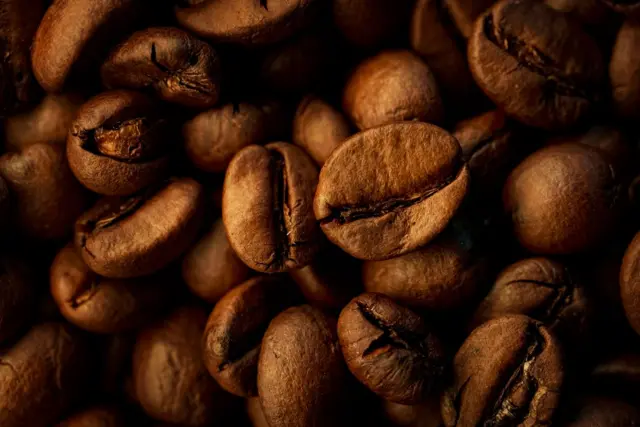
Historical accounts suggest say, na Sufis for Yemen be di first to roast coffee seeds, for di 14th Century, creating di tea as we sabi am today.




End of Di one wey oda users dey read well well
By 15th Century, coffeehouses appear across Ottoman Empire, come later spread to Europe wia dem become place of gathering for business, politics and new ideas.
Wia dis foto come from, Getty Images
Some scholars, like Jürgen Habermas, ogbonge German philosopher and sociologist for 20th Century, bin even argue say di Enlightenment for fit no happun witout di influence of coffee.
According to Habermas, coffeehouses become "centres of criticism" during di 17th and 18th Centuries wia dem bin form public opinion and ideas.
Di believe be say di major pipo for di Enlightenment bin also be veri big fans of di drink.
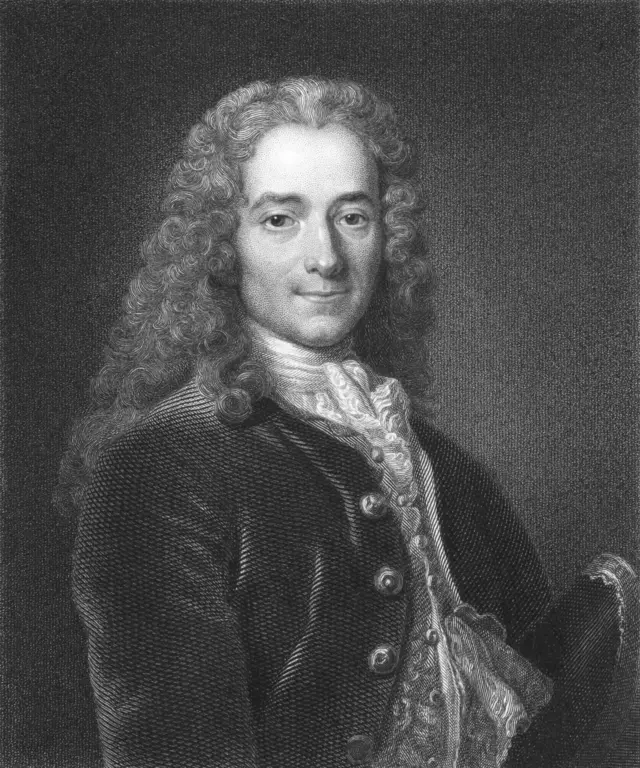
French philosopher, Voltaire, bin dey drink up to 72 cups of coffee a day while im fellow kontri man Diderot bin rely on am to put togeda im 28-volume "Encyclopédie", wey pipo dey commonly see as di one principle work of di Enlightenment, according to American writer, Michael Pollan.
Wia dis foto come from, Getty Images
Anthropology professor, Ted Fischer, wey dey direct di Institute for Coffee Studies for Vanderbilt University, United States, say coffee bin also also play important role for di rise of capitalism.
Im tell BBC: "Coffee change history and encourage di development of ideas wey lead to Enlightenment and capitalism.
"E no be like say na just by accident to me say ideas about democracy, rationality, empiricism, science and capitalism come wen im consumption become popular. Dis substance, wey dey expand perception and concentration, bin definitely be part of di context wey lead to capitalism."
Dat time, businessmen realise say dem fit to use coffee to improve productivity, Fischer add, so dem begin dash dia workers coffee and eventually allow dem go for coffee breaks.
Coffee dark side
Coffee history still get im dark side as dem bin use am take exploit slaves.
Di French bin use slaves from Africa for dia plantations wey bin dey Haiti and by di early 1800s Brazil bin use African slaves produce one third of di world coffee using African slaves.
Today, coffee na cornerstone of culture for many parts of di world, and dem dey drink more dan two billion cups daily, contributing to di $90bn a year industry.
Even so, "notin much don change" inside 600 years, according to NGO Heifer International wey dey work to eradicate poverty and hunger around di world.
E say coloured pipo na dem still be di backbone of di coffee industry, and dem dey do di work for tachere moni.
Across 50 kontris, 125 million pipo dey depend on coffee for livelihoods, and more dan half of dem dey live in poverty.
How coffee dey take affect bodi?
Once pesin drink caffeine, e go travel through im digestive system and di bloodstream go absorb am through di intestine.
But, e no get any effect until e reach di nervous system.
Dis na due to one caffeine chemical wey similar to adenosine, chemical wey di bodi dey naturally produce.
Typically, adenosine dey slow down di sympathetic nervous system, and dis go kon reduce di heart rate, causing feelings of drowsiness and relaxation.
Caffeine dey bind to di adenosine receptors wey dey on di surface of nerve cells, like key wey fit into lock.
But by blocking dis receptors, e go produce di opposite effect.
E fit cause small increase in blood pressure, stimulate brain activity, reduce feelings of hunger and promote alertness, thereby improving concentration for longer periods.

Wia dis foto come from, Getty Images
Caffeine influence also extend to boost mood, reduce tiredness, and improve physical performance and athletes dey use am sometimes as supplement.
Im effect fit last between 15 minutes and two hours. Di body dey remove caffeine five to 10 hours afta pesin drink am, but im effects fit last longer.
To maximize caffeine benefits, experts advise say e beta to drink am small small and to avoid am patapata for afternoon to preserve im effect wen you drink di first cup of coffee di next morning.
Guidelines suggest say daily caffeine limit for healthy adult na 400 milligrams, equivalent to about four or five cups of coffee.
While individual tolerance level dey different levels, exceeding dis limit fit lead to side effects like sleeplessness, anxiety, tachycardia, stomach ache, nausea and headache.
Experts from America Food and Drugs Administration also warn of toxic effects, like seizures, wey fit occur if you drink up to 1,200 milligrams of caffeine – about 12 cups of coffee – too fast.
But if you drink am moderately, di believe be say, coffee fit give some kain potential health benefits and e dey associated to reduced risk of death and several diseases, according to Dr Mattias Henn from Harvard T.H. Chan School of Public Health.
Im tell BBC: "Drinking between two and five cups a day dey related to reduced risk of death, but also of diabetes, cardiovascular diseases and even some types of cancer."
So next time you pick up coffee, you fit wan tink about all di history wey dey inside making it.
Additional reporting by Luis Barrucho