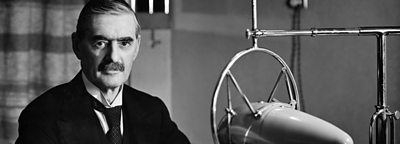
The news that Britain was at war was broken by Prime Minister Neville Chamberlain at 11.15am on Sunday 3 September 1939. In a 5 minute broadcast on the Home Service, he announced that as Hitler had failed to respond to British demands to leave Poland, "This country is at war with Germany". Chamberlain went on to say that the failure to avert war was a bitter personal blow, and that he didn't think he could have done any more.
Following the Prime Minister's speech there were a series of announcements. All places of entertainment were to close with immediate effect, and people were discouraged from crowding together, unless it was to attend church. Details of the air raid warning were also given and it was emphasised that tube stations were not to be used as shelters.
In London the air raid sirens sounded only 8 minutes later, and - although most BBC staff had been evacuated in preparation for hostilities - many of those remaining, including commentator John Snagge, donned tin helmets and rushed to the roof of Broadcasting House to watch the bombs falling. It was a false alarm.
World War 2 and the BBC
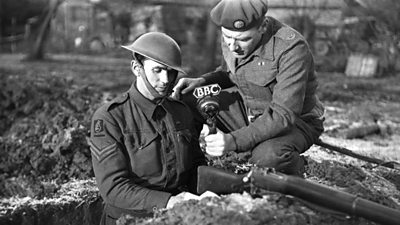
The BBC at War
The BBC reinvented itself during World War 2 and public perception of the institution changed dramatically. Explore its expansion into a global media network, the changing nature of its programming, and the way that war re-defined its relationship with both government and audiences.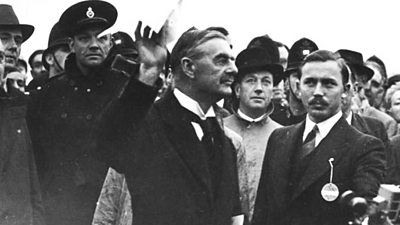
Chamberlain returns from Munich - 30 September 1938
Prime Minister Neville Chamberlain returns with a paper signed by Adolf Hitler.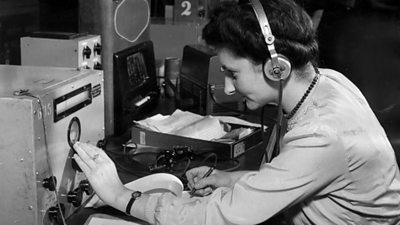
BBC Monitoring founded - 26 August 1939
As part of the intelligence war effort, BBC Monitoring gathered and interpreted international news from across the World.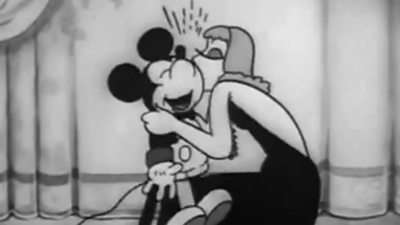
Close down of Television service for the duration of the War - 1 September 1939
Mickey Mouse is the last star seen on BBC Television for six years as the TV service is shut down for the duration of WW2.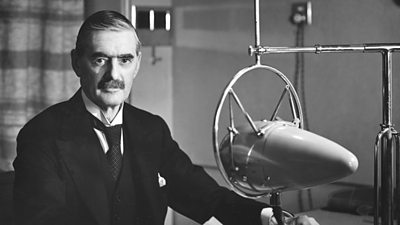
Chamberlain announces Britain is at war with Germany - 3 September 1939
"I have to tell you now that no such undertaking has been received, and that consequently this country is at war with Germany."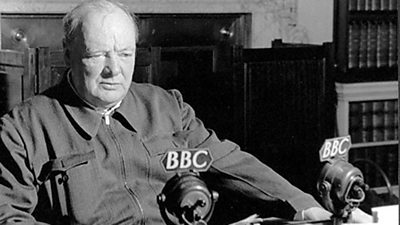
Winston Churchill's first wartime broadcast - 1 October 1939
Churchill delivers the first of many broadcasts which define the collective memory of WW2.
De Gaulle's first broadcast to France - 18 June 1940
General Charles de Gaulle broadcast to German occupied France, and rallied the French Resistance to him in London.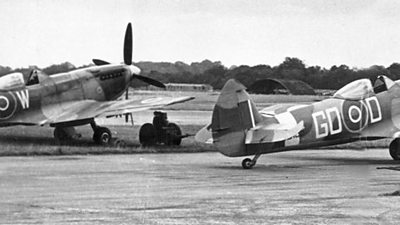
The Battle of Britain - Summer 1940
The BBC reports on the battle taking place in the skies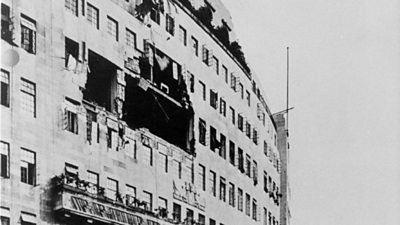
Bombing of Broadcasting House - 15 October 1940
A bomb lands on the BBC's headquarters, killing 4 men and 3 women.
The Queen’s Hall destroyed by bombing - 10 May 1941
The Proms loses its home, but rises from the ashes at the Albert Hall.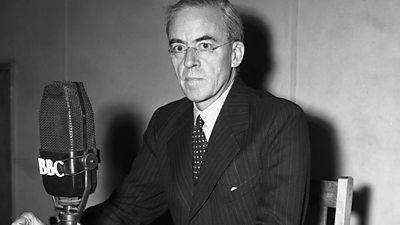
London Calling Europe began - 6 July 1941
London Calling Europe was one of many programmes broadcast by the BBC to occupied Europe.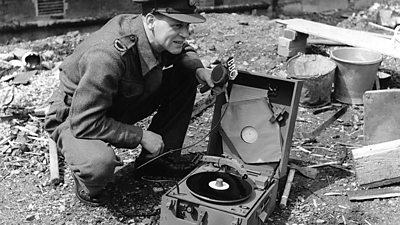
D-Day broadcasts - 6 June 1944
John Snagge announces that "D-Day has come..." as the Allies land on the beaches in Normandy.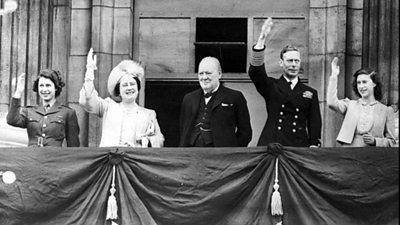
VE Day broadcasts - 8 May 1945
Winston Churchill announced the end of the War in Europe with a speech broadcast from Downing St, but the war in the Far East continues.


September anniversaries
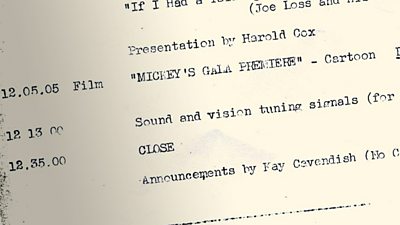
Close down of Television service for the duration of the War
1 September 1939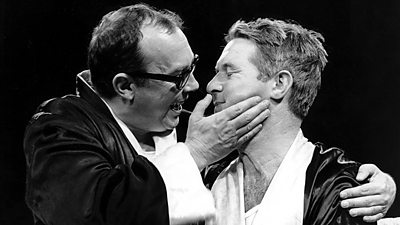
The Morecambe and Wise Show
2 September 1968Chamberlain announces Britain is at war with Germany
3 September 1939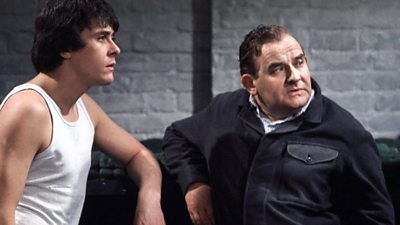
Start of first series of Porridge
5 September 1974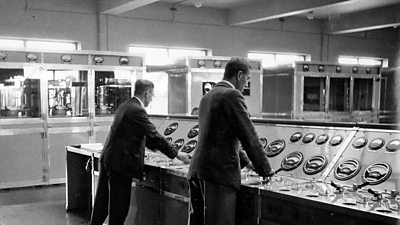
Droitwich transmitter becomes operational
6 September 1934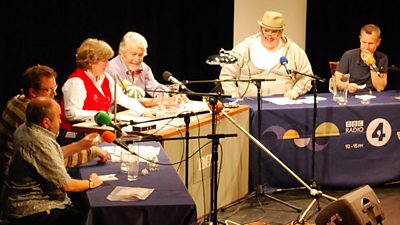
The News Quiz
6 September 1977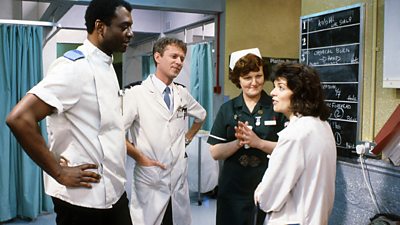
Casualty
6 September 1986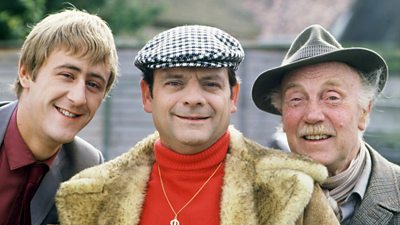
Only Fools and Horses
8 September 1981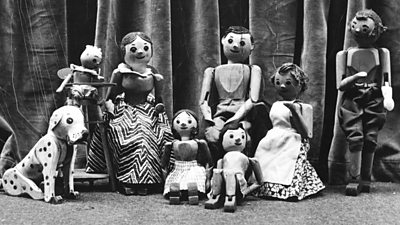
The Woodentops
9 September 1955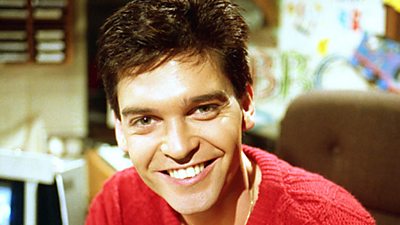
First live Children's BBC from 'the Broom Cupboard'
9 September 1985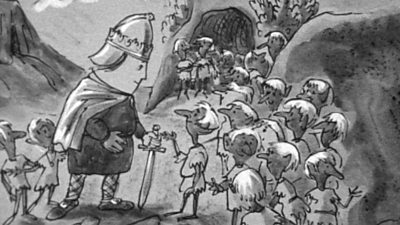
The Saga of Noggin the Nog first transmitted
11 September 1959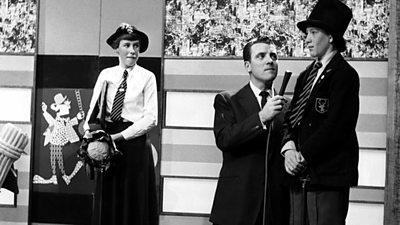
Crackerjack
14 September 1955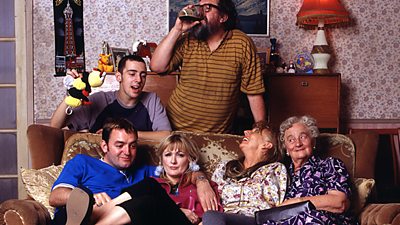
The Royle Family
14 September 1998
Opening of BBC Bristol
18 September 1934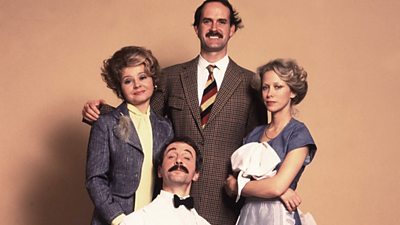
First episode of Fawlty Towers
19 September 1975
First episode of I, Claudius
20 September 1976
The Old Grey Whistle Test
21 September 1971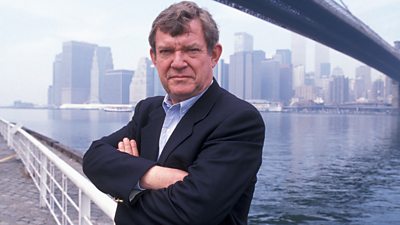
The Shock of the New
21 September 1980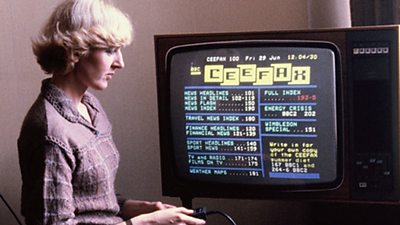
CEEFAX: world's first teletext service
23 September 1974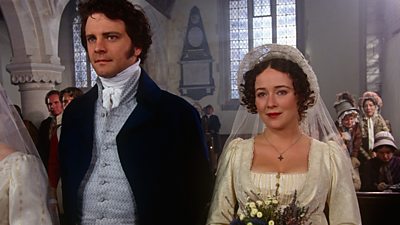
Pride and Prejudice
24 September 1995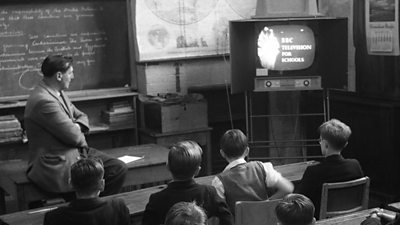
BBC Television for Schools begins
24 September 1957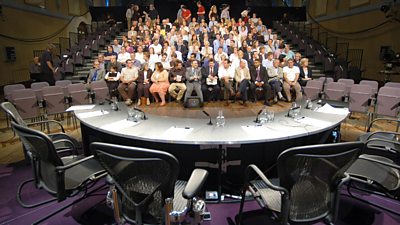
Question Time
25 September 1979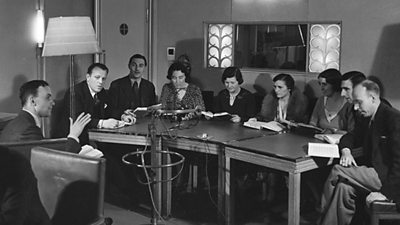
The Epilogue
26 September 1926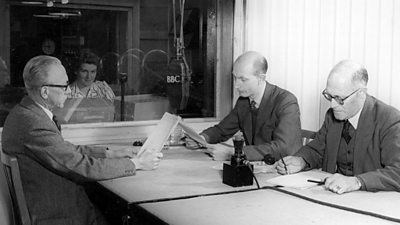
Start of BBC European Service, News in French, German and Italian
27 September 1938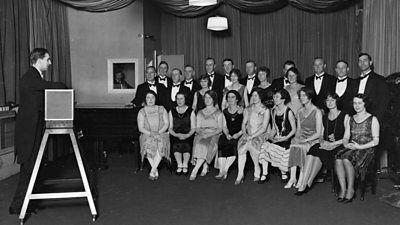
BBC Singers
28 September 1924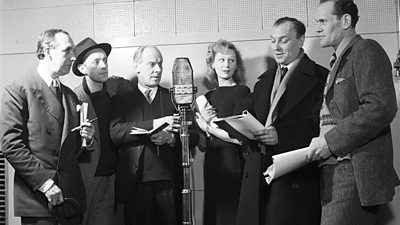
The beginning of The Third Programme
29 September 1946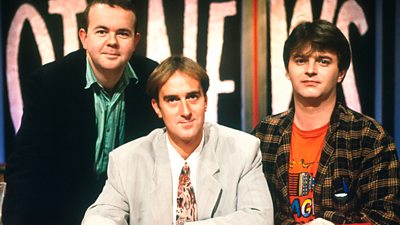
Have I Got News For You
28 September 1990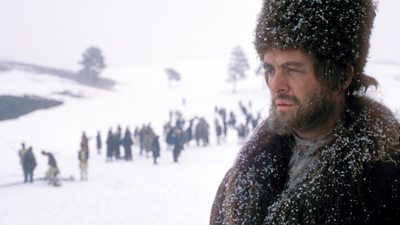
War and Peace
28 September 1972
First episode of Come Dancing
29 September 1950
Start of Radios 1, 2, 3 and 4
30 September 1967Chamberlain returns from Munich
30 September 1938


