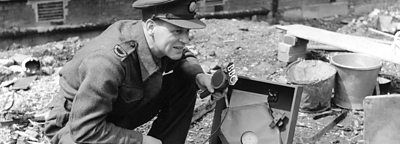
Picture shows C.D Adamson, engineer correspondent of the BBC War Reporting Unit, with a midget Recorder of the type used in Normandy.
When Operation Overlord – to reclaim mainland Europe from the Nazis - began with the Normandy Landings on 6 June 1944, BBC news reporters were in at the start, reporting from the frontline. The news broke at home with the 8.00am bulletin, when Freddy Allen reported that paratroops had landed in France. Any doubt that D-Day had come vanished with the newsflash just after 9.30, when John Snagge introduced General Eisenhower’s announcement.
The BBC set up a War Reporting Unit to cover the allied invasion. Seventeen reporters were embedded with the initial British and US invading forces. For Guy Byam this meant jumping with the 6th Airborne Division. For Howard Marshall it involved wading ashore from his landing craft, which had hit a mine.
They were aided by the portable “Midget” recorder which - though a cumbersome 18kg - was able to capture sound in the field as never before. The results were heard on the pioneering news special War Report, which began that night. It carried vivid accounts of the conflict, including one from Marshall.
Two BBC correspondents were among the many casualties of the invasion. Kent Stevenson died reporting on a raid over Germany two weeks after D-Day, and Guy Byam was killed in a raid over Berlin early in 1945. War Report continued nightly as the Allies pushed into Europe, ending after 235 editions.
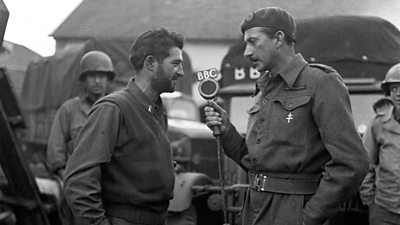
D-Day and War Report
The events which followed the declaration that D-Day had come, and the men who broadcast from the front line. From the series of articles "The BBC at War".
World War 2 and the BBC
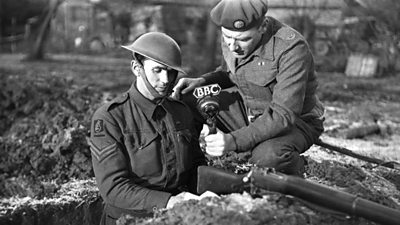
The BBC at War
The BBC reinvented itself during World War 2 and public perception of the institution changed dramatically. Explore its expansion into a global media network, the changing nature of its programming, and the way that war re-defined its relationship with both government and audiences.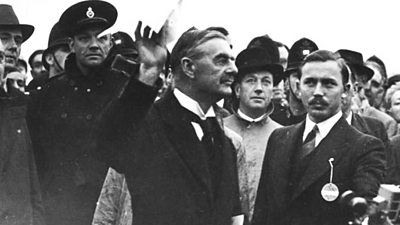
Chamberlain returns from Munich - 30 September 1938
Prime Minister Neville Chamberlain returns with a paper signed by Adolf Hitler.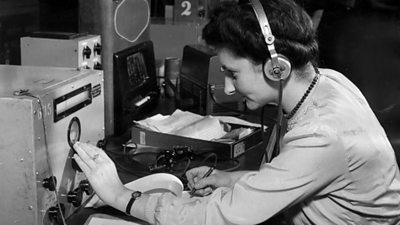
BBC Monitoring founded - 26 August 1939
As part of the intelligence war effort, BBC Monitoring gathered and interpreted international news from across the World.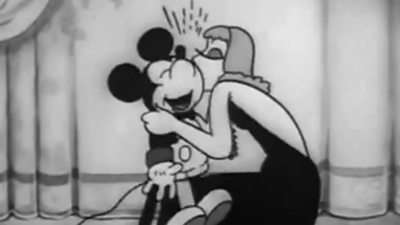
Close down of Television service for the duration of the War - 1 September 1939
Mickey Mouse is the last star seen on BBC Television for six years as the TV service is shut down for the duration of WW2.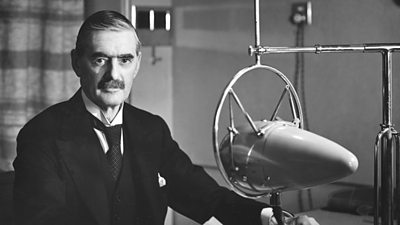
Chamberlain announces Britain is at war with Germany - 3 September 1939
"I have to tell you now that no such undertaking has been received, and that consequently this country is at war with Germany."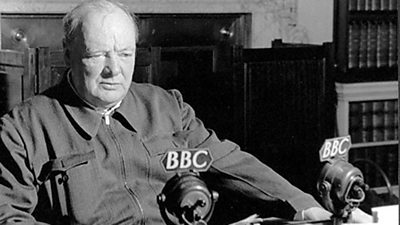
Winston Churchill's first wartime broadcast - 1 October 1939
Churchill delivers the first of many broadcasts which define the collective memory of WW2.
De Gaulle's first broadcast to France - 18 June 1940
General Charles de Gaulle broadcast to German occupied France, and rallied the French Resistance to him in London.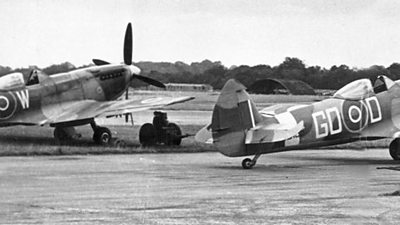
The Battle of Britain - Summer 1940
The BBC reports on the battle taking place in the skies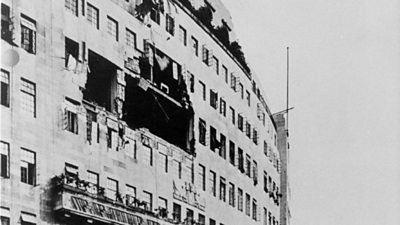
Bombing of Broadcasting House - 15 October 1940
A bomb lands on the BBC's headquarters, killing 4 men and 3 women.
The Queen’s Hall destroyed by bombing - 10 May 1941
The Proms loses its home, but rises from the ashes at the Albert Hall.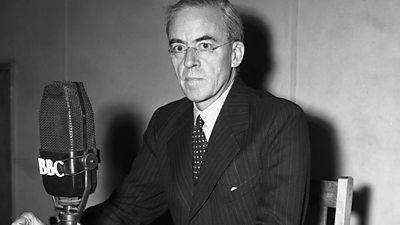
London Calling Europe began - 6 July 1941
London Calling Europe was one of many programmes broadcast by the BBC to occupied Europe.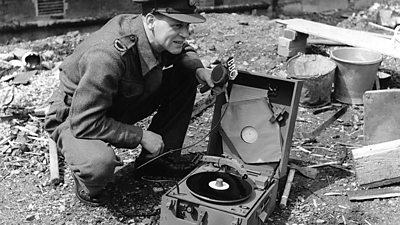
D-Day broadcasts - 6 June 1944
John Snagge announces that "D-Day has come..." as the Allies land on the beaches in Normandy.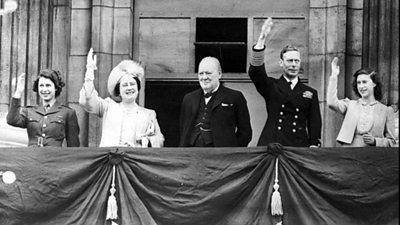
VE Day broadcasts - 8 May 1945
Winston Churchill announced the end of the War in Europe with a speech broadcast from Downing St, but the war in the Far East continues.


June anniversaries
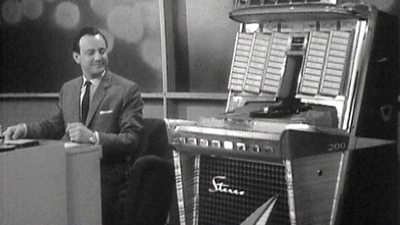
Juke Box Jury
1 June 1959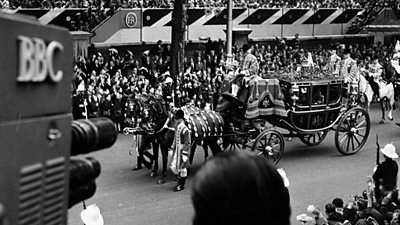
The Coronation of Queen Elizabeth II
2 June 1953
Mock the Week
5 June 2005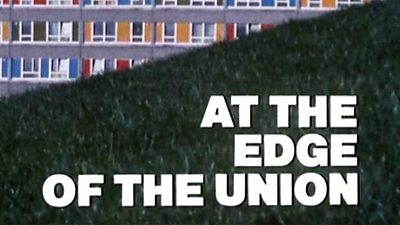
Real Lives
5 June 1984D-Day broadcasts
6 June 1944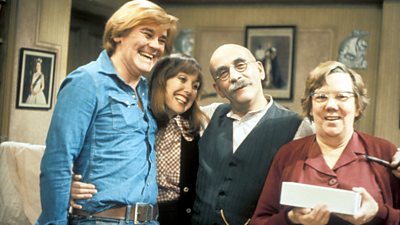
Till Death Us Do Part
6 June 1966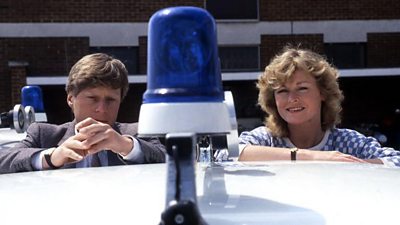
First broadcast of Crimewatch UK
7 June 1984
Steptoe and Son
7 June 1962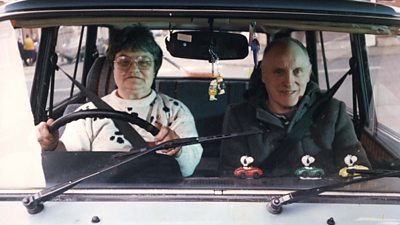
Driving School
10 June 1997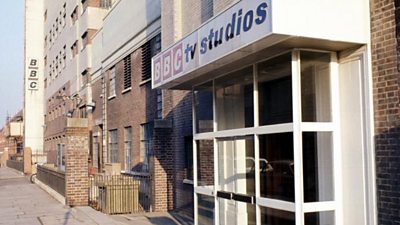
Last programme from Lime Grove Studios
13 June 1991
The Basil Brush Show
14 June 1968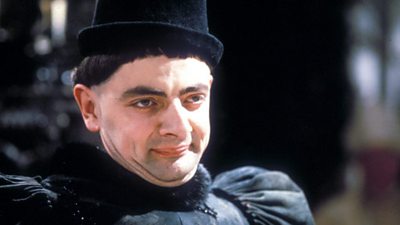
Blackadder
15 June 1983
Yesterday's Men
17 June 1971De Gaulle's first broadcast to France
18 June 1940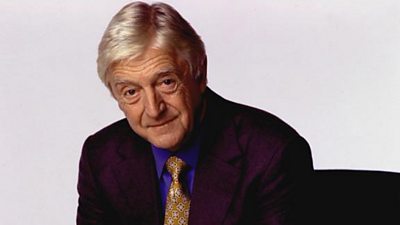
Parkinson first broadcast
19 June 1971
First female newsreader in vision
20 June 1960
Wimbledon first televised
21 June 1937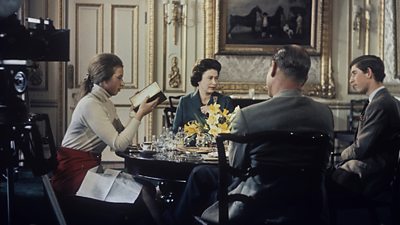
Royal Family first transmitted
21 June 1969
Music While You Work
23 June 1940
Our World
25 June 1967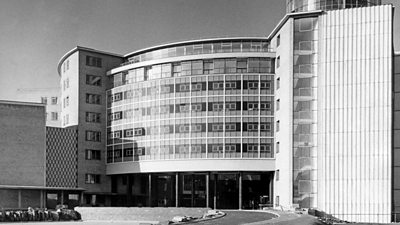
Opening of Television Centre
29 June 1960


