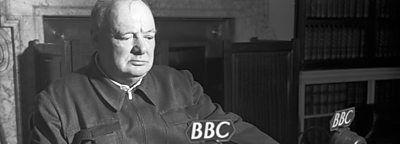
On 1 October 1939 Winston Churchill gave his first wartime broadcast, on the recently created BBC Home Service. Churchill, the First Lord of the Admiralty, delivered his assessment of the first month of hostilities. He did not like the BBC - which had defied the government to carry statements from strike leaders during the 1926 general Strike - and had only broadcast infrequently before the war. However, he understood the power radio gave him to speak to the nation.
The speech is not as famous as the ones Churchill delivered as Prime Minister during the summer of 1940, but did contain his opinion of Russian intentions as “a riddle wrapped in a mystery inside an enigma”. Churchill spoke of the defence and fall of Poland against the onslaught of Germany and Russia.
He suggested that Russia’s natural interests would not coincide with those of Germany. He also asserted that the Germans were not winning the U-boat war, despite initial success. Churchill said the nation should prepare for a long conflict of 3 years and ended by likening the struggle against Nazism to the American Civil War fight against slavery.
It is hard to quantify the significance of Churchill’s wartime speeches in bolstering national morale during the long years of the war. But more than half the adult population tuned in to them and the nation came to a virtual standstill as utility companies reported a fall in demand while he was on air.
World War 2 and the BBC
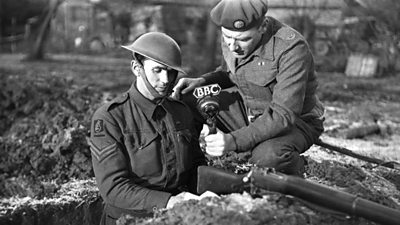
The BBC at War
The BBC reinvented itself during World War 2 and public perception of the institution changed dramatically. Explore its expansion into a global media network, the changing nature of its programming, and the way that war re-defined its relationship with both government and audiences.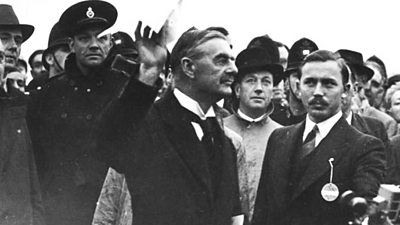
Chamberlain returns from Munich - 30 September 1938
Prime Minister Neville Chamberlain returns with a paper signed by Adolf Hitler.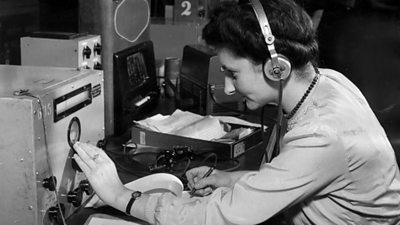
BBC Monitoring founded - 26 August 1939
As part of the intelligence war effort, BBC Monitoring gathered and interpreted international news from across the World.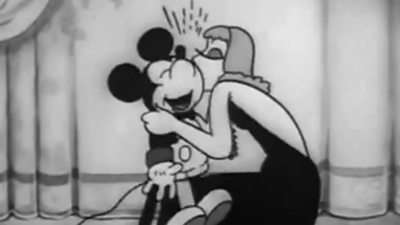
Close down of Television service for the duration of the War - 1 September 1939
Mickey Mouse is the last star seen on BBC Television for six years as the TV service is shut down for the duration of WW2.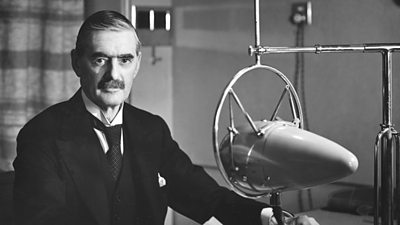
Chamberlain announces Britain is at war with Germany - 3 September 1939
"I have to tell you now that no such undertaking has been received, and that consequently this country is at war with Germany."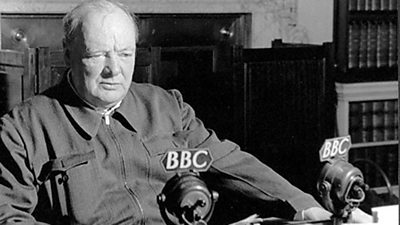
Winston Churchill's first wartime broadcast - 1 October 1939
Churchill delivers the first of many broadcasts which define the collective memory of WW2.
De Gaulle's first broadcast to France - 18 June 1940
General Charles de Gaulle broadcast to German occupied France, and rallied the French Resistance to him in London.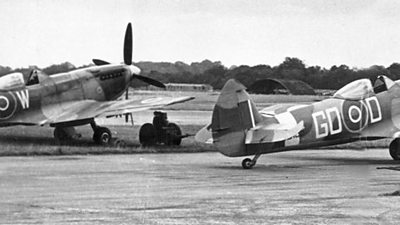
The Battle of Britain - Summer 1940
The BBC reports on the battle taking place in the skies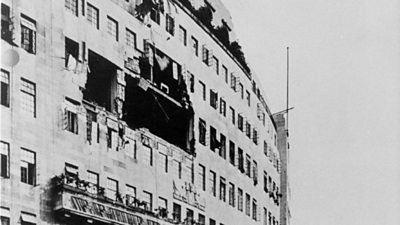
Bombing of Broadcasting House - 15 October 1940
A bomb lands on the BBC's headquarters, killing 4 men and 3 women.
The Queen’s Hall destroyed by bombing - 10 May 1941
The Proms loses its home, but rises from the ashes at the Albert Hall.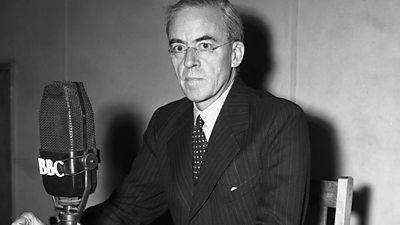
London Calling Europe began - 6 July 1941
London Calling Europe was one of many programmes broadcast by the BBC to occupied Europe.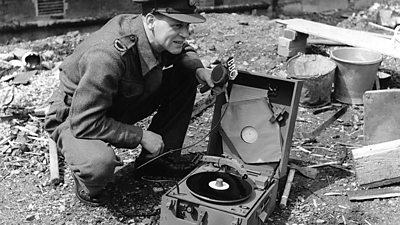
D-Day broadcasts - 6 June 1944
John Snagge announces that "D-Day has come..." as the Allies land on the beaches in Normandy.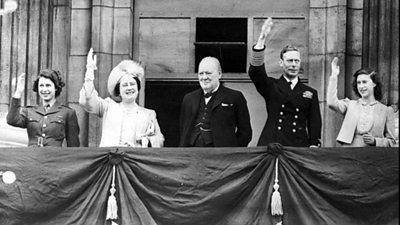
VE Day broadcasts - 8 May 1945
Winston Churchill announced the end of the War in Europe with a speech broadcast from Downing St, but the war in the Far East continues.


October anniversaries
Winston Churchill's first wartime broadcast
1 October 1939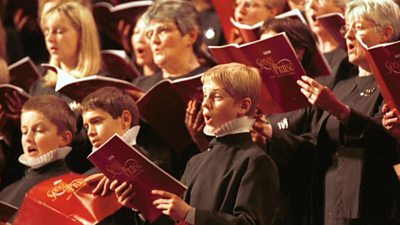
Songs of Praise
1 October 1961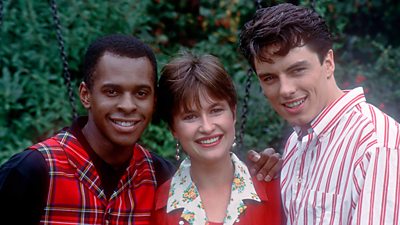
Live and Kicking
2 October 1993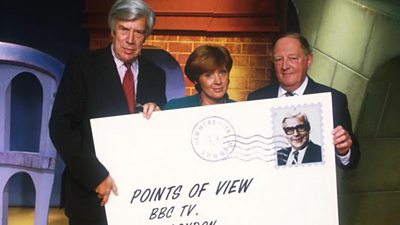
Points of View
2 October 1961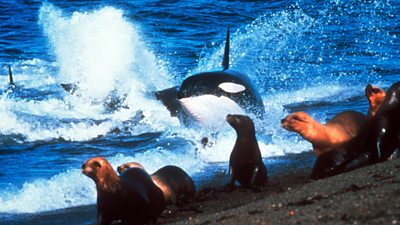
The Trials of Life
3 October 1990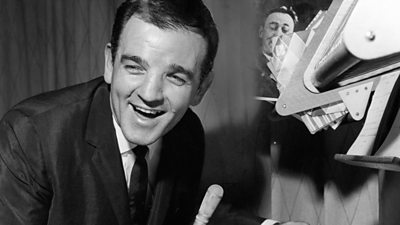
Pick of the Pops
4 October 1955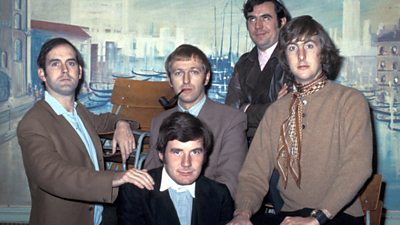
Monty Python's Flying Circus
5 October 1969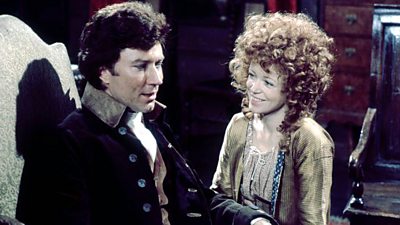
Poldark
5 October 1975
You and Yours
6 October 1970
Woman's Hour
7 October 1946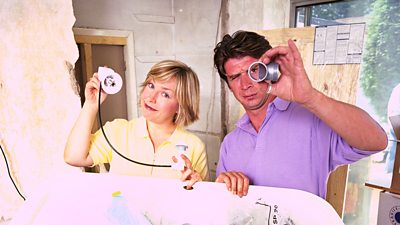
DIY SOS
7 October 1999
Later... with Jools Holland
8 October 1992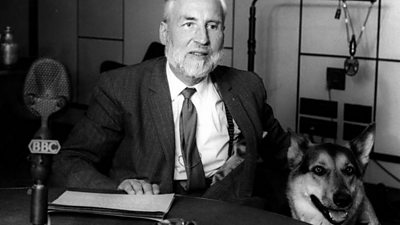
In Touch
8 October 1961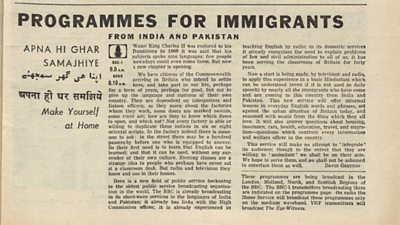
Make Yourself At Home - Programmes for Immigrants
10 October 1965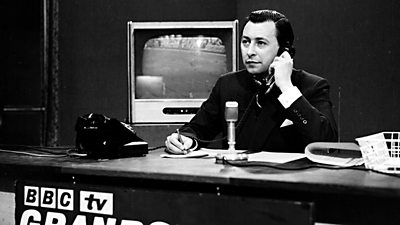
Grandstand
11 October 1958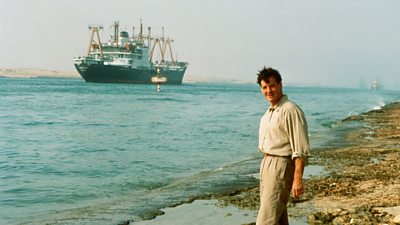
Around the World in 80 Days
11 October 1989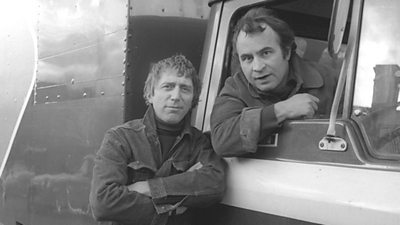
On The Move
12 October 1975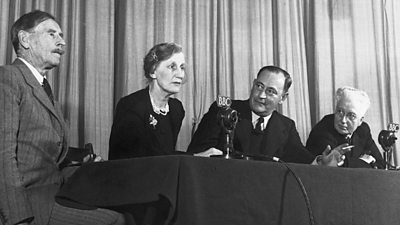
First edition of Any Questions
12 October 1948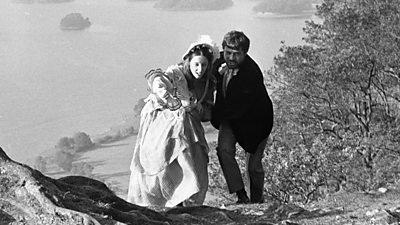
First edition of Omnibus
13 October 1967Bombing of Broadcasting House
15 October 1940
Play For Today
15 October 1970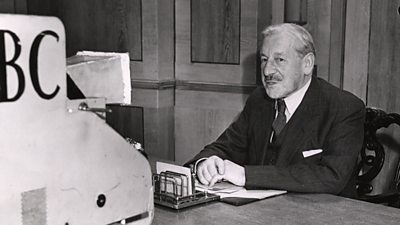
First televised Party Election Broadcast
15 October 1951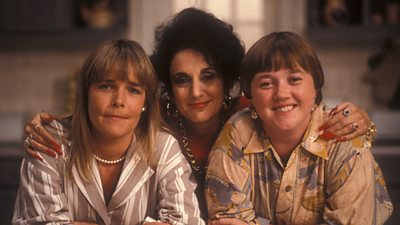
Birds of a Feather
16 October 1989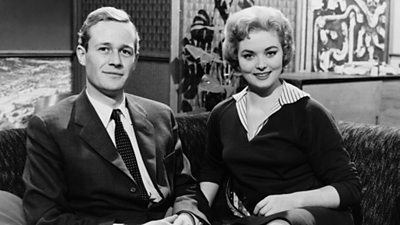
Blue Peter first broadcast
16 October 1958
The Magic Roundabout
18 October 1965
The formation of the BBC
18 October 1922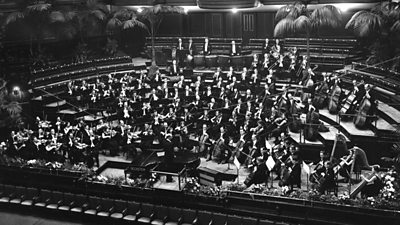
BBC Symphony Orchestra first broadcast
22 October 1930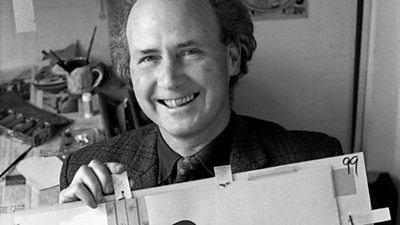
Captain Pugwash
22 October 1957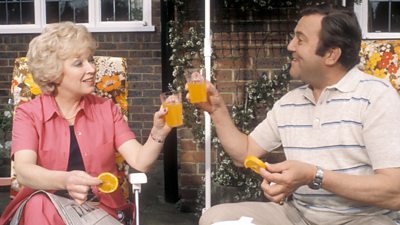
Terry and June
24 October 1979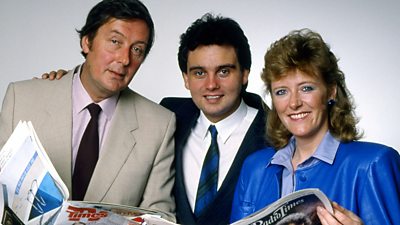
Launch of daytime television
27 October 1986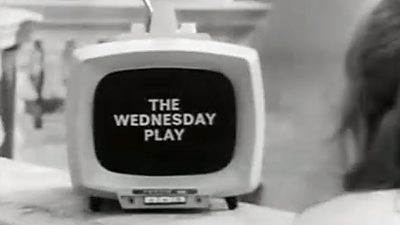
The Wednesday Play first broadcast
28 October 1964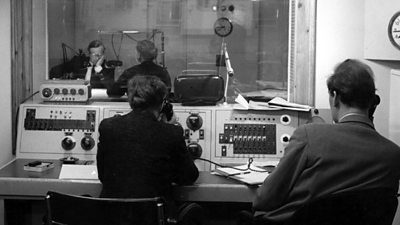
First edition of Today
28 October 1957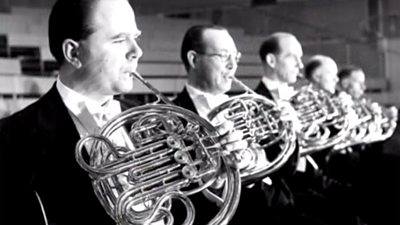
Maida Vale opens
30 October 1934


