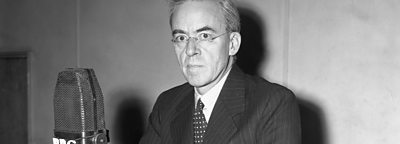
Image: The Rt Hon Sir Stafford Cripps broadcasting in London Calling Europe.
London Calling Europe was first broadcast on 6 July 1941. The English language broadcasts were part of the radio propaganda and information war directed towards occupied Europe. English was widely understood on the mainland and by broadcasting to a wide area it was hoped to evade some of the jamming that plagued the many BBC language services. The service was set up by the Director of European Broadcasts, NF Newsome, who broadcast himself, as 'The Man in the Street'.
London Calling Europe always began with the familiar announcement "this is London calling", which was followed by the stirring 'Trumpet Voluntary' by Purcell. The opening bars of Beethoven's Fifth Symphony were used as linking music – tying in with the V for Victory passive resistance campaign.
As 'The Man in the Street', Newsome attempted to give a sense of what ordinary British citizens were thinking. Talks that could not find space on the individual language services often found their way into London Calling Europe.
London Calling Europe was one of many programmes broadcast by the BBC to occupied Europe. After the end of the war listeners in the occupied areas testified to the role the BBC played in providing accurate information and keeping up morale, in thousands of letters sent to Bush House.
World War 2 and the BBC
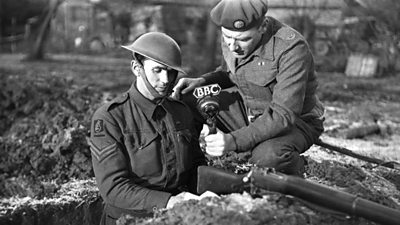
The BBC at War
The BBC reinvented itself during World War 2 and public perception of the institution changed dramatically. Explore its expansion into a global media network, the changing nature of its programming, and the way that war re-defined its relationship with both government and audiences.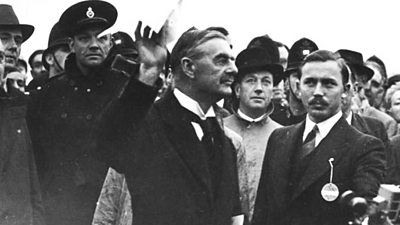
Chamberlain returns from Munich - 30 September 1938
Prime Minister Neville Chamberlain returns with a paper signed by Adolf Hitler.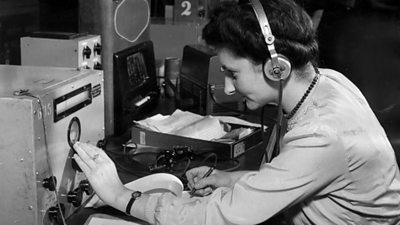
BBC Monitoring founded - 26 August 1939
As part of the intelligence war effort, BBC Monitoring gathered and interpreted international news from across the World.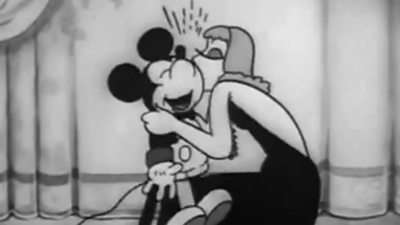
Close down of Television service for the duration of the War - 1 September 1939
Mickey Mouse is the last star seen on BBC Television for six years as the TV service is shut down for the duration of WW2.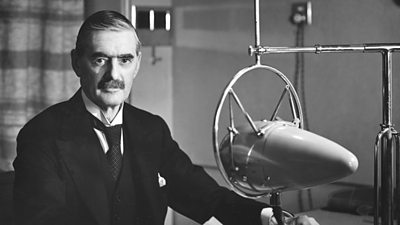
Chamberlain announces Britain is at war with Germany - 3 September 1939
"I have to tell you now that no such undertaking has been received, and that consequently this country is at war with Germany."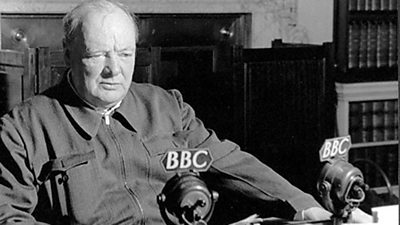
Winston Churchill's first wartime broadcast - 1 October 1939
Churchill delivers the first of many broadcasts which define the collective memory of WW2.
De Gaulle's first broadcast to France - 18 June 1940
General Charles de Gaulle broadcast to German occupied France, and rallied the French Resistance to him in London.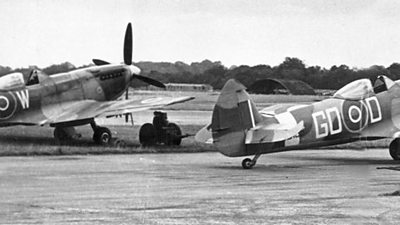
The Battle of Britain - Summer 1940
The BBC reports on the battle taking place in the skies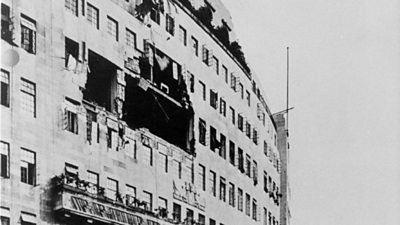
Bombing of Broadcasting House - 15 October 1940
A bomb lands on the BBC's headquarters, killing 4 men and 3 women.
The Queen’s Hall destroyed by bombing - 10 May 1941
The Proms loses its home, but rises from the ashes at the Albert Hall.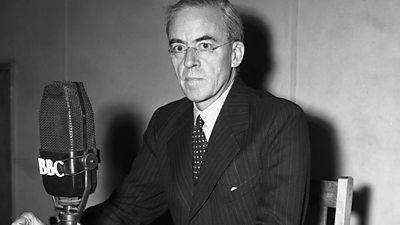
London Calling Europe began - 6 July 1941
London Calling Europe was one of many programmes broadcast by the BBC to occupied Europe.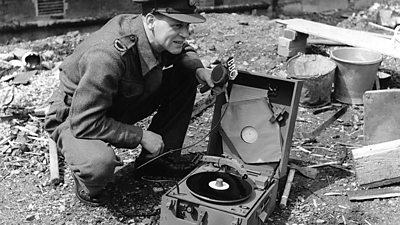
D-Day broadcasts - 6 June 1944
John Snagge announces that "D-Day has come..." as the Allies land on the beaches in Normandy.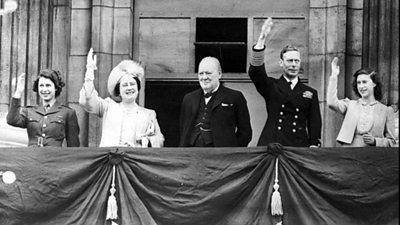
VE Day broadcasts - 8 May 1945
Winston Churchill announced the end of the War in Europe with a speech broadcast from Downing St, but the war in the Far East continues.


July anniversaries
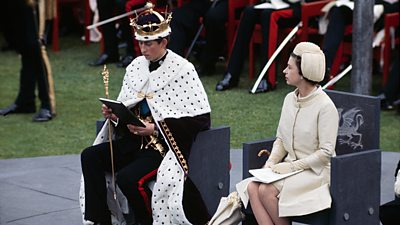
Investiture of the Prince of Wales
1 July 1969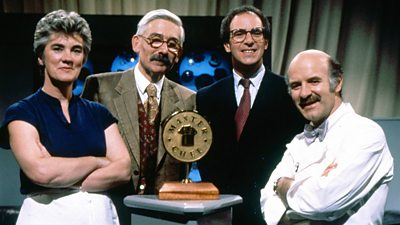
Masterchef
2 July 1990
BBC Television News and Newsreel
5 July 1954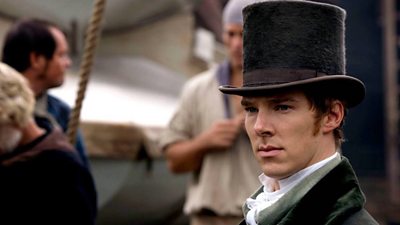
To the Ends of the Earth
6 July 2005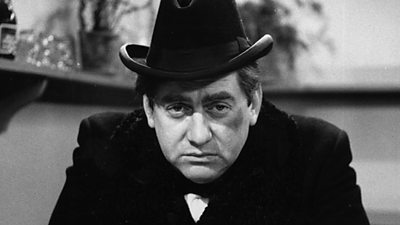
Hancock's Half Hour television show
6 July 1956London Calling Europe began
6 July 1941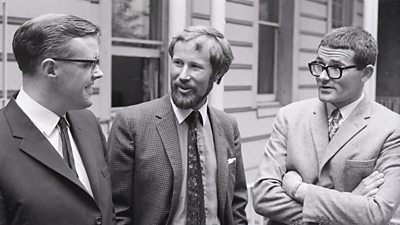
The Old Man of Hoy
8 July 1967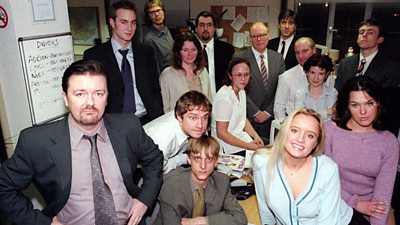
The first episode of The Office
9 July 2001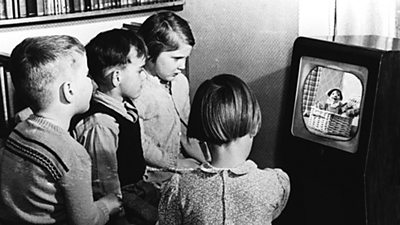
Andy Pandy
11 July 1950
It's That Man Again
12 July 1939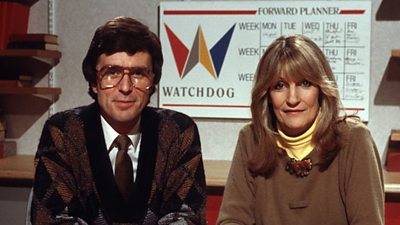
Watchdog
14 July 1985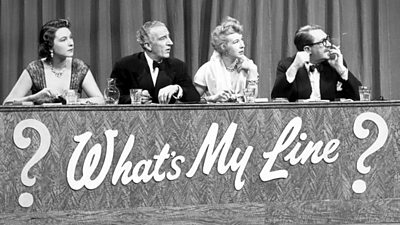
What's My Line
16 July 1951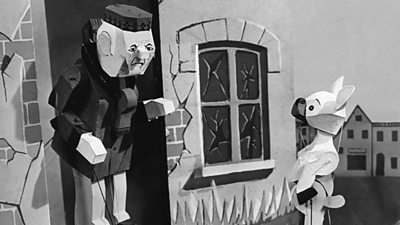
Toytown first transmitted
19 July 1929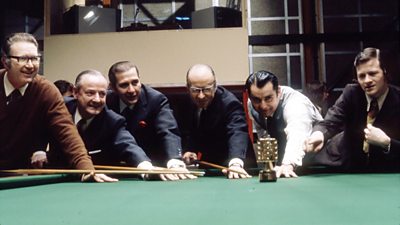
Pot Black first transmitted
23 July 1969
Countryfile first broadcast
24 July 1988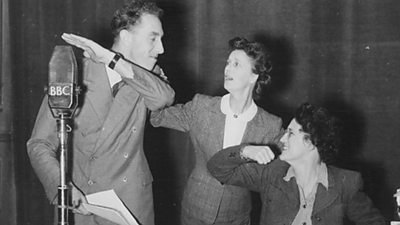
Start of the Light Programme
29 July 1945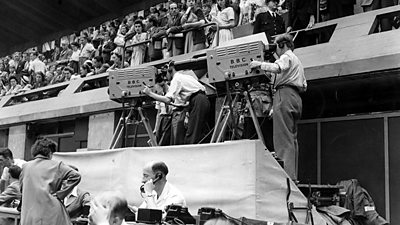
Olympic Games from Wembley first televised
29 July 1948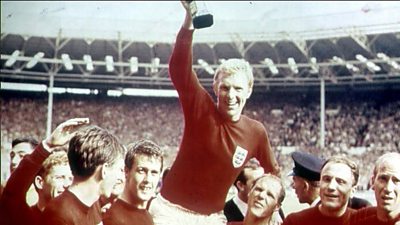
The World Cup Final
30 July 1966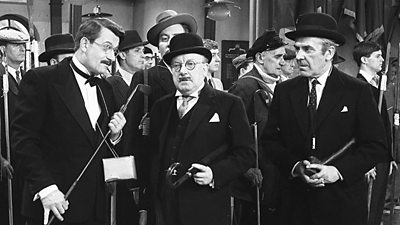
Dad's Army
31 July 1968