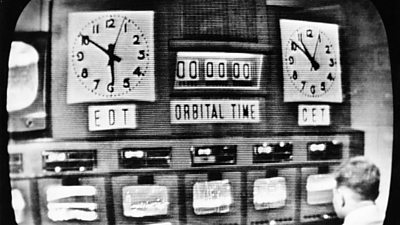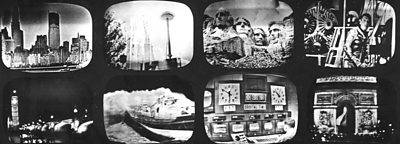
On 11 July 1962 British television viewers saw pictures beamed live from the US via the Telstar satellite. Raymond Baxter and Richard Dimbleby were on hand to provide commentary, although the precise time of the broadcast was not known in advance. The first pictures, received in Britain just after 1am, were of the chairman of AT&T, Frederick Kappel, and of poor quality, while in France they were picked up clearly. However this landmark transmission marked the beginning of satellite broadcasting, and changed the face of telecommunications.
The technical problems of the first night were traced to a component in the Goonhilly Down aerial - specially constructed by the Post Office - that had been fitted the wrong way round. The following day's transatlantic broadcasts were much more successful, and reported to be so clear as to be indistinguishable from ordinary television. Then the first programmes were beamed the other way, from France to America. Later in the month the BBC took the lead in producing a complex outside broadcast from nine European countries to the US.
Other landmarks achieved by Telstar included the first transatlantic colour transmission, from Britain on 16 July. Today satellite technology has made the most remote parts of the world accessible.
July anniversaries
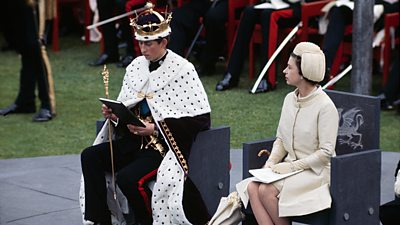
Investiture of the Prince of Wales
1 July 1969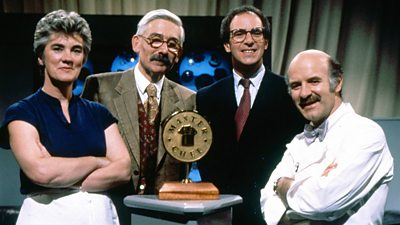
Masterchef
2 July 1990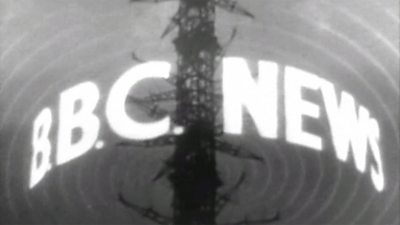
BBC Television News and Newsreel
5 July 1954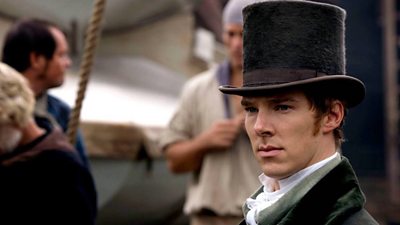
To the Ends of the Earth
6 July 2005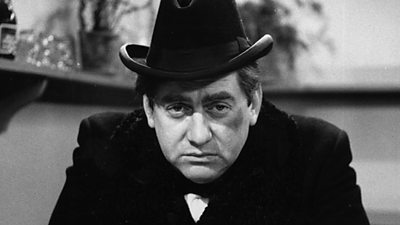
Hancock's Half Hour television show
6 July 1956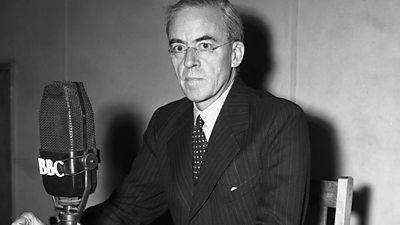
London Calling Europe began
6 July 1941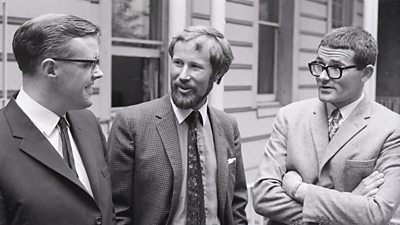
The Old Man of Hoy
8 July 1967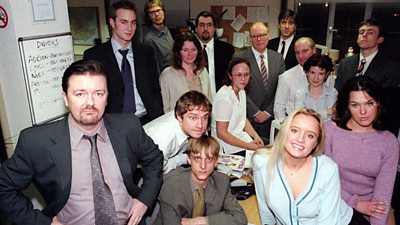
The first episode of The Office
9 July 2001
Andy Pandy
11 July 1950
It's That Man Again
12 July 1939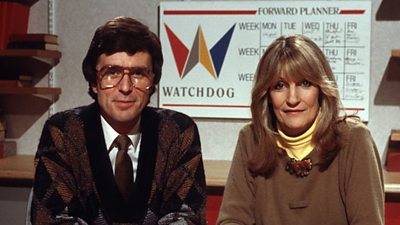
Watchdog
14 July 1985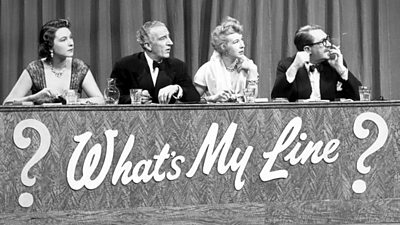
What's My Line
16 July 1951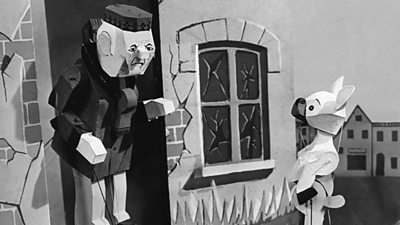
Toytown first transmitted
19 July 1929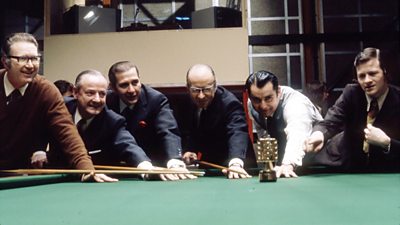
Pot Black first transmitted
23 July 1969
Countryfile first broadcast
24 July 1988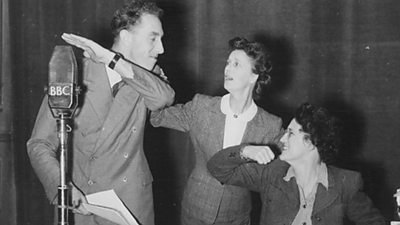
Start of the Light Programme
29 July 1945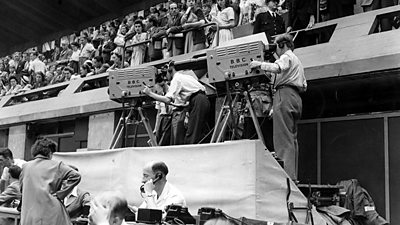
Olympic Games from Wembley first televised
29 July 1948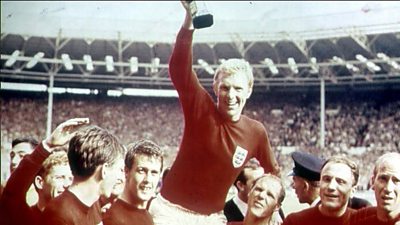
The World Cup Final
30 July 1966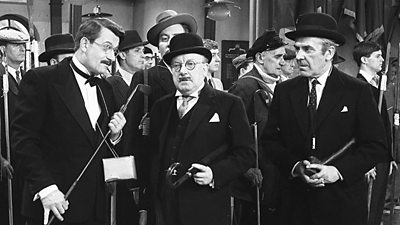
Dad's Army
31 July 1968