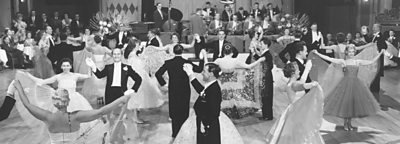
The evening of 29 September 1950 saw the first televised Come Dancing, a live broadcast of the final of the British Formation Dancing Trophy, from the Lyceum Ballroom in London. In later years the programme became known for the commentary on the costumes - typically made by the dancer's mother with sequins sewn on by hand - but at the time it brought a welcome touch of glamour and elegance to a country still suffering in the aftermath of the war.
The format of Come Dancing enlarged on its forerunner, Television Dancing Club, and featured dancers from different regions of the country in couples and formation. The first programme was presented by Peter Dimmock, with Leslie Mitchell as the master of ceremonies. Music was provided by Harry Roy and his band. An illustrious list of presenters over the years included Terry Wogan, Angela Rippon, Judith Chalmers, David Jacobs, and Rosemarie Ford.
Come Dancing ended in 1998. However the success of the film Strictly Ballroom rekindled interest in dance and so, in 2004, Strictly Come Dancing was born. "Strictly" updated the Come Dancing formula, mixing celebrity contestants with professional dancing partners. The programme became an international success, and aided the revitalisation of Saturday evening family viewing.
Dance on BBC Television

Dance on BBC Television
Bob Lockyer on the history of dance on TV
Television Dancing Club
27 January 1948
First episode of Come Dancing
29 September 1950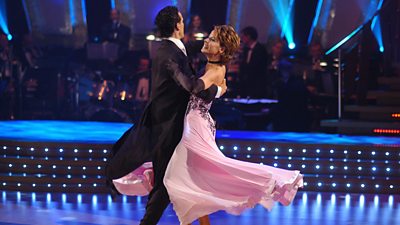
Strictly Come Dancing
15 May 2004


September anniversaries
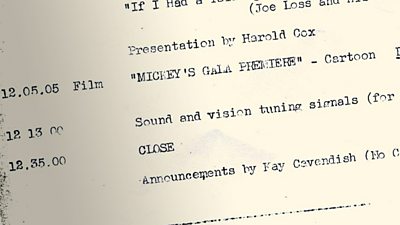
Close down of Television service for the duration of the War
1 September 1939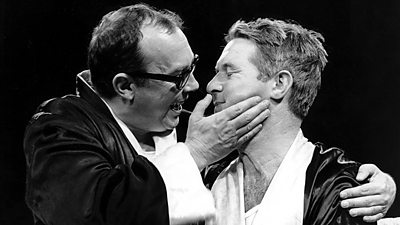
The Morecambe and Wise Show
2 September 1968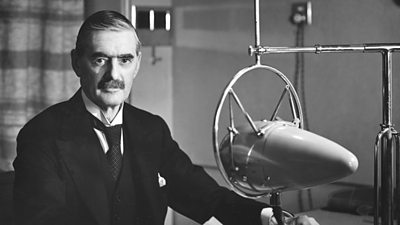
Chamberlain announces Britain is at war with Germany
3 September 1939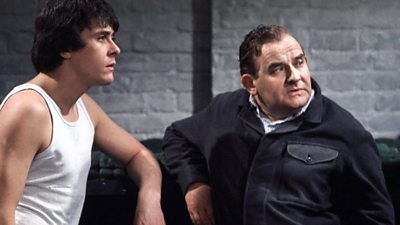
Start of first series of Porridge
5 September 1974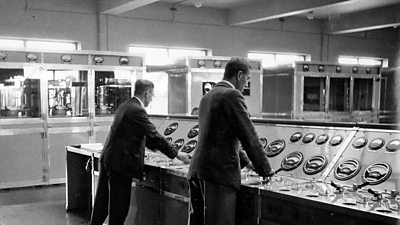
Droitwich transmitter becomes operational
6 September 1934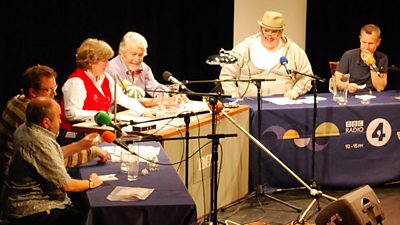
The News Quiz
6 September 1977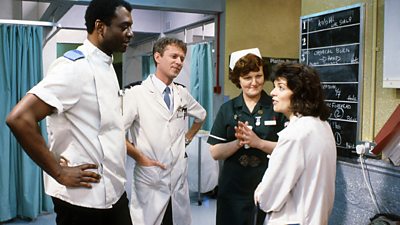
Casualty
6 September 1986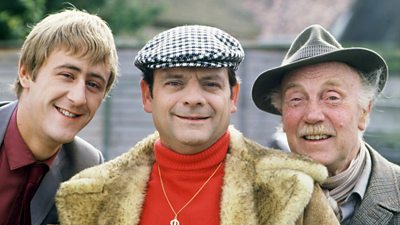
Only Fools and Horses
8 September 1981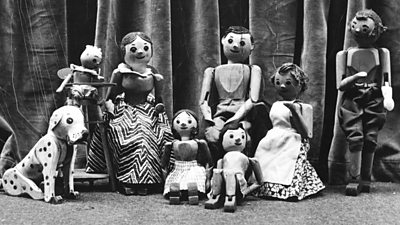
The Woodentops
9 September 1955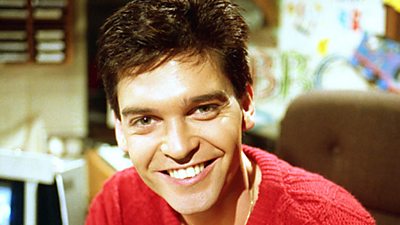
First live Children's BBC from 'the Broom Cupboard'
9 September 1985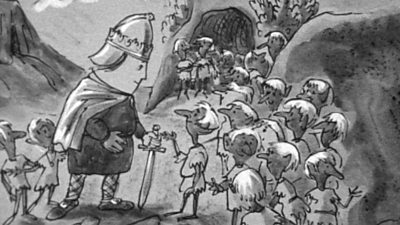
The Saga of Noggin the Nog first transmitted
11 September 1959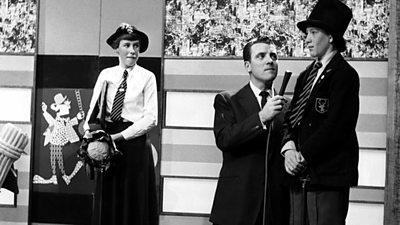
Crackerjack
14 September 1955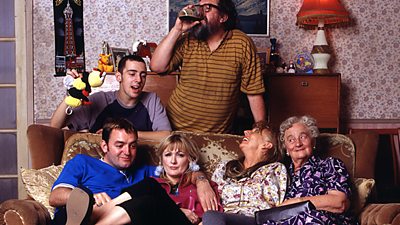
The Royle Family
14 September 1998
Opening of BBC Bristol
18 September 1934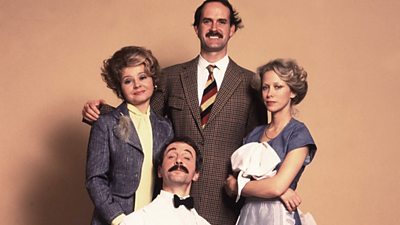
First episode of Fawlty Towers
19 September 1975
First episode of I, Claudius
20 September 1976
The Old Grey Whistle Test
21 September 1971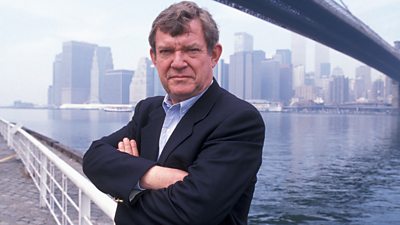
The Shock of the New
21 September 1980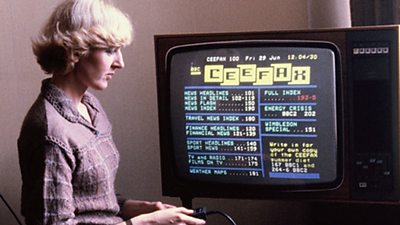
CEEFAX: world's first teletext service
23 September 1974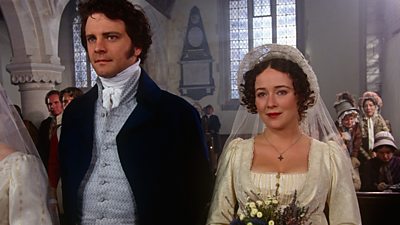
Pride and Prejudice
24 September 1995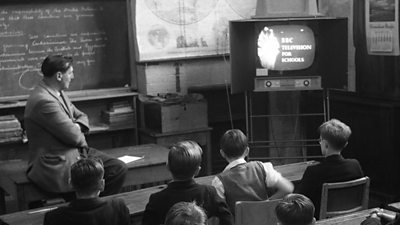
BBC Television for Schools begins
24 September 1957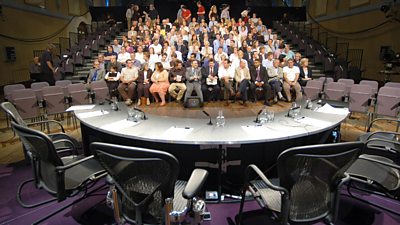
Question Time
25 September 1979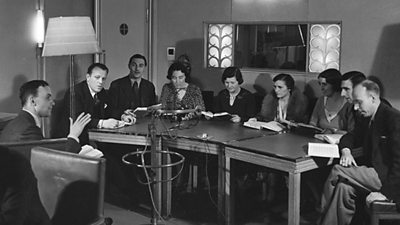
The Epilogue
26 September 1926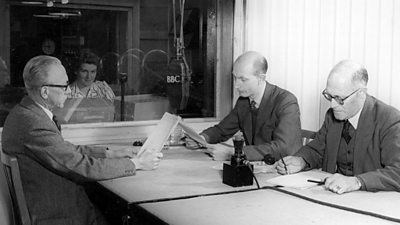
Start of BBC European Service, News in French, German and Italian
27 September 1938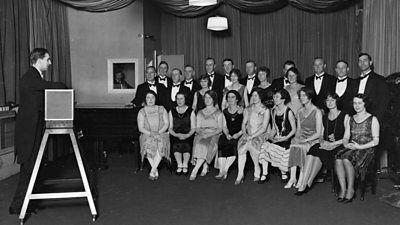
BBC Singers
28 September 1924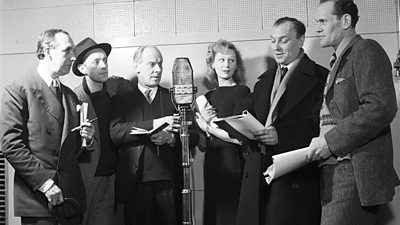
The beginning of The Third Programme
29 September 1946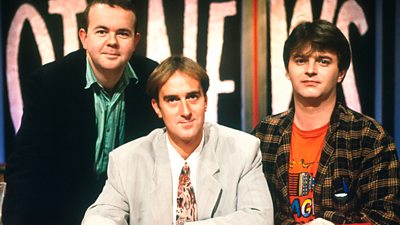
Have I Got News For You
28 September 1990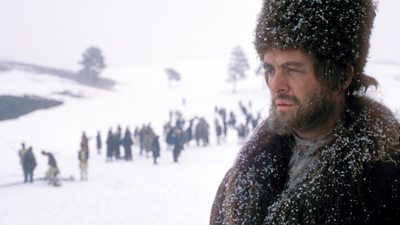
War and Peace
28 September 1972First episode of Come Dancing
29 September 1950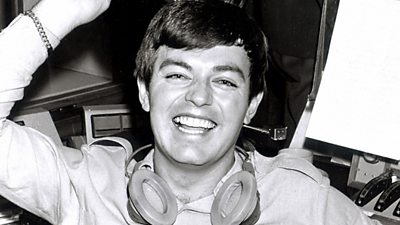
Start of Radios 1, 2, 3 and 4
30 September 1967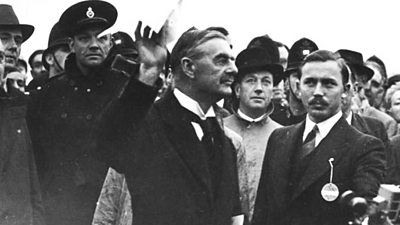
Chamberlain returns from Munich
30 September 1938


