Properties
Material The mechanical, physical or optical properties of materials that define how they behave in use. are vital to consider when creating a textiles product, as the functionality of a fabric can make it a success or a failure. For example, a non-absorbent bath towel or a warm sundress would not be Something that will work successfully..
Natural fibres
Natural fibres are all derived from vegetation, cellulose-based materials, as well as products that are made from animals.
| Natural fibre | Properties | Use |
| Cotton | Cool, cheap, strong, renewable, comfortable to wear, can withstand high temperatures | Denim jeans, shirts, lightweight clothing |
| Bamboo | Cheap, renewable, soft, absorbent, comfortable | Knitwear, socks |
| Linen | Renewable, strong, creases easily | Lightweight clothing |
| Wool | Soft, hardwearing, renewable | Knitwear, carpets |
| Silk | Expensive, drapes (hangs) well, renewable, good insulation properties (cool in summer, warm in winter) | Wedding dresses, ball gowns |
| Natural fibre | Cotton |
|---|---|
| Properties | Cool, cheap, strong, renewable, comfortable to wear, can withstand high temperatures |
| Use | Denim jeans, shirts, lightweight clothing |
| Natural fibre | Bamboo |
|---|---|
| Properties | Cheap, renewable, soft, absorbent, comfortable |
| Use | Knitwear, socks |
| Natural fibre | Linen |
|---|---|
| Properties | Renewable, strong, creases easily |
| Use | Lightweight clothing |
| Natural fibre | Wool |
|---|---|
| Properties | Soft, hardwearing, renewable |
| Use | Knitwear, carpets |
| Natural fibre | Silk |
|---|---|
| Properties | Expensive, drapes (hangs) well, renewable, good insulation properties (cool in summer, warm in winter) |
| Use | Wedding dresses, ball gowns |
Synthetic fibres
Synthetic fibres are human-made fibres produced in a laboratory. They are made from either polymers that are derived from Chemical products derived from crude oil., or naturally sourced materials which undergo a chemical process.
| Synthetic fibre | Properties | Use |
| Polyester | Cheap, durable, non-renewable | Shirts, school uniform |
| Acrylic | Warm and soft, non-renewable | Bedding, clothing |
| Viscose | Cheap, lightweight, versatile, renewable | Clothing, underwear |
| Acetate | Resistant to degradation, cheap, no elasticity, renewable | Shiny, reflective clothing and curtains |
| Elastane | Stretchy, retains shape well, cheap | Sportswear, leggings |
| Kevlar | Five times stronger than steel, uses chemical bonds and weave patterns for strength | Bulletproof vests, car tyres |
| Nomex | Heat resistant and lightweight | Firefighters’ outfits |
| Synthetic fibre | Polyester |
|---|---|
| Properties | Cheap, durable, non-renewable |
| Use | Shirts, school uniform |
| Synthetic fibre | Acrylic |
|---|---|
| Properties | Warm and soft, non-renewable |
| Use | Bedding, clothing |
| Synthetic fibre | Viscose |
|---|---|
| Properties | Cheap, lightweight, versatile, renewable |
| Use | Clothing, underwear |
| Synthetic fibre | Acetate |
|---|---|
| Properties | Resistant to degradation, cheap, no elasticity, renewable |
| Use | Shiny, reflective clothing and curtains |
| Synthetic fibre | Elastane |
|---|---|
| Properties | Stretchy, retains shape well, cheap |
| Use | Sportswear, leggings |
| Synthetic fibre | Kevlar |
|---|---|
| Properties | Five times stronger than steel, uses chemical bonds and weave patterns for strength |
| Use | Bulletproof vests, car tyres |
| Synthetic fibre | Nomex |
|---|---|
| Properties | Heat resistant and lightweight |
| Use | Firefighters’ outfits |
Blended fabrics
Fabrics can be blended to improve their properties.
| Blended fabric | Properties | Use |
| Polycotton | Cheap blend of polyester and cotton, crease resistant | Shirts, bedding |
| Sympatex | Breathable and waterproof | Sportswear and outdoor equipment |
| Blended fabric | Polycotton |
|---|---|
| Properties | Cheap blend of polyester and cotton, crease resistant |
| Use | Shirts, bedding |
| Blended fabric | Sympatex |
|---|---|
| Properties | Breathable and waterproof |
| Use | Sportswear and outdoor equipment |
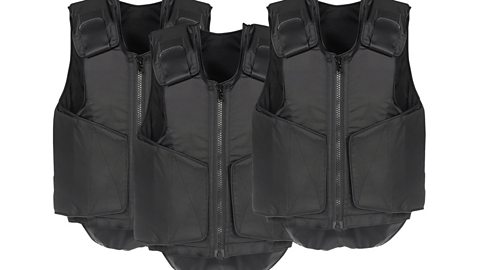
Kevlar is extremely strong and is used for bulletproof vests
