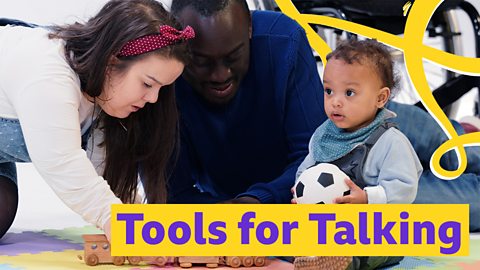
Tiny Happy People is a BBC website full of advice health visitors can share with parents and colleagues on a range of early years care concerns.
We cover everything from bonding to speech and language development, as well as offering practical help with routines including changing nappies, bedtimes, feeding, weaning and potty training.
Across the Tiny Happy People site, you'll find videos modelling best practice that you can show to parents and families on visits. These are all evidence-based and have been quality-checked by professionals, including health visitors, midwives and speech and language therapists.
Below you'll find a selection of resources you might find useful to share with families at various contact points, as well as some sections that cover ASN (Additional Support Needs) and speech delays, bilingual families and behavioural concerns.
You can also find Tiny Happy People on Instagram and Facebook using @bbctinyhappypeople.

For further information and support for families, visit Parent Club
Through pregnancy to toddler tantrums and starting school, all the way up to those tricky teenage years, Parent Club has tips and expert advice for all the ups and downs of family life.
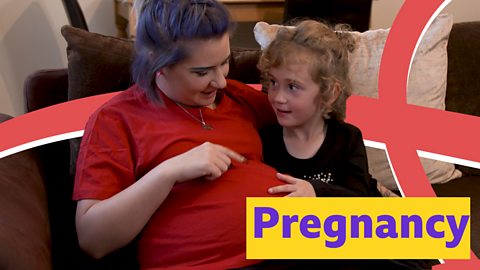
Antenatal visit
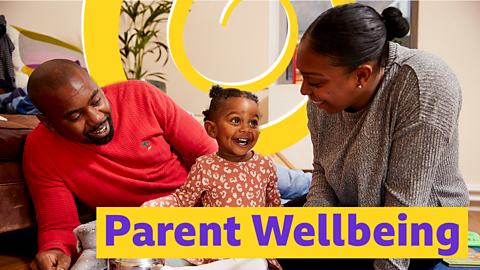

New birth visit

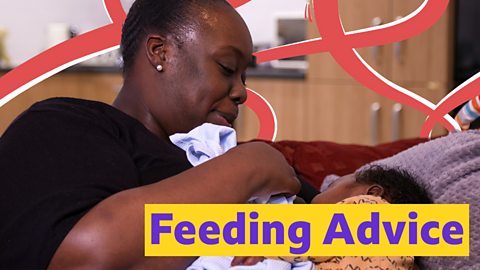
3-5 week visit
Activities for families to try

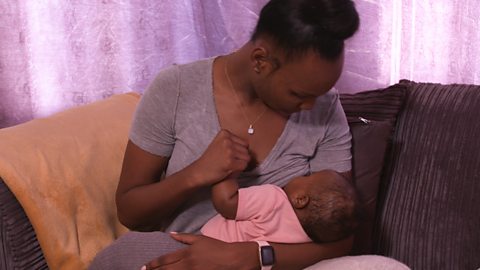

Advice for parents
6-8 week visit
Activities for families to try
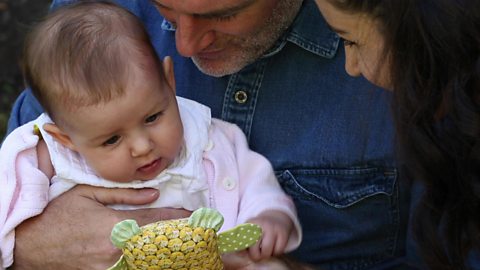
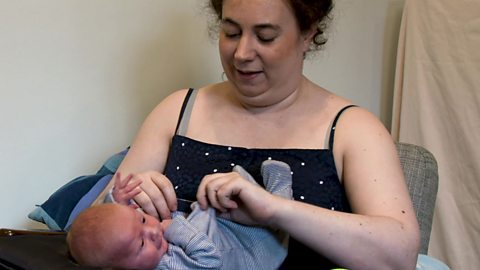
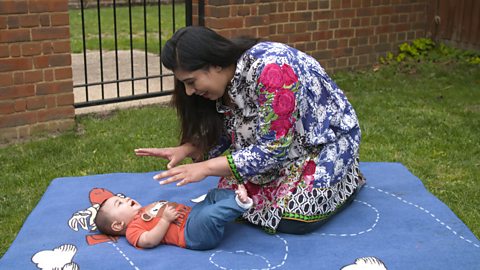
Parent-child bonding
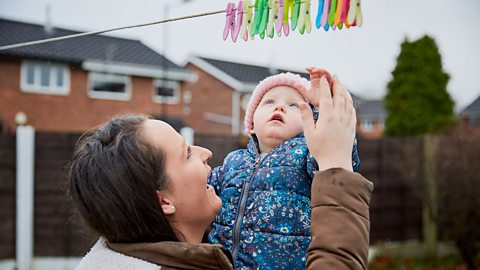

3-4 month visit
Activities for families to try
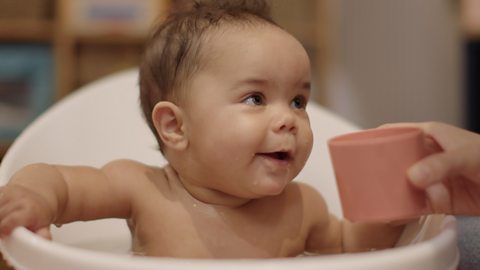
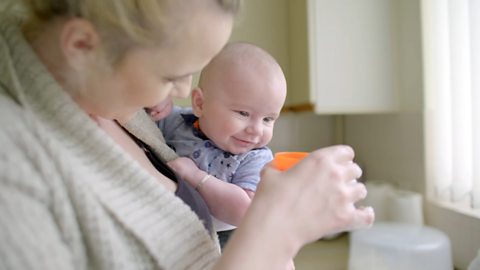
Baby development



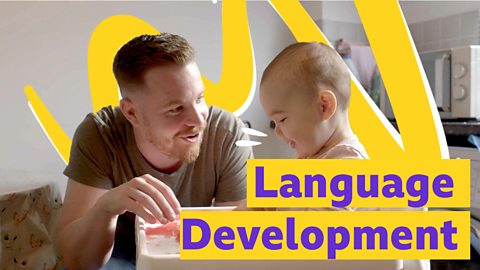
Language development
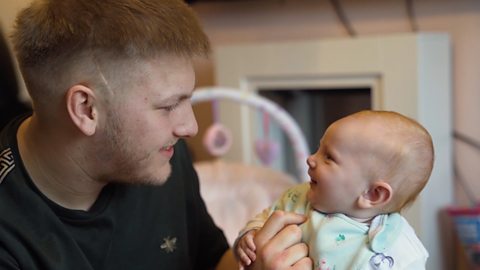
Routine advice
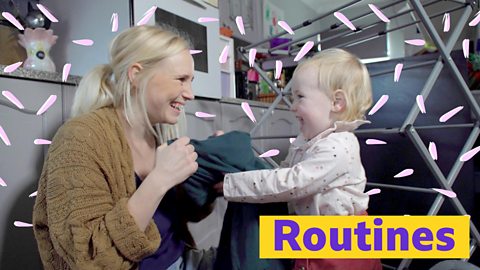
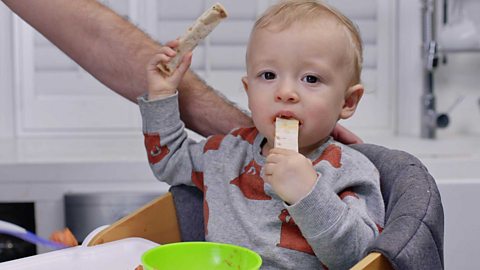

Parental wellbeing
8 month visit
Activities for families to try
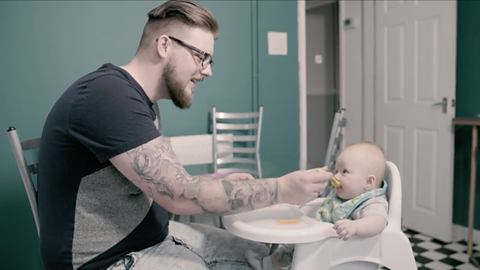
Weaning and mealtimes
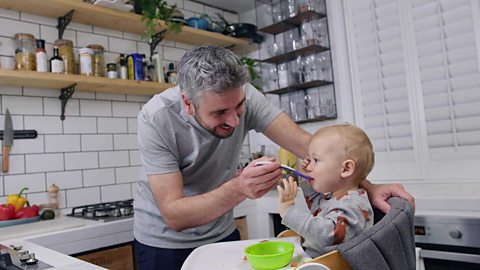


13-15 month visit
Activities for families to try
Encouraging movement
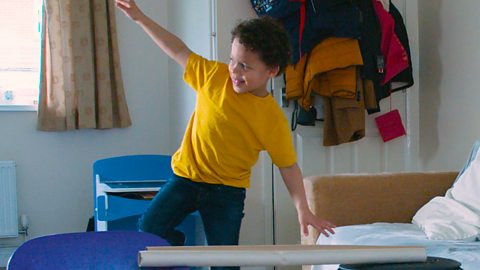


Language development
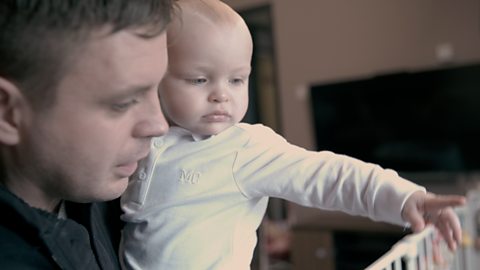


Children's development
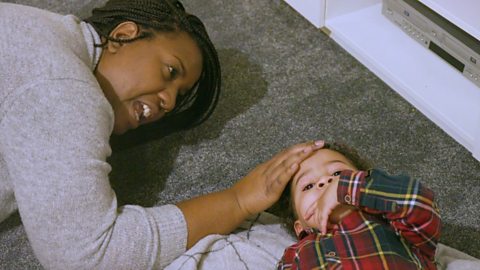
Parental wellbeing
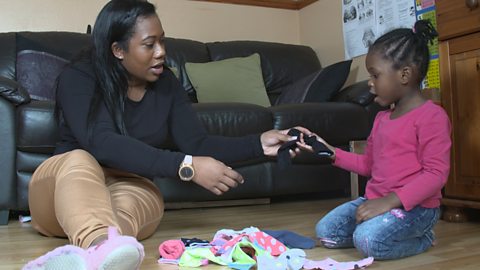
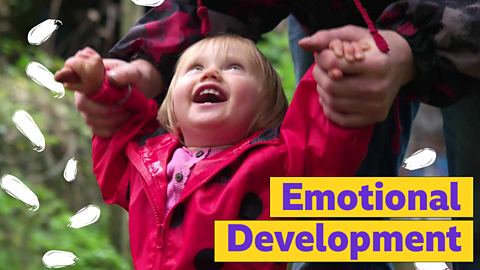
Children's emotional development
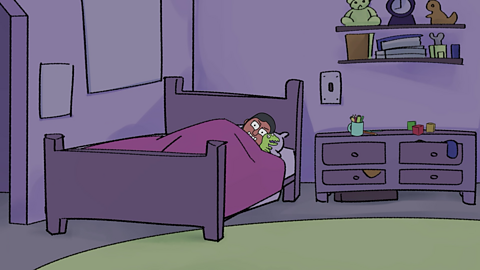
27-30 month visit
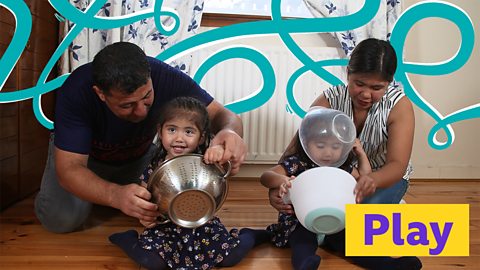
The importance of play


Language development
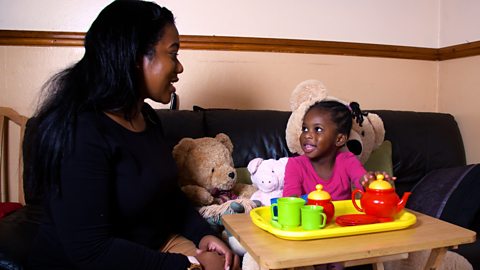
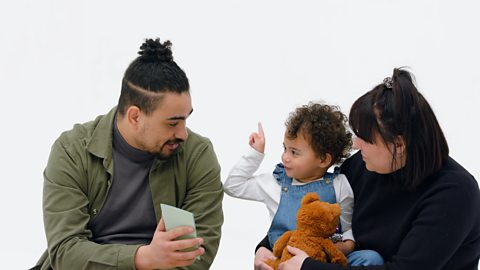
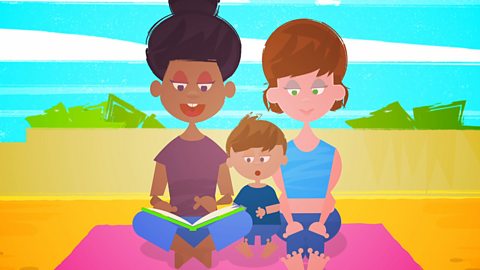
Activities for families to try
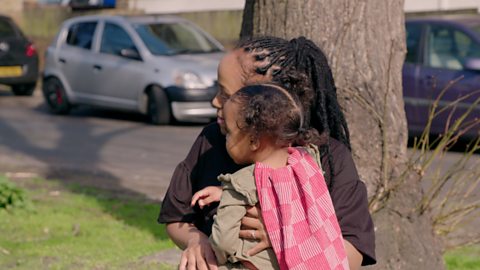
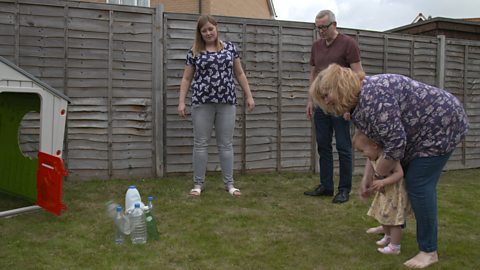
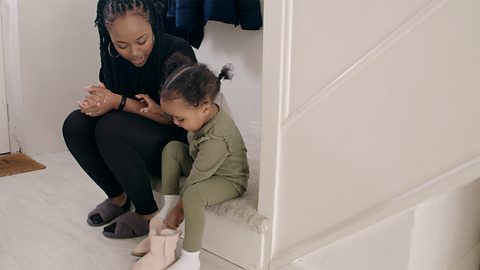
Routine advice

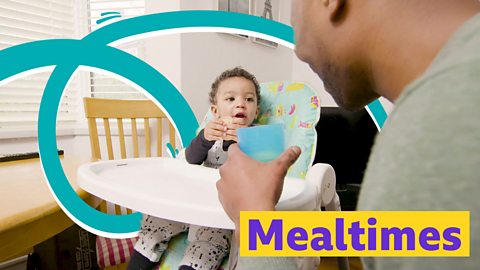
Attachment and bonding

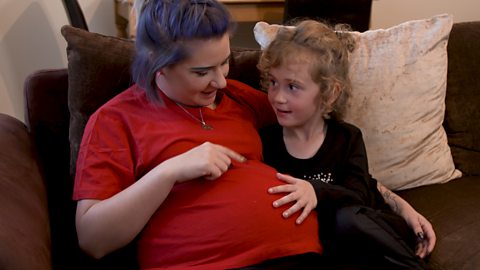
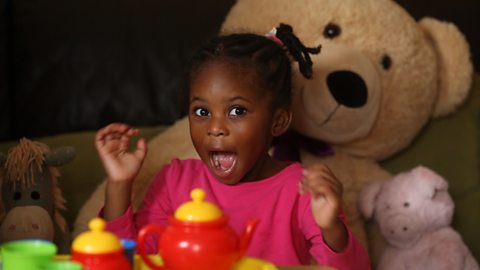
Physical development and active play
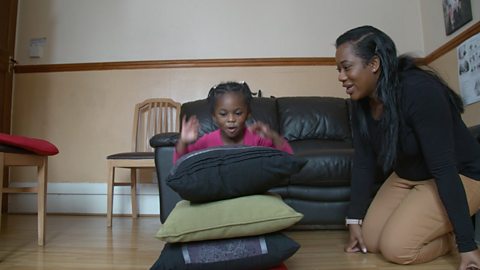
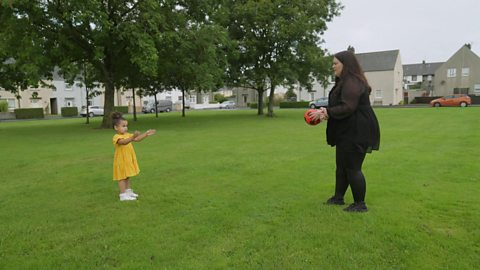
Pre-school review
School readiness
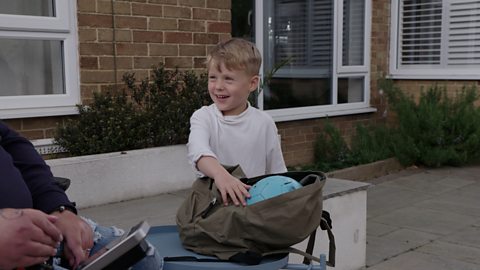
Activities for families to try
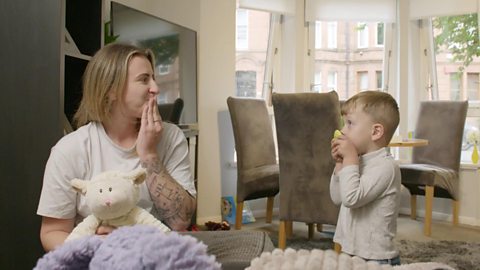
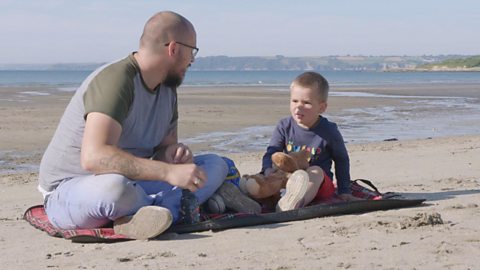
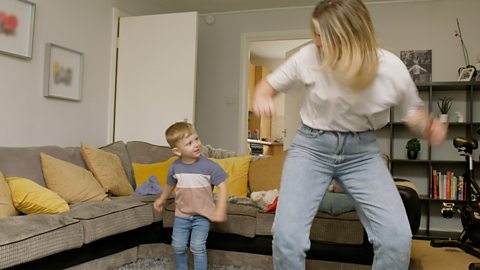
Language development
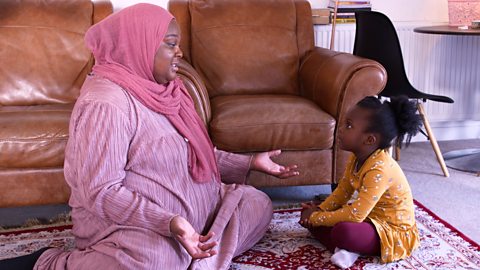

Physical development and active play
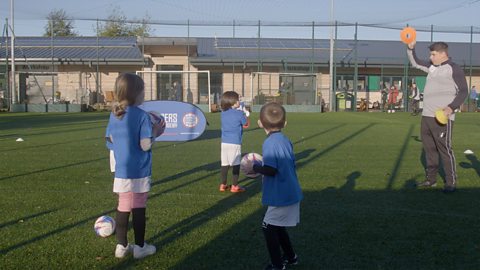
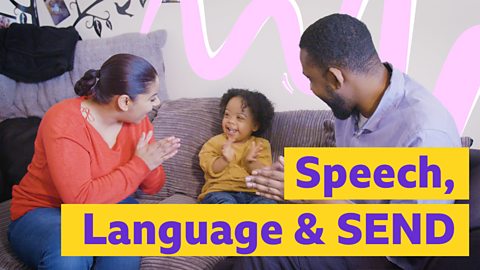
Children with Additional Support Needs (ASN)

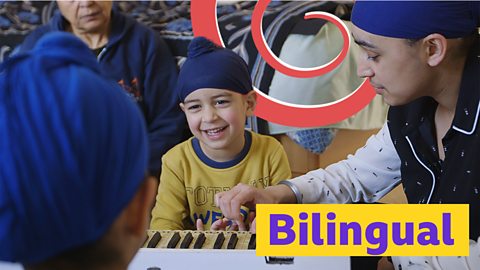
Working with bilingual families

Behavioural concerns and emotional development