A new baby is exciting news for you and means lots of changes for their older brother or sister.
While it’s not inevitable they’ll find it hard, there are lots of ways you can help prepare them for your new addition, says parenting and child development specialist Lorraine Lee.
“One really important tip is that you don’t hinge your happiness on how your toddler does or does not respond to the news, because they may not always understand what’s happening.”
If podcasts are your thing, you can also listen to Lorraine talk to Katie Thistleton and Guvna B on CBeebies Parenting Download using the link below…
Want to know more? Listen to the CBeebies Parenting Download podcast. podcast
If you've got another baby on the way, find out how you can prepare your children and yourselves with DJ Jamz Supernova.

Tips for telling your toddler about a new brother or sister
Tell them early… but not too early
News of their new baby brother or sister should come from you rather than a friend or relative but tell them when they can process the information.
“It's very difficult for a young child to think of something growing and living inside Mum. And when they can’t understand something, they become nervous and worried,” explains Lorraine.
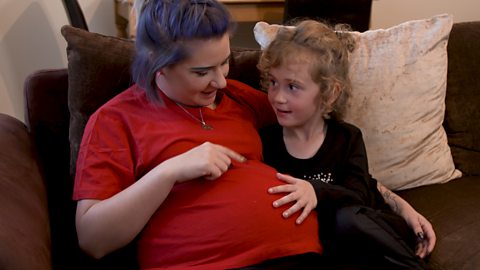
“Speak to your toddler when there several signs or changes that help them process the news: the scan picture, your bump, maybe the fact you’re tired and need to nap – together all these give them an understanding about what’s happening.”
Use age-appropriate and meaningful language
“Phrases like ‘You’re going be a big brother or big sister’ won’t necessarily mean anything to a toddler,” says Lorraine.
“The biggest change for them is that a baby is actually going to be in the house and they’ll be growing up together. So it’s a good idea is to look at pictures of babies and explain that a baby is going to be living with you and what that means.”
Create keepsakes together
This can help build attachment and creates bonding opportunities, explains speech and language therapist Janet Cooper.
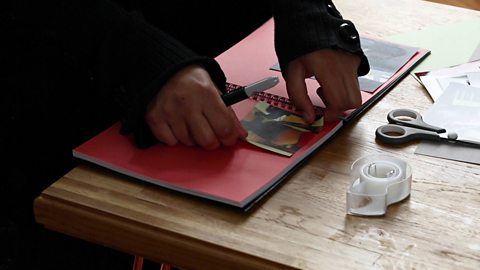
“Together with your toddler, make a box for your new baby with photos and mementos. Or make a scrapbook together: talk about everything you put in it and when baby arrives, continue to add things.
“Talk about what baby might be like and look like and if your toddler is slightly older, you could even guess how big baby’s going to be. And show them pictures of when they were a baby, so they can see how much they have grown since they were born.”
Don’t worry if your toddler isn’t as excited as you
“Your child might seem really underwhelmed and want to get back to whatever they were doing before you told them,” says Lorraine.
“Try not to be disappointed that they’re not attached to the news – their reaction isn’t to do with deep feelings but their attention span and interest levels, so don’t read too much into it.”
Getting your toddler ready for baby's arrival
Prepare baby's space together
“If your child can see where your new baby will stay, you’ll help them to make mental links between their life and what’s going to happen,” explains Lorraine.
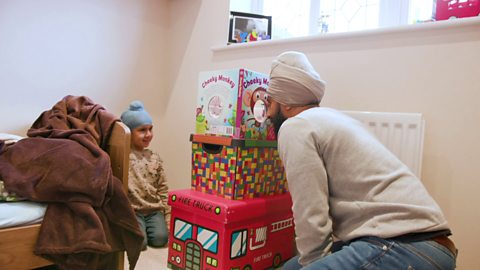
“Get them involved in preparing space for baby. For example, you could ask them to help you prepare a quiet corner of the room for storytime.”
Get them comfortable with the idea of sharing
Your toddler will be sharing people and their space with baby, which is a huge shift.
“But you can prepare them by introducing the idea of sharing,” says Lorraine.
“It could be as simple choosing a teddy that comes and sits with them on their lap to listen to their bedtime story. And they might give another soft toy to the bump, so baby can listen to the story too.”
Maintain routines but make tiny changes
Rather than experiencing a wave of change when baby’s born, try to make small adjustments to your toddler’s routines beforehand.
“It's important to keep their set routines in place, but slowly introduce some independence and flexibility,” explains Lorraine.
“It’s about drip-feeding change, so lots of things don’t happen at once when their baby brother or sister is born.
“An example of this might be with storytelling; if Mum normally does bedtime stories, perhaps Nan or another adult in their life could start doing it, while every other aspect of it stays the same.”
Try to understand their tough questions
If your child asks something tricky like, ‘Will they stay forever?’, give yourself a breather rather than panic answering straightaway, recommends Lorraine.
“Try ‘That's a really good question!’ or ‘You've been thinking, haven’t you?’ And then a gentle question to find out more about where they’re coming from – it might be they’ve picked up on something at nursery or school.
“You could say: ‘Did somebody else ask that question?’. This helps you understand and empathise. It might be that they’re worried about having to share Mummy and Daddy, in which case you can reassure them: ‘Sharing is hard but we’ll get better at it together’.”
Build their ability to wait
“Your toddler might be used to having everything immediately but when you're feeding baby or changing a dirty nappy, this won’t be the case,” explains Lorraine.
“To avoid them feeling resentful about baby, get them used to waiting just a little bit longer for things.”
STILL don’t worry if your toddler isn’t as excited as you
When your toddler feels or sees your bump move, the baby will seem more real but it’s still a strange experience for them.
“If they pull their hand away saying ‘I don't like that, Mummy’, it's really important you’re not offended: it’s not intentional, they’re probably feeling a mixture of things like curiosity, confusion and playfulness too.”
Supporting toddlers with new baby brothers/sisters
Reassure your toddler and give them positive attention
“However much preparation you do, there will be times your toddler feels put out about their baby sibling and the fact they’re taking up your time. So there will be occasions you’ll need to sit down and reinforce the fact that you still love them and baby hasn’t changed that,” recommends Janet.
It’s important that everyone at home or visiting gives your toddler attention too.
“Your baby is getting all the smiles but their older brother or sister needs lots of interaction and eye-to-eye contact too,” adds Lorraine.
Avoid too many 'go and get' instructions
“Toddlers love helping out at home so it’s easy to get them involved caring for baby. But they can tire of constant ‘go and get’ orders to fetch things for their sibling,” explains Lorraine.
Find ways they can get actively involved.
“Nappy time is great time: talk about what you need to do and get them involved in gathering everything you need,” explains Janet.
“Encourage your toddler to talk or make faces at baby while you are changing the other end. You could even sing the Wee Wee Poo song together.”
Be calm but firm about difficult behaviour
“If your toddler prods their baby brother or sister or sticks a finger up their nostril, it seems quite hostile but remember it’s most likely to be about them being curious and finding things out,” says Lorraine.
“So your reactions need to be really calm, which is hard particularly when you’re sleep-deprived. But if you get angry, you'll push the toddler into the emotional part of their brain; they won’t understand that they shouldn’t do it again and just think, ‘Baby's made you angry with me’.
“My advice is to stay calm and try and minimise situations where they can prod or poke again.”
Support physical bonds
At a time when their emotions are likely to be all over the place, find easy ways to build your toddler's bond with their baby sibling.
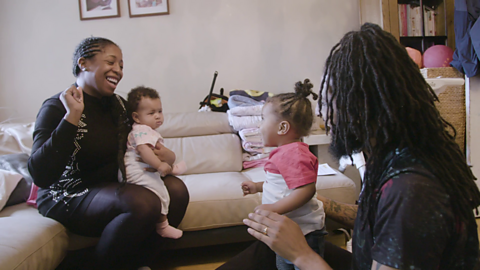
“Rather than forcing them to awkwardly hold baby for a photo, they could do something easy like gently rousing baby for feeding, tickling their feet, blowing raspberries or helping remove their socks,” adds Lorraine.
“If your toddler is desperate to hold baby, make sure you or another adult is available to help and try not to be too nervous or tense. Most toddlers won’t know what to do so be prepared to support them throughout the process.”