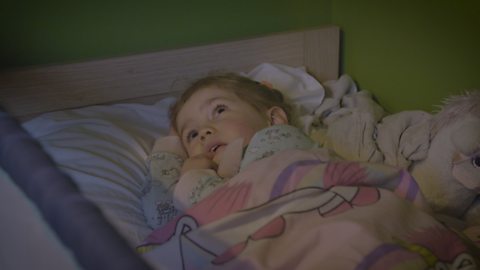
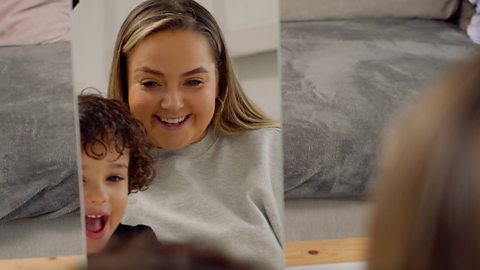
A good sleep is so important for your child's physical and mental health and for you, but we all know they sometimes resist it.
That's why having a clear bedtime routine that's easy for your little one to follow is so important…though this is sometimes easier said than done.
If you're looking for advice on how to establish a bedtime routine, the quick video below will give you a great place to start.
It's bedtime, and your child is practising their new fave word - no! "No", they won't go to bed. "No", they won't close her eyes. No, they won't stop screaming the house down.
Is anyone in the family ever going to sleep again?
A good sleep is so important for your child's physical and mental health and for you, but we all know they sometimes resist it.
Struggles at bedtime happen. Of course children love fun, stories, and cuddles with their family more than they love going to bed.
Sleep problems can happen at any age. They're most common between the ages of three and six, and for some children, it may take a while to get them settled without a struggle.
So how can you get to stress-free bedtimes?
Create a clear bedtime routine that's easy for your little one to follow.
Do the same relaxing things in the same order, at the same time every night. Like a warm bath, dim the bedroom lights, and read a story quietly together. And make sure there's no TV or tablet on in the room when they're going to sleep.
Be prepared for bedtime to be challenging and think about ways to hear "yes" more than "no".
What about a homemade reward chart for when bedtime tasks are fuss free, or give them their choice of bedtime story? Help your little one to notice when they're tired by talking to them in simple words: "You look sleepy"; "Those yawns tell me it's bedtime. "You know the signals that they need sleep - yawning, rubbing their eyes, maybe getting emotional.
Talk with your child about these signs, so they know it's time for bed, time to sleep, and that sleep will help them feel better.
Are bedtimes always going to be perfect? No! Are they going to get better? Yes, yes, yes - PLEASE, yes!
Why do children struggle with going to bed?
Children’s sleep is important for their physical and mental health and development, as well as your own mental health as a parent.
However, a lot of times, getting them to go to bed and go to sleep is a struggle. This is because fun with the family, stories and cuddles are all often more appealing to children than tucking up into bed.
Struggles to get children to settle can come at any age but are most common between the ages of 3 and 6.
You can find all of the sleep advice for children on our website in one place by clicking here.
Tips for settling children at bedtimes and setting a bedtime routine
1. Create a clear, easy to follow bedtime routine.
Do the same relaxing things in the same order, at the same time every night. These could include a warm bath, dimming the bedroom lights, and reading a story together quietly.
Try to avoid screens for an hour before bedtime, and make sure there’s no TV or tablet on in the room when they’re going to sleep.
2. Be prepared for bedtime challenges.
If you think about sticking points in advance you can pre-empt the things they’ll say ‘no’ to. How about encouraging them by making a reward chart for when bedtime tasks are fuss-free?
If they know from the start that a drama-free toothbrushing means they can hear their favourite story, they are more likely to co-operate.
3. Help them to recognise when they may be sleepy.
Talk to them in simple words to help them spot the signs themselves. You could say ‘You look sleepy’ or ‘those yawns tell me it’s bedtime.’
Look out for these signals yourself, whether it’s yawning, rubbing their eyes or getting emotional. Talk with your child about these signs and how sleep will help them feel better.
Created with help from child psychologist Dr Claire Halsey and child development researcher Dr Michelle Peter.
- Does your child struggle to wake up in the morning? Check out some CBeebies tips on establishing a morning routine
Winding down with CBeebies
Watch these clips from CBeebies Daydreams to see the world through a toddler’s eyes, and check out our ideas for more chilled-out family fun.
Bedtime songs for sleepy children - Time to get ready for a cosy night's sleep. Help your little one wind down with these gentle songs and videos from all their favourite CBeebies friends.
Calming sounds for bedtime - Choose from these 8-hour calming sounds from CBeebies Radio to help your little one sleep, including white noise!
CBeebies Bedtime Hour - Watch your favourite characters at bedtime.
Find out about the new CBeebies Bedtime Hour Schedule and discover calming shows to help your little one wind down for bedtime.