RUBY: Estamos en la panadería.
MAURO: Esta es mi panadería favorita.
BOTH: Vamos.
BAKER: Hola, buenos días.
BOTH: Hola.
BAKER: ¿Qué os pongo?
MAURO: Un cruasán de chocolate.
RUBY: Pues una enseimada pequeña, por favor.
BAKER: Uno de chocolate y una enseimada pequeña. ¿Qué más os pongo?
MAURO: Una bolsa de rosquilletas.
BAKER: Sí, aquí unas rosquilletas. ¿Qué más?
BOTH: Nada.
BAKER: Pues serán dos euros.
MAURO: Un euro.
RUBY: Un euro.
BAKER: Vale y, por cierto, ¿queréis ver cómo se hacen las rosquilletas?
BOTH: Sí, por favor.
BAKER: Vamos conmigo. Vamos, vamos, vamos.
Hola, chicos.
BOTH: Hola.
BAKER: ¿Os habéis lavado las manos?
BOTH: Sí.
BAKER: Aquí tenemos el aceite, el agua, la sal, la levadura y, lo más importante, la harina. ¿Vale?
Esto por aquí. Con un poquito de harina en las manos, un poquito del plato y un poquito de harina, mira.
Aquí. Así, a ver. Muy bien.
RUBY: Pues yo he hecho un caracol.
BAKER: ¡Un caracol! ¡Qué bonito!
¿Y esto también? Mira.
RUBY: ¿Me falta algo? Ahh sííí. El pelo y la nariz.
Ya está, a ver la nariz.
BAKER: A ver la nariz.
Son exclusivas ¿eh? Rosquilletas exclusivas.
RUBY: ¡Qué bueno!
MAURO: ¡Qué delicioso!
BAKER: ¿Les gusta?
BOTH: Sí.
MAURO: Qué rico.
RUBY: Qué sabroso.
Two children visit their favourite bakery and buy a selection of cakes.
They are curious about how some of the products are made, so the baker takes them into the kitchen and shows them how to bake their own cakes.
This clip is from the BBC Series, Being Spanish.
Teacher Notes
- Pupils could be given a basic recipe for 'rosquilletas' (or another bakery item) with spaces for the ingredients to be written in. The gaps could be filled in whilst listening to the clip.
- Pupils could then be given an English recipe for a different item, which they then have to translate into Spanish using the model to help them.
Curriculum Notes
This video is relevant for teaching Spanish at KS2 in England and Wales, KS2 in Northern Ireland and second level in Scotland.

In the city of Valencia. video
Valencia is a busy and vibrant city on the eastern coast of Spain. Ruby has been living around Valencia for two years and with her Spanish friends, they compare living in the countryside and living in the city.
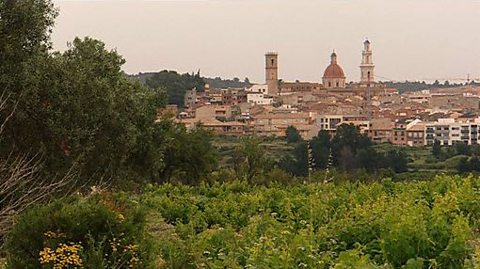
In a Spanish village. video
Spanish children take a tour of their town near Valencia to show what there is to see and do. They also visit a market and see what there is to buy.
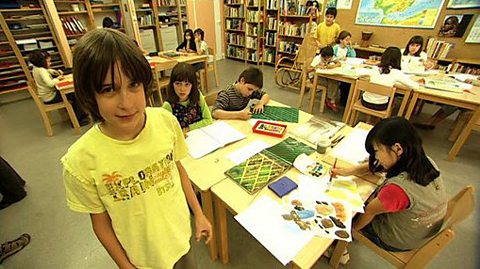
In a Spanish school. video
A group of Spanish children take a tour around their school in the suburbs of Valencia. They talk about the food they eat for breakfast, the school facilities, their favourite school subjects and what they do at break-time.
At home in Spain. video
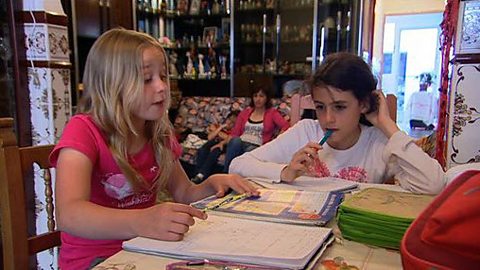
Angela and her friend return home after school and do their homework. They mention the rooms in the house while playing hide and seek.
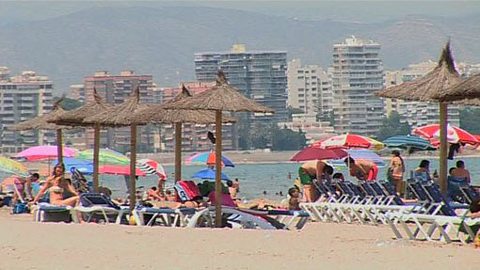
On the beach in Spain. video
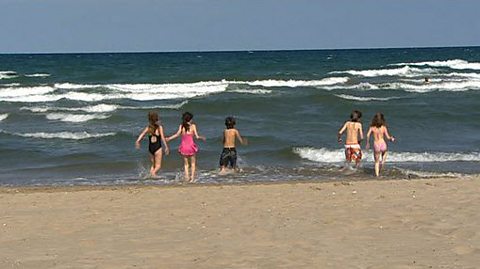
Spanish children go on a trip to the beach in Valencia and explain what they like about living by the seaside.
Celebrating a birthday in Spain. video
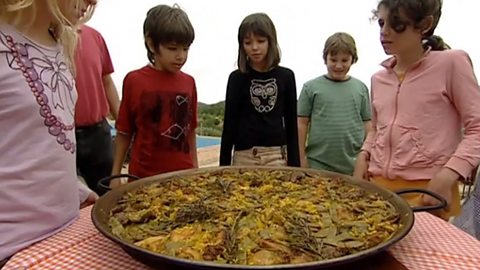
Llorens is celebrating his birthday with friends and family. His mother is preparing a paella and mentions all food items for the dish and how she makes it. Members of Llorens's big family are introduced.
At a museum in Spain. video
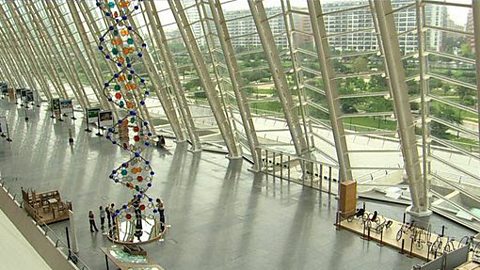
Spanish children visit the Science and Art Museum in Valencia and investigate the fascinating and educational exhibits about the world around us.
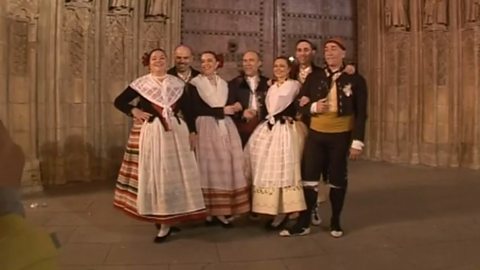
Spanish festivals. video
Valencia is famous for its celebrations with fireworks. The children go to see one of these fiestas and wear the traditional costumes.
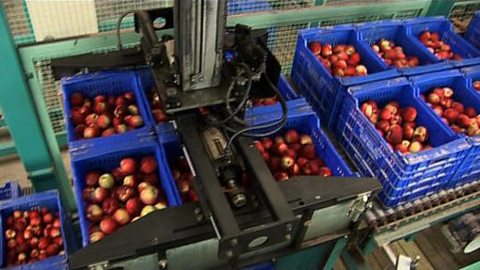
Picking fruit on a farm in Spain. video
A group of Spanish children experience picking fruit and get to see the process of getting it ready for shops in Spain and all over Europe.
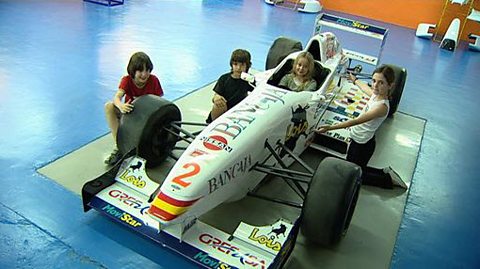
Karting in Spain. video
Spanish children visit the Cheste race circuit near Valencia, where lots of different motor sport competitions take place. They also meet a few karting competitors at an important event.