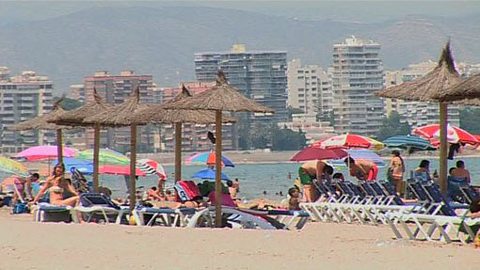
RUBY: There is nothing I like better on a sunny day than for my family and friends to go to the beach.
¡Vamos a la playa!
ANGELA'S MUM: ¡Cuidado, chicos!
RUBY: En la playa, me gusta nadar en el mar.
SERGI: En la playa, me gusta nadar, hacer castillos de arena.
RUBY: Uno, dos y tres. Bien.
MAURO: Más o menos, en la playa, me gusta bañarme. También me gusta hacer castillos de arena, tomar helados.
SERGI: Un volcán de nata fresa.
VENDOR: Gracias.
LUNA: En la playa, me gusta jugar con mis amigos, jugar a voleibol.
RUBY: ¡Nueve!
SERGI: Jugar al voleibol y al fútbol y también me gusta enterrarme debajo de la arena.
Y me gusta mirar las nubes, las formas que tienen.
ANGELA: Ruby, ¿esto es tuyo?
MAURO: Ay, ¡mi zapatilla como está!
LUNA: ¿Dónde está mi mochila?
RUBY: ¡Qué cansada estoy!
ANGELA: Estoy reventada.
LUNA: Ay, estoy agotada.
MAURO: Tengo mucho sueño, aunque el agua estaba muy buena.
SERGI: Estoy cansado pero me lo he pasado bien.
A few Spanish children go on a trip to the beach in Valencia.
They explain what they like about the beach and the types of activities they enjoy.
After a packed day out they head home tired. They express their feelings with lots of useful adjectives.
This clip is from the BBC series, Being Spanish.
Teacher Notes
- As part of a movement or drama lesson, pupils could be encouraged to freeze frame the different activities that the Spanish children like to do on the beach.
- For each freeze frame, they could be encouraged to get into different sized groups (teacher says a number in Spanish to indicate group size).
- Once in their groups, pupils should be given a minute to arrange themselves in a freeze frame of the chosen activity (teacher to say the activity in Spanish).
Curriculum Notes
This video is relevant for teaching Spanish at KS2 in England and Wales, KS2 in Northern Ireland and second level in Scotland.

In the city of Valencia. video
Valencia is a busy and vibrant city on the eastern coast of Spain. Ruby has been living around Valencia for two years and with her Spanish friends, they compare living in the countryside and living in the city.
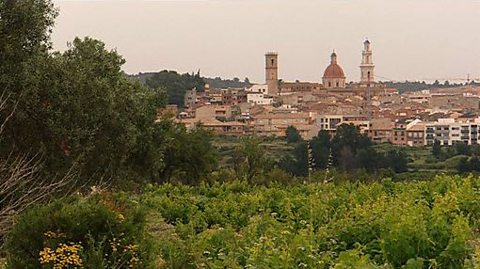
In a Spanish village. video
Spanish children take a tour of their town near Valencia to show what there is to see and do. They also visit a market and see what there is to buy.
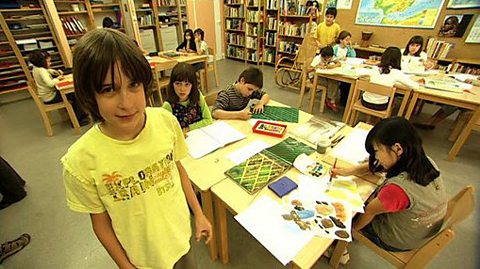
In a Spanish school. video
A group of Spanish children take a tour around their school in the suburbs of Valencia. They talk about the food they eat for breakfast, the school facilities, their favourite school subjects and what they do at break-time.
At home in Spain. video
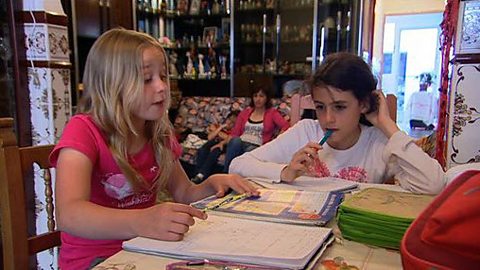
Angela and her friend return home after school and do their homework. They mention the rooms in the house while playing hide and seek.
Celebrating a birthday in Spain. video
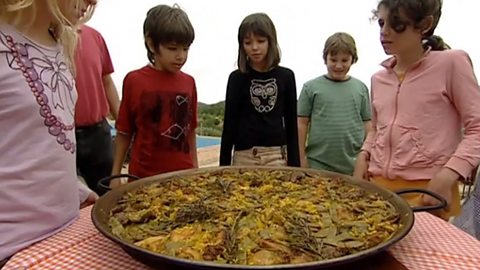
Llorens is celebrating his birthday with friends and family. His mother is preparing a paella and mentions all food items for the dish and how she makes it. Members of Llorens's big family are introduced.
At a bakery in Spain. video
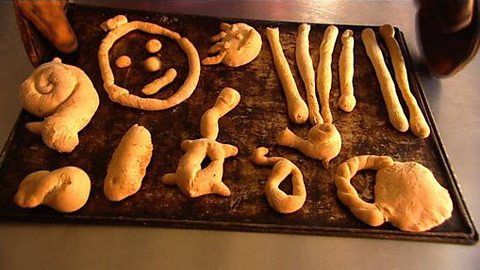
Two children visit their favourite bakery and buy a selection of food items. They are curious about how some of the products are made and get a lesson from the baker on how to bake their own cakes.
At a museum in Spain. video
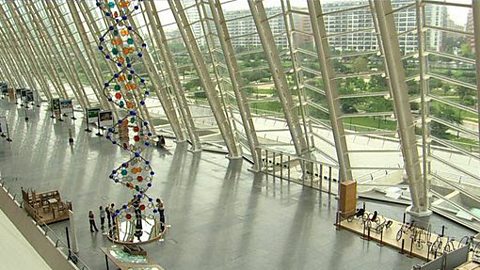
Spanish children visit the Science and Art Museum in Valencia and investigate the fascinating and educational exhibits about the world around us.
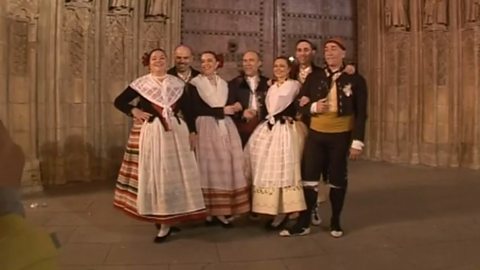
Spanish festivals. video
Valencia is famous for its celebrations with fireworks. The children go to see one of these fiestas and wear the traditional costumes.
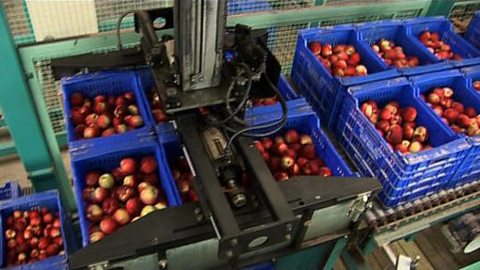
Picking fruit on a farm in Spain. video
A group of Spanish children experience picking fruit and get to see the process of getting it ready for shops in Spain and all over Europe.
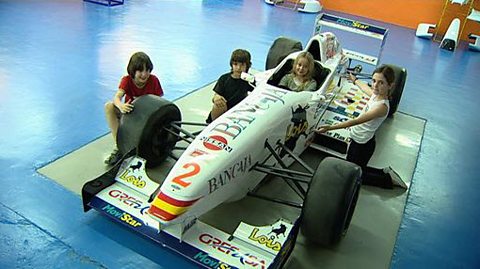
Karting in Spain. video
Spanish children visit the Cheste race circuit near Valencia, where lots of different motor sport competitions take place. They also meet a few karting competitors at an important event.