Greg James: GCSE Food Preparation and NutritionFood SafetyIn this film you will learn about:Food Safety, what it means,causes of food poisoning,factors that impact on bacterial growthand how to prevent food borne illness.Definitions.A contaminant is any substance or object that makes foodor objectionablePathogens are harmful bacteria that cause food poisoning.Pathogens include:SalmonellaBacillus cereusClostridium botulinumE coliand CampylobacterThey all cause food illnesses and some can kill.There are certain conditions that bacteria need to tFirst: Food particularly food that's moist and high inlike meat, fish, eggs and dairy products.They are all firm favourites on the bacteria menu.Next: Moisture. Bacteria are unable to multiply in dribut as soon as liquid is added,it creates ideal conditions for bacteria to multiply.Third is warmthMost bacteria multiply above 5° C and below 63° C.Between these temperatures is the danger zone whereIt's also worth noting that frozen foods are kept belwhich only slows bacterial growth – it does not killFinally bacteria need time, but not much of itThey multiply quickly, so cool cooked foods rapidly.Chill the food and store below 5° C within 90 minutes ofIf there are 2 bacteria on a slice of quichein a warm kitchen overnight,they could have multiplied to over 500 millionby the time you eat it for your lunch the next dayTo prevent food poisoning remember the 4 CsNumber 1 CleaningRegularly and thoroughly wash your hands before preparinWash them after each handling of raw food,after using the toilet,changing a nappy,touching bins or petsand don't forget to Clean surfaces and storage areaswith hot soapy water.Number 2 CookingDestroy harmful bacteria by thorough cooking and reheatto at least 75°C, then maintain a temperature of at leastuntil served.Number 3 ChillingSet the refrigerator to below 5°C.Cool cooked foods fast, but never cool food in thebecause it raises the interior temperature above 5°C,causing bacteria in other foods to multiply.Number 4 Cross – contaminationThis happens when bacteria get transferred from raw foodto other foods – especially if they are to be eaten wiFor example: meat juices from a steak on the top shelfleak onto salad being stored on the next shelf down.So now you know:What food safety means,causes of food poisoning,factors that impact on bacterial growthand ways to prevent food borne illness.Not actual size, obviously!
Video summary
Did you know that food poisoning can be potentially fatal?
Find out all about how pathogens cause this dangerous illness.
It explains the conditions that helps bacteria multiply rapidly and the most risky foods.
It outlines the 4 C's to remember to prevent food poisoning: cleaning, cooking, chilling and cross-contamination.
This clip is from the series Food Preparation and Nutrition.
Teacher Notes
Students could create a floor plan of a typical domestic kitchen, labeling the appliances, sink, chopping board and other equipment, salad ingredients etc.
Students could plot the opportunities for cross contamination by an unhygienic cook preparing a dish from raw chicken.
Draw lines on the floor plan to show the cook’s route and sites of contamination.
Students could discuss their work with the teacher.
Students could demonstrate their understanding of food safety by creating a risk assessment for the prevention of food poisoning in the home.
It could include necessary measures needed when shopping, storing, preparing and serving food.
Students could present their risk assessments to others in their group.
This clip will be relevant for teaching Food Technology and Modern Studies at GCSE in England, Wales and Northern Ireland.
This topic appears in OCR, Edexcel, AQA, WJEC KS4/GCSE in England and Wales, CCEA GCSE in Northern Ireland.
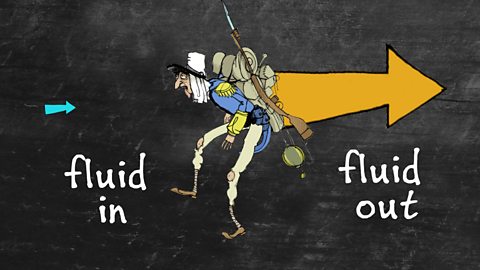
The importance of staying hydrated. video
A guide to why hydration is vital for health and how water is lost from the body.
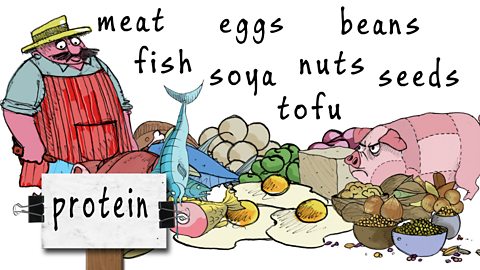
Food Groups and the Eatwell Guide. video
A look at how the Eatwell Guide classifies food into groups and is a guide to achieving a balanced diet.
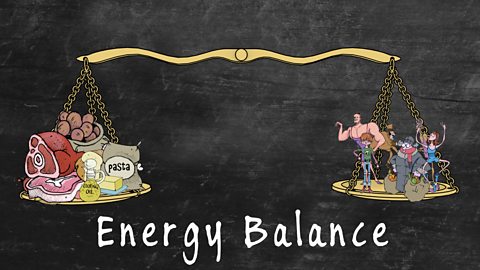
Energy needs of the body. video
An animated guide to energy needs, percentages from macro-nutrients, exercise and energy balance.
Eight tips for healthy eating. video
Discover he eight guidelines for a healthy diet include the foods we should eat more of and some to cut down on.
Healthy cooking methods. video
This animation investigates healthier cooking methods which limit the amount of oil or fat used.
What information is included on food packaging? video
This animation gives an insight into the labelling that must by law be included on food packaging, and what information it gives us.
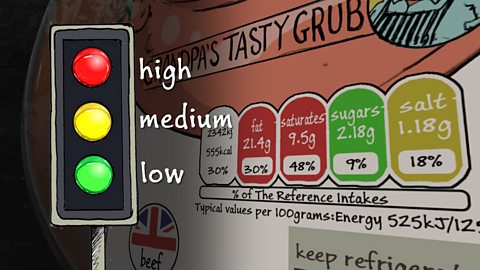
How our senses guide food choices. video
How our 5 senses guide food choices, help us identify and appreciate the smell, taste and texture of food and develop our personal preferences.
Food production. video
An introduction to primary and secondary food processing, using the example of wheat milled into flour and made into bread