Greg James: GCSE Food Preparation and NutritionHealthier CookingIn this film you will learn about:Food preparation techniques and cooking methodsthat can create healthier meals and some ways to improve texture,taste and overall palatability of food.Easy for me to say!Steaming is a moist method of cooking in the steam from boiling water.No oil or fat is used and flavour is concentrated.Poaching is cooking in a pan of boiling water,stock or milk that has been reduced to simmering.Fish, eggs & chicken can be poached.Grilling, roasting and baking are all forms of cooking in or under dry heaVery little oil or fat is needed,food is fragrant, crisp and brown,flavour isn't lost and any excess fat can be drained offYou can grill fish, lean meat & sausagesand you can make your grilled chicken even healthier by removing the skin,which reduces the fat you consume.You can roast lightly oil-misted vegetables.And of course you can bake all sorts of food,like Pizza, apples and scones. Or is it scones?Stir frying only needs a small amount of oil.Fewer nutrients are lost in this quick cooking methodand food is not overcooked.Dry frying is when you fry something without oil or fatbecause there is already enough fat in the food itself.You can dry fry foods like fresh mackerel and herring if you so wish.Boiling can result in bland-tasting food, but adding herbsand seasoning will improve flavour.Also, when boiling or poaching, save the cooking liquidand use it in soups, stocks and sauces.This way, you retain the nurtrients that have escaped into the liquid.Use small electrical appliances:Microwaving food, shortens cooking timeand preserves more of the nutrients.Using a Slow Cooker to make casserolesmeans nutrients are consumed in the gravy.Halogen Ovens are small ‘ovens’ that cook quickly.For example, you can roast a whole chicken in 45 minutesusing very little fat.Air Fryers cook foods like chips with 1-2 teaspoons of oil,in circulating hot air.To help our healthier dishes taste and look great we can;Add herbs and spices to meat, fish and vegetables in place of saltCreate texture and enhance taste and colour by lightly misting,crumb-coated fish cakes or boiled potatoes with oiland baking until golden.Add flavour, texture and colour to poached fish by covering it ina mixture of breadcrumbs mixed with a tablespoon of grated Parmesanor Cheddar cheese and then flash grilling it,before serving sprinkled with chopped fresh parsley.Deeeeelicious!So now you know about …Food preparation techniques and cooking methodsthat can create healthier meals and some ways to improve texture,taste and overall palatability of food.Cluck!
Video summary
The way food is prepared and cooked affects its appearance, taste, texture and whether people want to eat.
Healthier cooking limits or avoids oil and fat, and can also mean reducing ingredients such as fat, sugar and salt.
Moist methods of cooking like steaming, poaching and boiling do not use any added fat. Grilling, roasting and baking - as an alternative to frying, (e.g. baking Samosas or Burgers) are ways of cooking in or under dry heat.
Very little oil or fat is required and any excess from cooking can be drained off.
Dry frying does not use any fat at all and stir-frying only a small amount.
A range of small electrical appliances such as microwave ovens, halogen ovens and air fryers can help to reduce the amount of fat needed for cooking.
Herbs and spices can enhance the appearance, texture and taste of dishes.
Techniques such as oil-misting boiled potatoes and baking them until crisp and golden, adding a teaspoon of Parmesan cheese to fresh breadcrumbs, sprinkling on poached fish and grilling, improves the appearance, taste and texture of an otherwise bland dish.
This clip is from the series Food Preparation and Nutrition.
Teacher Notes
Students could prepare a simple two course meal using healthier cooking methods and apply some techniques to improve the taste, texture and palatability of the food.
Why is the meal healthier? Discuss the outcomes.
Students could use their knowledge of healthier cooking methods and, explaining their reasoning, could apply those methods to create a healthier version of a traditional fried breakfast.
Make healthier alternatives to fried bread, fried egg, fried sausage, fried tomato, fried potato and mushrooms.
This clip will be relevant for teaching Food Technology and Modern Studies at GCSE in England, Wales and Northern Ireland.
This topic appears in OCR, Edexcel, AQA, WJEC KS4/GCSE in England and Wales, CCEA GCSE in Northern Ireland.
The importance of staying hydrated. video
A guide to why hydration is vital for health and how water is lost from the body.
Food Groups and the Eatwell Guide. video
A look at how the Eatwell Guide classifies food into groups and is a guide to achieving a balanced diet.
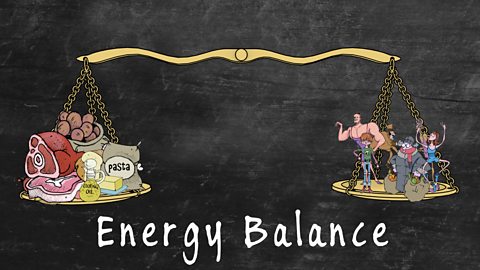
Energy needs of the body. video
An animated guide to energy needs, percentages from macro-nutrients, exercise and energy balance.
Food Groups and the Eatwell Guide. video
A look at how the Eatwell Guide classifies food into groups and is a guide to achieving a balanced diet.
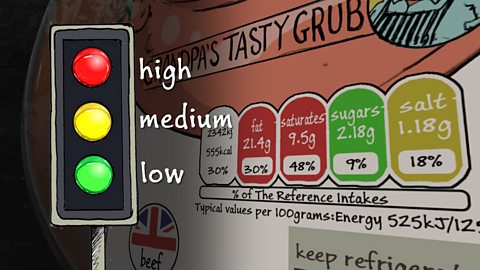
What information is included on food packaging? video
This animation gives an insight into the labelling that must by law be included on food packaging, and what information it gives us.
How our senses guide food choices. video
How our 5 senses guide food choices, help us identify and appreciate the smell, taste and texture of food and develop our personal preferences.
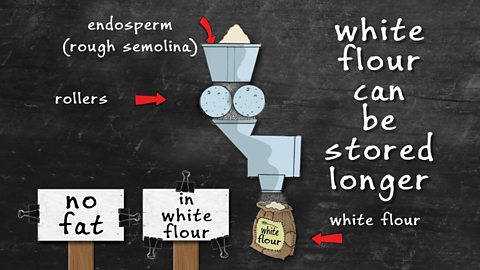
Food production. video
An introduction to primary and secondary food processing, using the example of wheat milled into flour and made into bread
The causes of food poisoning. video
This animation outlines the causes of food poisoning, conditions for bacteria to multiply, and how to make food safe.