SIMRAN: April is a very special time for Sikhs all over the world. It's the festival of Vaisakhi when we remember the founding of the Khalsa Sikh community. It's extra special for my family because my dad is organising the celebrations in my city.
The day before like Vaisakhi it's really exciting because you're just thinking 'Oh it's Vaisakhi tomorrow there's going to be lots of great things.'
Cheers.
It's that that kind of gets you excited.
I've just had my dinner and had my shower and I'm getting ready for tomorrow morning. I'm really excited about tomorrow. So yeah. Bye.
Vaisakhi starts before sunrise. We replace the Sikh Flag the Nishan Sahib for another year. Then we spend time praying and listening to readings from the holy scriptures the Guru Granth Sahib.
MAN SINGS
Then it's a bit I reallylook forward to… the Vaisakhi parade. I'm here with my mum my auntie and my little brother Subegh. Dad has organized two big parades across the city with up to 100000 people expected. There'll be approximately 300 road closures and we have an event in the park. It's all very very reliant on volunteers. I think we've got in excess of 1500 volunteers today.
SIMRAN: Volunteering and helping others is a big part of Sikhism. Everyone wants to do their bit.
Team leader.
When I see all the people together I feel like I'm proud." It doesn't matter if you're a Sikh Muslim Hindu Christian you know you'll see everybody walking together.
SIMRAN: The procession is led by the five beloved ones who are represented by Khalsa Sikhs from the local community. And our eternal living Guru the Guru Granth Sahib has pride of place.
I'm basically going to film anything I can.
The Vaisakhi parade is 3½ miles long. That's a lot of walking!
MAN: Yeah.
OK Simran?
It's quite long and my legs are aching now but it's all worth it. And even Subegh managed to make it.
I walked all the way.
SIMRAN: It feels great to be a Sikh today because it's not often that like you get to do stuff like this and it's great because like you can just remember your history and remember the things that other people have done which is why you're here today. I feel just really proud.
Video summary
An amazing 100,000 people attend the Vaisakhi parade, which Simran’s dad has organised in their hometown of Birmingham.
Vaisakhi (or Baisakhi) is a festival which celebrates the founding of the Sikh community, the Khalsa, in 1699 and takes place on 13 or 14 April every year.
Simran is there with her family and she describes everything that forms part of the celebration and why it's so important to Khalsa Sikhs.
She also takes part in the very colorful 3½ mile parade through the streets of Birmingham with her family. Simran also explains that it is a time to remember old stories, share fun times with friends and family and think about the year to come.
Teacher Notes
Pupils could hold a discussion about volunteering. Ask them to think of examples of volunteering around the school or in their lives outside.
Watch the clip and ask them to note everything that the volunteers do at Vaisakhi. Ask them to consider what the benefits of volunteering are; to us personally, to others and to a community. How does volunteering make us feel? Why is it a good thing to do?
Sikhs follow the teaching of the Gurus, who say that if you want to find God, you should serve others. Ask pupils to suggest how and why they would like to volunteer, in school, in the wider community and in other areas of their lives.
This topic will be relevant to teaching Religious Education at KS2 or KS3 in England, Wales and Northern Ireland and National 2 or 3 in Scotland.
What is Sikhism? video
Eleven-year-old Simran introduces the Sikh religion and describes the key beliefs and practices in following the Sikh way of life.
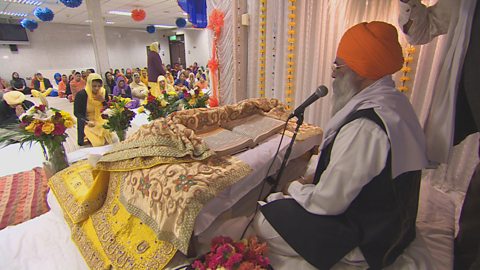
Taking Amrit. video
Two Sikh boys called Taren and Jovan join the Sikh Khalsa by taking part in the special Sikh ceremony, which is called taking Amrit.
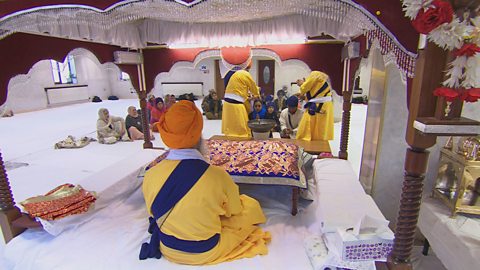
The Five Ks of Sikhism. video
Two Sikh boys called Taran and Joven explain the five Ks that they wear as members of the Sikh Khalsa.
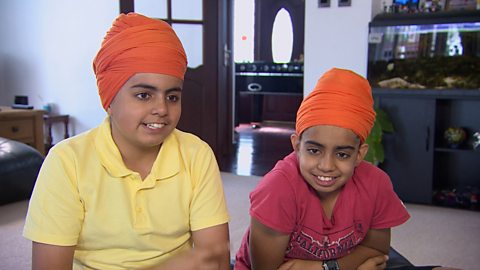
The Gurdwara. video
Simran, aged 11, describes the Sikh place of worship which is called the Gurdwara.
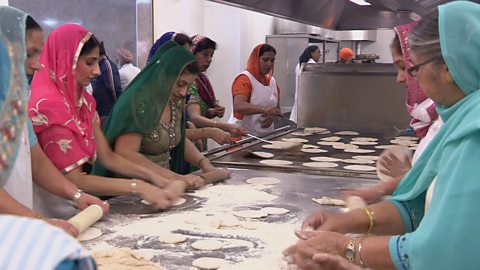
The Guru Granth Sahib. video
Simran, aged 11, explains the importance of the Sikh holy book, the Guru Granth Sahib.
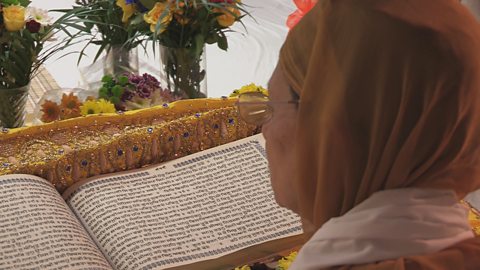
The Khalsa. video
Simran, aged 11, tells the story of the founding of the Sikh Khalsa 300 years ago.
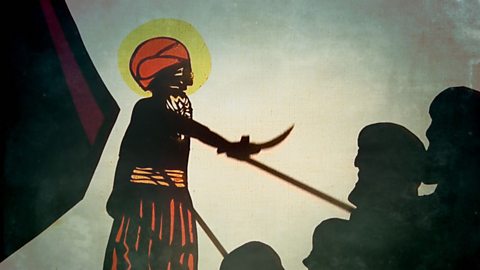
The Ten Gurus. video
Simran, aged 11, explains who the Ten Gurus are and why they are important to those who follow Sikhism.
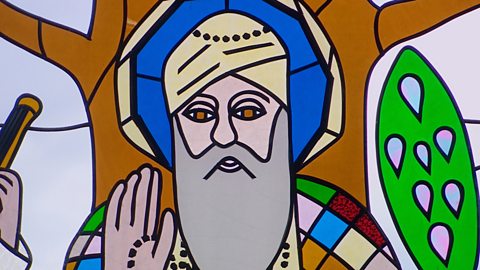
Life as a young Sikh girl. video
A young British Sikh introduces herself, her family and some of the main beliefs of her religion.