|

| |
The History and Future of the UN
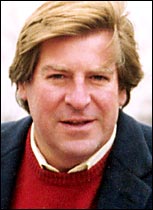 Kofi Annan is famous for his equanimity, but no one in his job could have endured the roller-coaster of UN fortunes over the past year without experiencing some powerful emotions. Kofi Annan is famous for his equanimity, but no one in his job could have endured the roller-coaster of UN fortunes over the past year without experiencing some powerful emotions.
I spoke to him in early August. He was frank about his bleak feelings in the spring when the Security Council divisions over Iraq threatened to torpedo everything he had been working towards. He was also confident that the tough reality America had encountered since the formal end of the war in Iraq in May was bringing the UN's most powerful member back within the fold; "in a way", he said, "Iraq has more or less driven home to leaders around the world that the UN is a precious instrument".
Twelve days later a suicide bomber rewrote the script all over again; the attack on the UN headquarters in Baghdad on August 19th caused the greatest single loss of life in the UN's history.
When the heads of government and their foreign ministers meet in New York this month for the General Assembly they will reflect on what has been perhaps the UN's most tumultuous year since it was set up in 1945.
It began with George Bush's ringing challenge; "All the world", he said in his speech to last year's General Assembly, "now faces a test, and the United Nations a difficult and defining moment…Will the United Nations serve the purpose of its founding or will it be irrelevant?".
That was followed by the weeks of diplomatic haggling that led to Resolution 1441, the drama of the weapons inspectors' return to Iraq and the theatre of Hans Blix's appearances before the Security Council, the unseemly bickering over a second resolution on military action and the acrimonious collapse of the attempt to reach a consensus among the world's big powers.
Those I spoke to all had different verdicts on this extraordinary period. The Foreign Secretary, Jack Straw, said he was "surprised and saddened" by the way some of his colleagues on the Security Council acted.
France's UN ambassador, Jean Marc de la Sabliere, regards it as a vindication of his government's position; "the international community refused to authorise the use of force", he told me.
His German counterpart, Dr Hans Pleuger, steadfastly rejects the conventional wisdom which says the UN was damaged by what happened; "I have always fought against the myth that the Iraq war was a failure of diplomacy and a failure of the Security Council". Everyone has their own version of the way the way the history of the last twelve months will be written.
But it is now a matter of record and not interpretation that Kofi Annan was right when he predicted that the United States would be driven to seek UN legitimacy by the reality it faces in Iraq; America is now actively seeking a resolution to give the UN a more prominent role there - the price the United States will have to pay for persuading other countries to share the burden of keeping the peace.
That should have prompted rejoicing in the corridors of the UN headquarters in New York - it was a recognition of the value of the institution after all the questions raised by events in the spring.
But the suicide bomb attack in Baghdad - the first time the UN has been the target of this kind of terrorism - changed everything. "It cannot", says Sir Kieran Prendergast, the former British diplomat who now serves as Kofi Annan's closest political adviser, "be business as usual".
Suddenly the UN feels relevant again - at just the moment it is suffering from an entirely understandable but potentially debilitating attack of self-doubt.
| | | |
| |
| | |








 Listen