Male infertility: Five reasons why sperm counts dey reduce globally
Wia dis foto come from, Getty Images
- Author, Andre Biernath
- Role, BBC World Service
- Published
Di concentration of sperm wey men dey release during ejaculation don drop by 51% ova di past 50 years.
Dis na one of di main findings of one research dem recently publish for Hebrew University of Jerusalem wey dem carry out for Israel and for di Mount Sinai School of Medicine, for di United States.
Di researchers calculate say for di 1970s, men get 101 million reproductive cells per millilitre of semen, on average. Dat figure don since drop to 49 million.
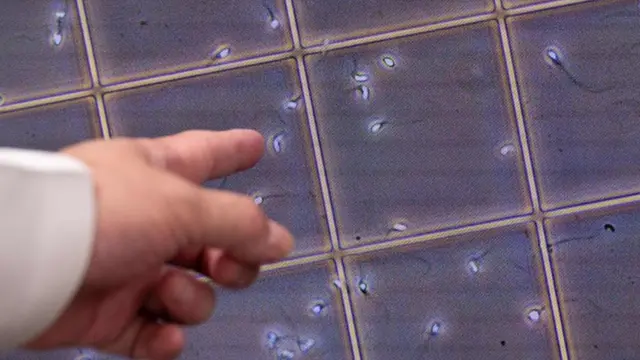
In addition to quantity, evidence also point to reduction for di quality of male gametes: di percentage of cells wey fit enta di egg don also fall significantly in recent decades.
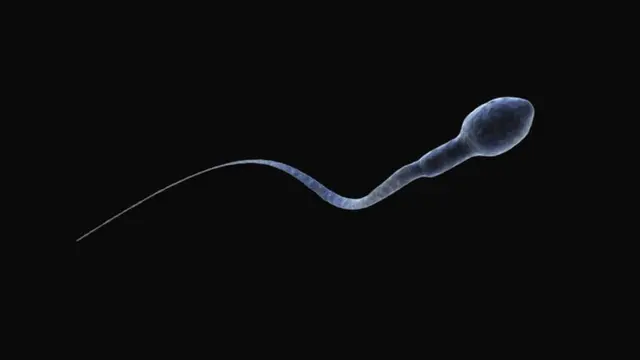
"Di most striking tin we see na di loss of sperm movement. Without dis attribute, di ability to fertilise don reduce," urologist and andrologist Moacir Rafael Radaelli, vice-president of di Brazilian Association of Assisted Reproduction observe.
Dis situation of constant decline don sound alarm bells among health professionals.
"E dey worrying, becos we don see how dis deterioration take dey increase and we no sure wia e go end." Eduardo Miranda, coordinator of di Department of Andrology of di Brazilian Society of Urology tok.
Plus di rate at which men dey lose dia sperm don rise in recent years. According to di same work dem carry out for Israel and USA, between 1970s and di 1990s, di concentration of gametes fall by 1.16% a year.




End of Di one wey oda users dey read well well
But starting for di 2000s, dis rate increase go 2.64%. In oda words, e pass double.
And dis gbege na global wahala: scientists don observe reduction for di gametes for men on all continents, although di numbers high well-well for Europe, Africa, and Central and South America.
But wetin dey behind di phenomenon? Experts point to at least five causes. Di good news na say ways dey to reverse or manage dem.
1. Obesity
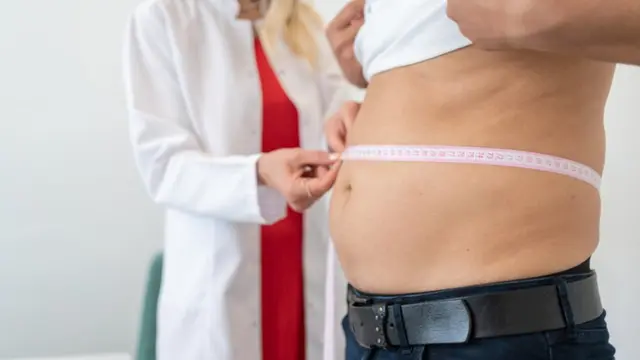
Extra kilos of sperms dey cause harmful changes to spermatozoa.
Di growth of adipose tissue, wey dey store fat, dey release inflammatory substances wey dey directly affect testosterone, one of di most important hormones for di production of male gametes.
Wia dis foto come from, Getty Images
Miranda point out say overweight dey also generate so-called oxidative stress, one process wey dey harm various cells for di body.
"Plus, pipo wey be obese get plenty fat for di genital region, and e no good for di spermatozoa," di urologist tok.
Di testicles, wey dey manufacture and store reproductive cells, need to dey between 1C and 2C below di body temperature to fit function well - dat na why di scrotum dey outside di body.
Dis increase in fat dey heat up di reproductive organs, and e go make am to stop to dey work.
Di World Health Organization (WHO) calculate say 39% of men dey overweight and 11% be obese all over di - one statistic wey don help explain dis reduction for di proportion of spermatozoa ova di last five decades.
2. Substance abuse
Alcohol, tobacco, vaping, marijuana, cocaine, anabolic steroids… You know wetin all dis drugs get in common? All of dem dey affect di health of male gametes.
"Some of dis substances dey directly damage di cells wey dey produce sperm," Miranda add.
Odas na indirectly, dem go affect di production of hormones wey dey responsible to ginger di work of di testicles.
Di most cited example among experts na dat of testosterone replacement through pills, gels and injections, wey dem dey use anyhow as way to gain muscle.
"Dis na market wey don grow well and alarmingly in recent years,"Radaelli warn.
Di doctor explain say wen dis hormone dey replaced for no obvious reason, di body go understand say e no need to produce am naturally again.
As a result, di testicles fit even shrink and di sperm count for di semen go be zero, inside one condition wey dey known as azoospermia.
3. Sexually transmitted infections
Diseases like chlamydia and gonorrhoea, wey bacteria dey cause fit cause inflammation for di epididymis.
Dis structure dey connect to di top of di testicles and e dey responsible for storing sperm.
Any issue dia go pose risk to di survival of di gametes.
Di WHO estimate say for 2020 alone, 129 million new cases of chlamydia and 82 million of gonorrhoea na im dey among men and women. Dis rate don dey stable or don increase in recent decades.
Radaelli add di third pathogen to di list: di human papillomavirus, wey also dey known by di acronym HPV.
4. Computer on lap
As di testicles need to stay between 1C and 2C below di temperature of di rest of di body, studies published in di last decade reveal say di habit of working with a notebook on your lap represents additional risk for di gamete factory.
Dat na becos di device battery heat up - and it may end up "cooking" di sperm.

Wia dis foto come from, Getty Images
Miranda points out say oda habits related to higher temperatures also pose risks to reproduction - long, hot baths or saunas, for example.
Den di issue of technology - di doctor cite di possible negative effects of electromagnetic waves, telephone signals and even wireless internet.
"In experimental studies carried out for di laboratory, elements such as wi-fi and electromagnetic waves dey affect spermatozoa," e tok.
"But it is still not possible to dey sure weda dis technologies really damage dis cells," e tok.
5. Endocrine disruptors
Finally, specialists draw attention to a series of toxic compounds wey dey known generically as endocrine disruptors.
Di list include pollutants wey dey detected in di atmosphere, as well as plastics and pesticides.
Dis molecules get a structure very similar to di hormones in our body, and so manage to fit into cell receptors and trigger unwanted processes.
One of dis developments wey dey detected in recent studies appear to affect male fertility.
"But we still no know for sure di extent of dis problem and many studies dey in progress to determine dis," Radaelli tok.
Na infertile world?
In addition to di environmental and behavioural factors behind di drop in sperm, dey be two key issues wey also contribute to di phenomenon.
Di first of dis na genetics. E dey estimated say between 10 and 30% of cases of difficulty having a child get to do with a problem in di male DNA.
Wia dis foto come from, Getty Images
Di second dey related to ageing and di fact say men dey hope to become fathers later and later for life.
"We know say di fertile capacity dey reduce throughout life. Although di reduction in men no dey as pronounced as e dey for women, reduction in hormones dey wey dey important for di manufacture of gametes," e explain.
If we consider say sperm counts don drop 51% in 50 years and di rate at which dis dey happun don increase in di last two decades, dis number fit get closer and closer to zero?
Afta all, if dis rate of decline continue for di current levels, by 2050 di concentration of reproductive cells for semen go practically be zero.
But Miranda no tink say dis doomsday scenario go happun.
"Di tendency na for di situation to get worse, but at some point, dis process go stagnate and we go reach a plateau, perhaps wit di help of new technologies," e predict.
Wia dis foto come from, Getty Images
Wetin to do?
Men wey wan get pikin fit increase dia chances of success by making some lifestyle changes to reverse any damage wey don happun to dia testicles.
For example, dem fit lose weight through a balanced diet and regular physical activity, and cut down or cut out alcohol, cigarettes and oda drugs completely.
If sex na fun tin for dem wit occasional partners and plan to get belle no dey, e dey advisable make e dey use condom to avoid infections like chlamydia and gonorrhoea.
Individuals wey take di HPV vaccine for early adolescence also dey more protected from dis virus and di repercussions e dey cause on di body.
If, even afta all dis lifestyle changes, e still dey difficult for di man to give woman belle, e dey advisable to see doctor.
According to national and international guidelines, di time to seek specialist help depend on di woman age.
"If she dey under 35 years old, make di couple try get pikin for up to one year, wit regular sexual intercourse around three times a week and monitoring of di fertile periods," according to Miranda.
Now, if di partner don pass 35, and difficulty dey for her to get belle afta six months, e suppose already don be warning signal.
Dis na because di reserve of eggs from dat age go don begin fall more quickly - and a delay of 12 months to find answers fit represent a crucial waste of time, doctors tok.
"Di investigation go need involve di couple to discover possible causes and indicate di best treatments," Radaelli explain.
If na di man be di problem, specialists dey usually prescribe vitamin supplements wey dey rich in antioxidants, to help protect di testicles.
E dey also necessary to regulate hormones through supplementation.
"And, of course, e dey possible to treat some of di diseases wey be di origin of di problem through medication and surgery," Miranda tok.
"Dem fit treat Bacterial infections wit antibiotics and anatomical defects for di reproductive system wit surgical interventions," e conclude.
As a last resort, di couple fit use assisted reproduction techniques, like in vitro fertilisation.