Wetin we don learn about fake news for Africa

Wia dis foto come from, AFP
Pipo dey let dia mind lead dem, wen e reach to share news, di BBC research project Beyond Fake News don find.
Fake news dey make some pipo not to believe tori wey be true, becos e dey reduce trust.
Researchers analyse fake news messages for private networks like WhatsApp and Facebook, and survey pipo for Nigeria, Kenya and India.
Di study also help us understand di relationship between fake news and ogbonge politics for digital networks.
Why fake news mata?
- E dey comot trust
- E dey divide community
- Na threat to wetin be true
- E dey like poison for mainstream media - pipo dey look all di same way
- Pipo no go fit make decision well based on facts
- E dey like poison for public discussion
- E no good for health
- For wia e worse, e dey pour fuel for hate speech, and fit lead to katakata and death
- E dey scata democratic processes
Why pipo dey fall mugu for fake news?
Many pipo dey overtink say dem fit spot fake news, BBC find out wen dem speak to social media users for Nigeria and Kenya.
Although many pipo sabi wetin go fit happun wen dem share fake news, dia understanding no deep well well. Researchers find di link between lie-lie and tins like magomago for election and democracy dey too deep for some pipo to understand.
Pipo dey let emotions take over dia head wen e come to share tori, di team find. "Afta I watch di news, e touch me sotey I get to post am," one pesin for Nigeria tok.
Nigeria and Kenya get pipo wey no too sabi digital media, researchers find out especially for rural areas, wia dem dey see Facebook as internet and tins wey dem see dia as "true".


End of Di one wey oda users dey read well well
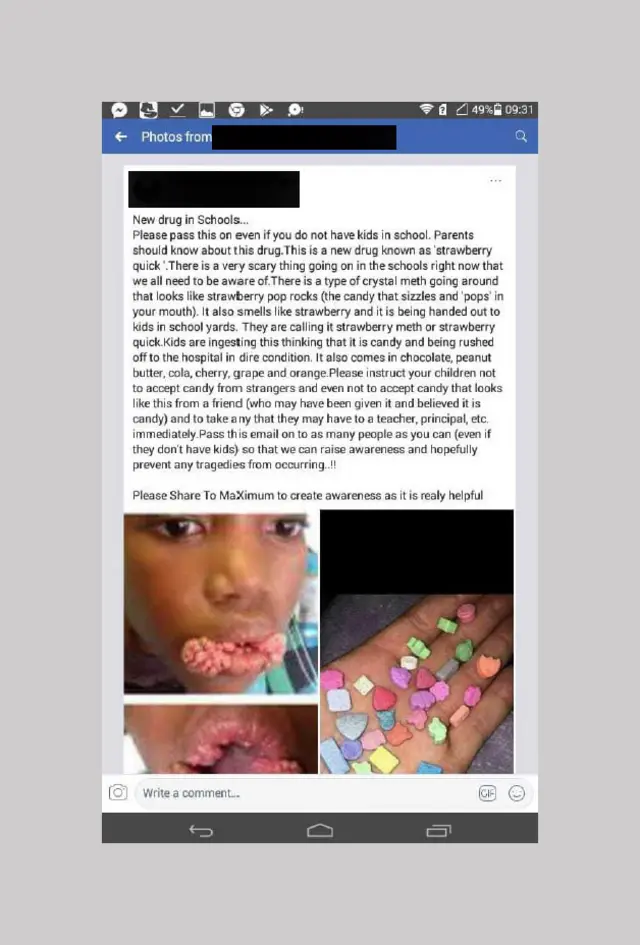
But Nigerians and Kenyans beta pass Indians wen e come to cari dia hand check weda tori na true, wey dem dey do through search engines like Google or to ask oda pipo.
Some fake news hard to find pass oda ones.
Users dey really torchlight tori especially if e concern political updates for Nigeria, dan dem go do if na good tori about dia identity. E fit be tori about ethic identity for Kenya for example, or tori about local politics like di Niger Delta wey get oil for Nigeria.
But young pipo no too focus on ethnic and religious tins like di generations before dem, so dat no go too ginger dem to share fake news.
Wetin be oda reasons why pipo dey share fake news?
Pipo dey care about who send di tori to dem, dan wia e come from. Dem fit trust say tori na true becos di pesin wey send am na pesin wey dem trust to share correct news.
To be di first to share tori within group of friends, to show odas say you be pesin wey sabi and make dem begin tok, dey make social media users feel good. Sometimes pipo go rush to share informate wey dem no even know if na true.
To read hard, but to share dey easy. Researchers find out say most pipo no dey read dia online news deep or tink am wella, and many go share tori based on di headline or pishure without having to read di tori well well by demsef.
For some pipo, na duty dem suppose do. Dem go share informate no mata how e be, becos dem wan warn and update others. "Maybe e get pesin wey no know about am and [I share di tori] to avoid somtin like dis to happun to my friend, " pipo wey dem survey for Kenya tell BBC.


How I fit take spot fake news?
If you no sure weda tori na true, fact-checking website Africa Check na good place to start.
Africa Check and odas dey work to create tori for pipo to get accurate info. But di speed to take check fake news or lie-lie fit be challenge.
Remember say di comments sections of tori pipo and Facebook no be wetin you fit trust becos na place wia fake news get strong leg.
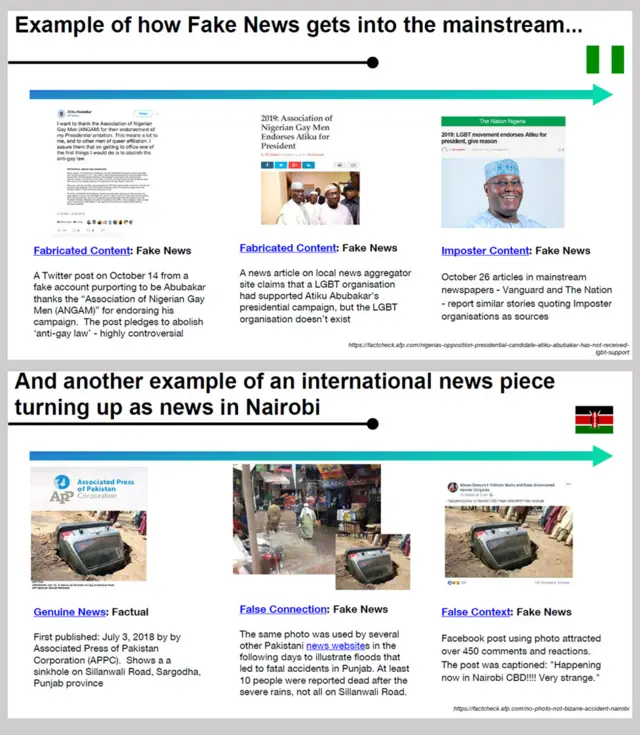
Di researchers use two examples to show how fake news take dey start and spread:
- One tweet wey tok say gay rights association wey no dey really exist, don stand gidiba for di election campaign of opposition leader Atiku Abubakar land inside mainstream newspapers for Nigeria
- One pishure of moto wey dey fall inside hole for Pakistan, one pesin for Facebook copy am, say na for Nairobi.
Wetin fake news investigation find?
Pipo fear and wetin dey dia mind dey come out through fake news messages.
For Nigeria wia almost 19% of pipo no get jobs, employment wayo make up 6.2% of fake news tori wey dem share for WhatsApp.
About 3% of fake news wey dem dey spread for WhatsApp concern terrorism and di army, wey dey show Nigerians dia fears about gbege Islamist militants don cause.
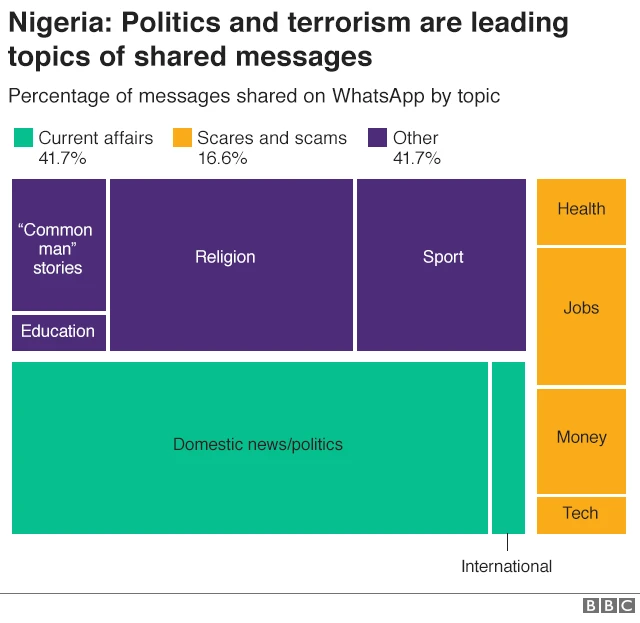
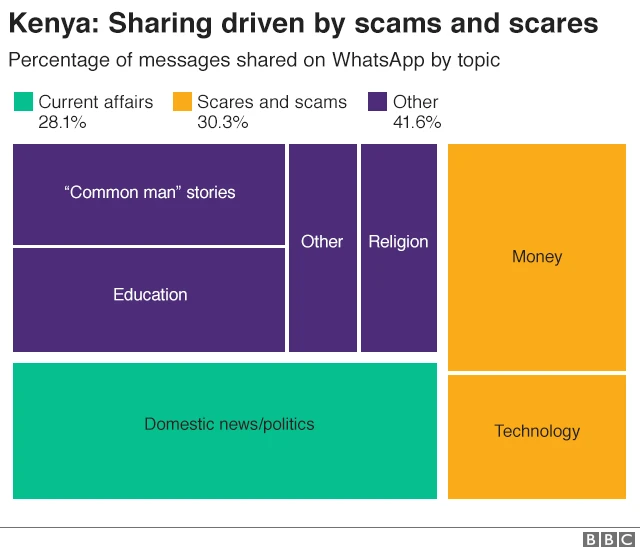
Pipo wey dey use Facebook struggle to know di difference between fake news and correct news for dia timeline, di BBC team find wen dem analyse Facebook advertising data by users' interests.
How dis lie-lie and spread of fake info dey for private and public networks?
Dat na wetin BBC Beyond Fake News project wan find out.
So far dem don use big data to analyse 8,000 news articles for Kenya and Nigeria, analyse 3,000 Facebook pages and interests, and do interviews wit 40 pipo for di two kontris, and torchlight sample of more than 2,000 messages.
Kenya and Nigeria social media users tell BBC say dem believe say lie-lie tori and fake news pipo dey write am for digital platforms to make money.
But dem tink say television news hard pass to fake becos e no dey "faceless" and involve ogbonge production methods.

Dis tori na part of series by di BBC on lie-lie and fake news.
To see more tori and learn more about di series visit www.bbc.co.uk/fakenews