Why women dey get more and worse migraines dan men: expert explain
Wia dis foto come from, Getty Images
Migraine na anoda level of headache, e serious pass di normal headache, na disorder wey dey weaken di nervous system.
Pipo wey get migraines dey experience pounding pain, especially for one side of di head.
Di pain no dey come alone o, di feeling of sickness , vomiting and extreme sensitivity to light or sound dey escort am come.
Migraine attack fit last for hours or days, and to reduce di suffering, some pipo dey spend time alone for quiet place like dark rooms.
About 800 million pipo for di world get migraines. For di United States alone, about 39 million pipo, approximately 12% of di population, dey suffer from migraines on a regular basis.
For women wey dey between 18-49 years, migraine na di leading cause of disability for di world.
Wetin again, research show say women dey get more migraines wey dey disorganise dem.
Migraines for women dey also last longer dan men own. Women dey more likely dan men to seek medical care and drugs to treat migraines.




End of Di one wey oda users dey read well well
Women dey more likely dan men to seek medical care and drugs to treat migraines.
And women with migraines fit get more mental health problems, including anxiety and depression.
According to one board-certified neurologist wey specialise for headaches mata, Di gender differences wey i find for migraine dey surprise me. And, some of di reasons for dis differences fit surprise you.
Migraines and hormones
Wia dis foto come from, Getty Images
E get plenti factors wey explain why men and women experience migraine attacks differently.
Some of di factors include hormones, genetics and how certain genes dey go off and on - one area of study wey be epigenetics - and di environment.
All of dis factors dey play a role in shaping di structure, function and adaptability of di brain wen it comes to migraines.
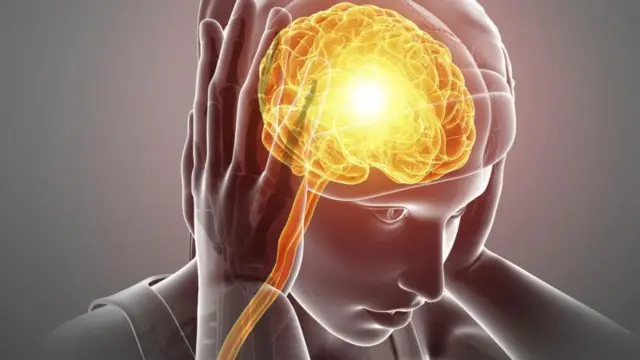
Di hormones oestrogen and progesterone, thru various mechanisms, get role wey dem dey play to regulate many biological functions.
Dem dey affect various chemicals for di brain and fit contribute to functional and structural differences for specific areas of di brain wey get hand for di development of migraines.
To add to di factors , sex hormones fit change di size of blood vessels sharp sharp wey fit expose pipo to migraine attacks.
For small pikin dem, both boys and girls get equal chance to likely develop migraines.
E dey estimated say about 10 per cent of all children go get migraine at some point.
But wen girls reach puberty, dia chance to get migraines dey increase.
Dis na sake of di levels of sex hormones wey no dey stable sake of say dem dey go up and down.
One of dis hormones na mainly oestrogen, e dey associated wit puberty, even though oda hormones including progesterone, fit get hand inside.
Some girls get dia first migraine around di time of dia first menstrual cycle.
But migraines get chance to dey more frequent and serious during di reproductive cycle of a woman and during childbearing years.
Researchers estimate say between 50% and 60% of women wit migraines dey also experience menstrual migraines.
Dis migraines dey happun days before or during menstruation, wen reduce levels of estrogen fit trigger migraines.
Menstrual migraines dey dey more serious and e dey last longer dan migraines for oda times of di month.
One set of drugs wey enta market for di 1990s - di triptans - dey commonly use treat migraines.
Dem fit use some triptans specifically to treat menstrual migraines.
Anoda category of drugs, wey dem call non-steroidal anti-inflammatory drugs, also dey effective to reduce di discomfort and duration of menstrual migraines.
Di same na true for birth control methods, wey dey help keep hormone levels stable.
Migraines wit aura
But women wey get migraines wit different atmosphere and character dey experience different type of migraine.
Make dem generally avoid to use hormonal contraceptives wey contain oestrogen.
Di combination fit increase di risk of stroke sake of oestrogen fit increase di risk of blood clots.
Birth control options for women wey get migraines wit aura include progesterone-only birth control pills, Depo-Provera injections (di brand name of a synthetic variant of progesterone) and intrauterine devices.
Migraines wit aura affect about 20% of pipo wey get migraines. Typically, before di migraine, di pesin usually dey see black dots and zigzag lines.
Less commonly, about 10% of di time, dem no fit tok clearly, or tingling and weakness on one side of di body.
Dis symptoms dey increase slowly, e dey usually last less dan one hour before e go disappear, and headache go follow.
Although dis symptoms resemble stroke own, di aura fit dey occur slowly, over a few minutes, while di stroke dey occur immediately.
E fit dey difficult and dangerous for pesin wey no get medical knowledge to try to differentiate between di two conditions, especially for di midst of an attack, and determine weda na migraine wit aura or a stroke.
If you no dey sure of wetin dey happun, di wisest tin to do na to call emergency services.
Migraines during pregnancy and menopause
For women wey get belle (pregnant) migraines fit dey make dem dey very weak during di first trimester, wen morning sickness dey common, and e go make am dey difficult for dem to eat, sleep or take water.
E worse, wen dem skip any of dis tins, e fit make migraines more likely.
Di good news be say migraines generally don dey become less severe and less frequent during di rest of pregnancy.
For some women, dem go waka comot, especially as di pregnancy dey progress.
But, for di pipo wey dey get am during pregnancy, migraines fit increase afta delivery.
Dis fit be as a result of di hormones wey dia levels dey reduce, as well as lack of sleep, stress, dehydration and oda environmental factorswey dey linked to caring for di baby.
Migraine attacks fit also increase during perimenopause, di transitional phase towards menopause.
Again, na di shaky shaky hormone levels, particularly oestrogen, wey dey trigger dem, along wit di chronic pain, depression and sleep problems wey fit occur during dis period.
However, as di menopause dey progress, di migraines go dey reduce. For some cases, dem dey disappear completely.
In di meantime, plenti treatments dey wey fit reduce both di frequency and seriousness of migraines during menopause, including hormone replacement therapy.
Hormone replacement therapy contain female hormones and dem dey use am to replace di ones wey di body dey produce less of during di transition or after menopause.
Migraines for men
Di frequency and serousness of migraines dey increases small for men from di age of 20. E dey reach highest level around di age of 50, den decrease or disappear togeda.
Dem neva known exactly why e dey happen like dat, but combination of genetic factors, environmental influences and lifestyle fit contribute to di increase.
Researchers still get much to learn about why women and men suffer from migraines.
To close di gender gap for migraine research no dey only empower women, but also advance knowledge of di condition as one whole and e dey create one future wia pipo fit manage migraine better.