PMDD di condition wey pass menstrual pain wey women dey endure

Wia dis foto come from, Getty Images
E dey affect di health of up to 8% of women and e dey linked to outbursts of violence, but premenstrual dysphoric disorder, or PMDD - pipo no too understand am.
Na im make Christine Ro dey ask why.
As a 30-year-old, Caroline Henaghan dey very busy. She bin dey work for UK Home Office while training to be a barrister, and come dey wonder if di frequent stress and anxiety she dey experience na just products of overwork and say she don dey old.
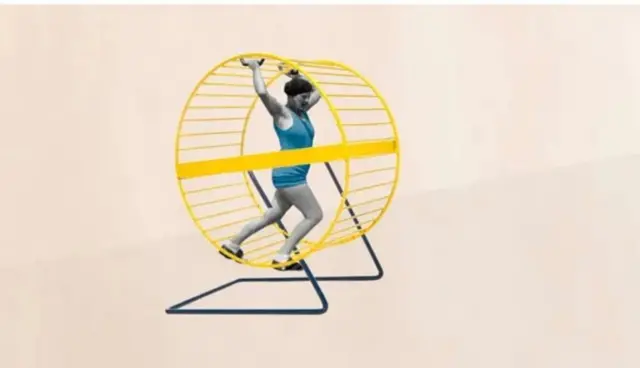
“E feel like wen pesin dey on top hamster wheel and e no fit comot,” she recall.
Eventually work come dey too much and she take one kain short leave of absence.
But Henaghan mood no improve. She dey wake up each morning wit serious anxiety, wey come lead to social withdrawal.
“I go essentially do a disappearing act so I no go dey around pipo,” she tok. She no ever dey suicidal, she stress.
But she bin fantasise about leaving tins behind. “E dey like a case of if I go go to sleep and never wake up. Dat na how dramatic e bin dey for me.”




End of Di one wey oda users dey read well well
Though di psychiatric symptoms bin be di strongest, e get some odd physical patterns as well.
Henaghan go add weight and tire well-well, sleep excessively, and – as ogbonge gardener wey she be – shop any how, like she go buy plants wey dey out of season. Her family notice her increasingly strange behaviour as well.
She bin think say e fit be bipolar disorder, given di cyclical nature of her ups and downs. For instance, she fit spend two weeks each month to correct di damage from di previous week: di fights wit loved ones, di untidy home, di slips at work.
Eventually, afta wetin she call a “mini-breakdown”, she realise say di recurrence of all dis symptoms dey linked to her menstrual cycle.
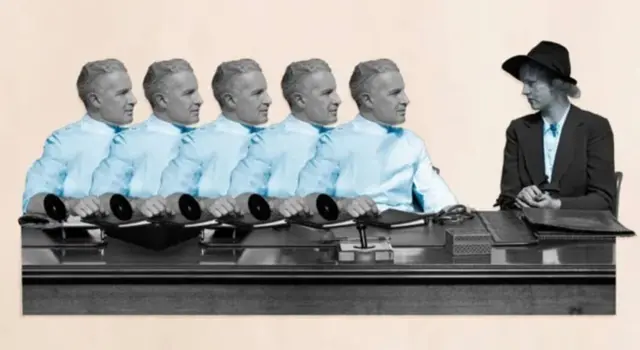
Her doctors dismiss her concerns. She visit five GPs, all na men -afta di first one comment say: “Oh, na just PMS. My wife sef dey get am.”
But e no be “just” premenstrual syndrome (PMS). Henaghan gatz to do wetin many women wey dey overlooked by di medical establishment do: her own research.
Through her online study, she learn about a condition dem call premenstrual dysphoric disorder (PMDD).
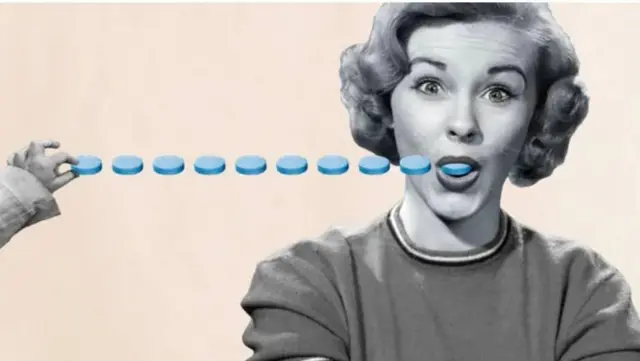
PMDD dey much more intense dan im popular relative wey pipo sabi, PMS, wit physical symptoms wey include fatigue and migraines, while di psychological symptoms fit include severe mood swings and anxiety wey suffer Henaghan.
Di disorder fit dey so bad dat 15% of those wit PMDD don attempt suicide, and some young women wey dey affected dey opt for hysterectomies.
Wia dis foto come from, Getty Images/Javier Hirschfeld
Henaghan na one of dem. Wen she come finally dey diagnosed wit PMDD by a specialist, unusual experiences she bin don dey get since she begin mature finally come dey make sense.
Henaghan try oestrogen therapy (wey no help) and high doses of progesterone (wey try help small). Afta dem hospitalise her sake of say she dey behave anyhow, she approach her doctor about having a total abdominal hysterectomy and bilateral salpingo oophorectomy (dat na di removal of di ovaries and fallopian tubes).
“E bin dey very open and willing to acknowledge my own experiences,” she tok. So in 2015, at di age of 36, she do di surgery, and e bring early menopause.
Di menstrual cycle fit affect di brain in both positive and negative ways as women hormones dey fluctuate.
E fit make dem more anxious and irritable at certain points but also improve dia spatial awareness and communication skills.
Various studies indicate say PMS, di symptoms some women get in di week or two before dia period, dey at least partially influenced by genetics and e fit dey passed on from mothers to dia daughters.
And research wey dem publish in 2017 also find unusual gene expression in pipo wit PMDD wey dey make dem unusually sensitive to oestrogen and progesterone.
“PMDD ultimately na cellular genetic malfunction wey dey respond to hormone changes, and e suppose dey treated as di serious medical condition wey e be,” na so Tory Eisenlohr-Moul, wey dey study women mental health for University of Illinois at Chicago tok.
Wia dis foto come from, Getty Images/ Javier Hirschfeld
Togeda, dis don mean say pipo no dey too pay attention to PMDD despite di severe effect e dey get on those wey dey suffer from am.
And a surprising number of women dey affected. While estimates different, some suggestions dey say PMDD dey affect 3-8% of women of reproductive age – dat na millions of women worldwide.
But now, e get a growing recognition of PMDD, and di mixed attitudes wey dey surround am in popular culture.
Megan Abbott latest novel 'Give Me Your Hand' centre on a group of researchers wey dey convince say not only say PMDD dey exist, but dem also don uncover di mechanisms wey make dem famous. As di narrator explain about PMDD:
“At di worst, e dey lead women to self-destructive acts. Or destructive ones. For di lab, we don hear di horror stories: Women under am dey hit dia boyfriends for head wit frying pans, some dey even jam dia children teacher cars for school parking lot. Road rage, baby shaking, worse.”
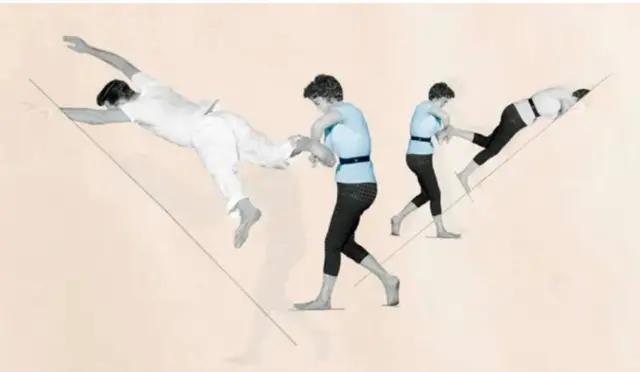
Dis description of PMDD na reflection of some real-life cases wia dem don use extreme premenstrual issues in defences for criminal courts.
Menstrual issues don lead to acquittals in shoplifting cases dating back to di 19th Century. Dem also don raise am for some cases of arson, forgery, child abuse and, in di most extreme cases, murder.
Care dey neccesaary so as not to overstate di possible aggression wey dey associated wit premenstrual issues – one lawyer estimate say if all violent crimes wey women dey commit in di US fit dey attributed to PMS.
E go still mean say no more dan 0.1% of pipo wit PMS dey commit violent crimes.
Wia dis foto come from, Getty Images/ Javier Hirschfeld
Wia dis foto come from, Getty Images/Javier Hirschfeld
A chapter of Women and di Law in Australia comment say most medical experts agree say for a small minority of women, PMDD symptoms fit lead to criminal actions.
But just like di diagnosis itself, di legal application of PMDD dey contested, and e depend on di locations.
To diagnose PMDD, a doctor go need two months of daily records, in order to show di periods of di symptoms, according to Eisenlohr-Moul.
Symptoms gatz to show an on/off pattern, starting one to two weeks before di period, for am to dey diagnosed as PMDD.
For many women, however, establishing PMDD no be about lawyers and clinicians.
Pipo wey dey suffer am demsefs often dey unclear about weda dem get PMDD or not. Eisenlohr-Moul say “really high false-positive rate” really dey, as pipo use PMS/PMDD as a catchall category for mysterious symptoms.
Watever go happen in di future, Eisenlohr-Moul believe say e go dey possible to both recognise di severity (and rarity) of PMDD, and dismantle tired jokes and sexist misunderstandings about PMS.
“We no need any more sitcom episodes about PMS and di idea say all women get am ,” she tok.
Wia dis foto come from, Getty Images/ Javier Hirschfeld
Eisenlohr-Moul dey contribute, for instance, as she dey work on one app wey go make am easier to automatically track and diagnose PMDD symptoms.
And organisations like di International Association for Premenstrual Disorders dey raise awareness of di condition. As dat recognition dey grow, e mean say more women wey dey suffer from di condition fit get di help wey dem need.
A few months following her operation, Henaghan symptoms fade away.
“I dey back to being di Caroline I bin be before I start to suffer from PMDD symptoms,” she tok as she happy.
She just complete a PhD for University of Manchester, wey bin no dey possible if she bin still dey suffer di disorder, she tok.
She hope say eventually, more GPs, endocrinologists and gynaecologists go dey familiar enough wit PMDD so dat pipo wey dey suffer am no go get di same experience she get, of being afraid, of being labelled hysterical, or being pushed away with leaflets about PMS.