'E for beta say dem kill me': Di forgotten war wey dey destroy women lives
Wia dis foto come from, Klawe Rzeczy
- Author, BBC World Service
- Read am in 8 mins
Warning: Dis report get descriptions of rape and sexual violence. We change di names of victims and omit identifying details also to protect dia privacy and safety.
Enat bin dey house with her eight-year-old niece wen di soldiers come one Sunday morning, she tok.
Di Ethiopian army bin dey search homes for di Amhara region on 5 January dis year, as part of a crackdown on a growing rebellion wey dey launched by local militias known as Fano.
Enat say three men, wey wear army uniform, enter her home for South Gondar and begin ask questions about her family background and weda Fano fighters bin don visit di beer hall wia she work.
Enat, 21, say dem ask.
"How we go lie? How we go hide di truth?" Enat tok, Fano - Amharic word wey translate somehow to volunteer fighters - dey made up of locals.
Tins quickly escalate.
After dem ask questions about her family background, Enat say di soldiers begin insult her, den threaten her niece wit gun wen di little girl start to cry.
Enat say one of di soldiers come rape her in front of her niece while di odas keep guard.
"I beg dem not to hurt me. I call on di saints and beg dem. But dia hearts no pity me. Dem violate me."
Thousands of reports of rape and assault
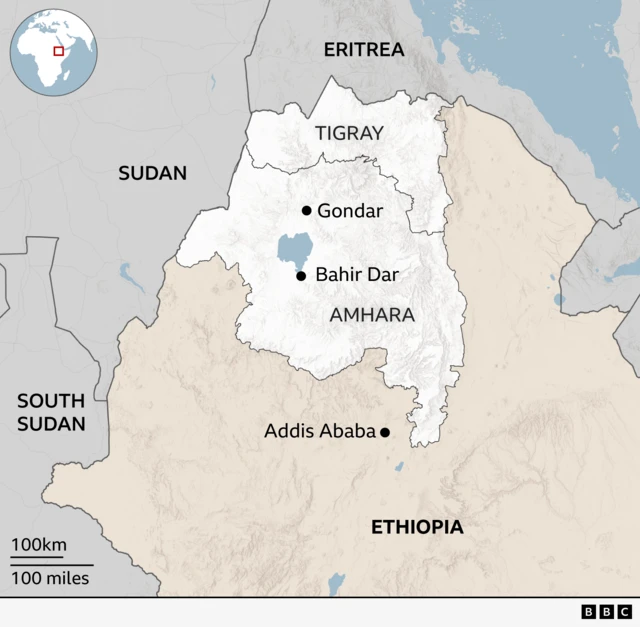
Enat, wey come from di Amhara ethnic group, di second largest in Ethiopia, dey among thousands of women believed to don dey sexually assaulted and raped since di conflict between di Ethiopian army and Fano start for August 2023.
Sexual violence for di region dey largely undocumented, but BBC don collate data wey show thousands of reports of rape between July 2023 and May 2025, wit victims as young as eight and as old as 65.
While restrictions don prevent independent media from entering Amhara to cover di conflict, BBC team for Nairobi, for neighbouring Kenya, manage speak to women and doctors for di region, and dem give rare insight into di human impact of di crisis.
Di conflict begin wen di govment attempt to disband regional military groups, including di ones for Amhara, wey fight with di army during di 2020-2022 civil war for di next-door region of Tigray.
Fano militias bin feel betrayed by di move and believe say e go leave dem vulnerable to attack from Tigray and elsewis, especially as violence against di Amhara community don intensify, according to rights groups.
In response, Fano launch rebellion, and seize major towns. Dem claim say dem dey fight for regional autonomy and to protect dia communities from marginalisation by di Ethiopian govment.
Di insurgency don result to violent crackdown by di army, wey dey call Fano "radical ethno-nationalists".
Wia dis foto come from, Klawe Rzeczy
Since di conflict start, both sides dey accused of plenti human rights abuses, including extrajudicial killings, arbitrary detentions, forced displacement, destruction of property, looting and widespread cases of sexual violence, including rape.
Rights groups, including Amnesty International, say e get evidence say di army dey somehow responsible for di abuses. Dem also say Amhara pipo for oda parts of Ethiopia dey deliberately targeted by di security forces and oda armed groups.
Bifor di attack, Enat bin never have sex and bin plan to one day marry for her local church for ceremony wey dey conducted in accordance wit di Ethiopian Orthodox Church rites, just as oda women for her family don do.
Such marriages dey among di most revered traditions of di Amhara pipo, wey mostly be Orthodox Christian, but e require say couples go remain "pure" and no get any sexual contact until marriage.
"Bifor dat day, I never know man," she tok.
“E for beta say dem kill me."
'My family find me unconscious'
Tigist, 18, from West Gojjam, also for di Amhara region, bin dey work for her family small, traditional teahouse bifor di attack.
She describe how, for January 2024, one soldier wey be regular customer grope her. She say she reject am - act she believe say lead to di attack.
Later dat evening, as she dey return home from work, she say three soldiers, including di man wey grope her, ambush her for street and gang-rape her for di pavement.
"My family find me unconscious for di roadside," she recall. "Na dem carry me go clinic, wia I spend five days."
Since di attack, Tigist say she no fit leave her house, as she dey paralysed by fear of men and di outside world.
"My fear dey keep me from going to work... weneva I see soldiers or any men I go panic and hide myself away."
She end up retreating from her life and breaking off her engagement. She say she never tell her fiance why or wetin hapun.
Overwhelmed wit despair, Tigist bin attempt to take her own life, but her family intervene just in time and save her. She say although she don contemplate am since dem, she promise her family say she no go try to kill herself again.
'E dey horrible to be born a woman'
Di BBC collect data from 43 health facilities for Amhara - roughly 4% of all health facilities for di region - and oda medical sources to get a snapshot of wetin dey hn.
For dis facilities, dem get 2,697 reports of rape between 18 July 2023 and May 2025. Children under 18 account for 45% of cases.
Just over half of di victims test positive for sexually transmitted infections (STIs), while many also get belle, with severe psychological trauma.
However, many victims of sexual violence never report di crime or seek treatment, as dem dey fear stigma or to learn say dem don get STI or become pregnant.
For dis reason, one senior health expert, wey tok to BBC on condition of anonymity due to security concerns, say di victims wey come facilities for di Amhara region na only "di tip of di iceberg".
Lemlem dey among those wey never report dia rape or seek medical treatment, as she dey fear to hear say she fit get a sexually transmitted infection, such as HIV.
Di 23-year-old from South Gondar say na govment soldier wey enter her house on 6 January to ask for information, one routine army practice rape her.
She say wen she no give dem wetin dem want, one of di soldiers rape her.
"E threaten me, say: 'If you scream, one bullet dey enof for you,'" Lemlem tok.
"I cry non-stop for a whole month. I no fit eat. All I do na to dey cry. I no fit stand up waka sef. And I come sick."
She say di assault don drive her comot from church, wia she fear say she fit be di subject of gossip.
"E dey horrible to dey born as a woman. Had it bin I be man, dem for beat me and waka comot - dem for no destroy my life like dis," Lemlem tok as she explain how di trauma of di attack don make her feel about being female.
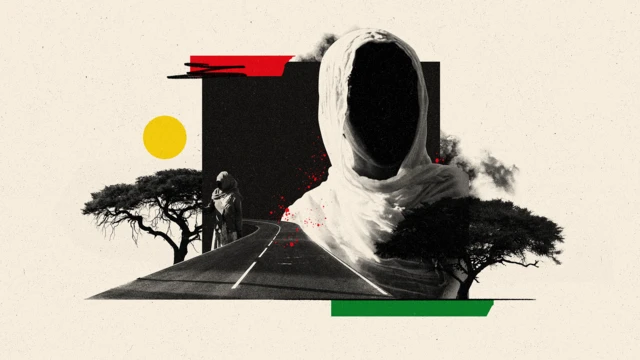
Wia dis foto come from, Klawe Rzeczy
Medics wey BBC tok to say e get a sharp rise in di number of victims of sexual violence wey dem don dey treat since di conflict begin.
"Wen dem come, dem bin dey shake badly, too intimidated even to tok," one medic tok.
Yet those wey even come forward dey reluctant to name dia attackers and rarely seek justice, in part becos di conflict don lead to a breakdown in law and order. Instead, most of di ones wey come seek medical assistance dey come out of fear of pregnancy.
Odas seek treatment long after dem bin dey attacked, by dat point, certain medications for di STIs dem don get, such as HIV, no longer dey effective.
HIV often dey prevented with a treatment called post-exposure prophylaxis, but only if e dey administered soon after sex with someone wey dey infected.
Anoda medic say many victims say dem no fit access treatment promptly due to transport disruption and road blockages caused by di conflict.
One senior medic warn say dem dey fear say public health and social crisis fit dey front dey come.
Based on information health centres don gada, dem say dem don "identify signs say HIV infections fit rise and mental health and psychological problems fit reach catastrophic levels", noting say some victims don attempt suicide.
Figures from Ethiopia health ministry for 2022 show say di HIV rate for di region dey around 1.1 per 100 pipo - higher dan di national average.
While assaults dey carried out by both sides for di conflict, medical staff report say dem see more cases wey involve Ethiopian army soldiers dan Fano militia. One govment employee with access to relevant information, wey agree to tok on condition of anonymity, also say dis na di case.
Most incidents of rape dey reported in urban areas wia di army dey maintain base and get control, however, experts point out say pipo wey dey live for cities get beta access to treatment so dem dey more likely to get help and report attacks.
BBC no fit interview any victim of assaults by Fano fighters due to limited access to places wia di militia dey based.
For June 2024, di UN Office of di High Commissioner for Human Rights report say di Ethiopian National Defence Force, wey include di army, bin commit sexual violence, including against minors, for di Amhara region during di conflict with Fano militia.
BBC ask Ethiopia ministry of defence to respond to di allegations, but despite months of waiting, we never receive any reply.
Repeated BBC requests for detailed information from regional authorities also dey unsuccessful.
One Fano leader, Asres Mare Damtie, tell BBC say di group no dey aware of any involvement by dia fighters, say no accusations dey against dem and dem dey enforce severe punishment, including death, for offenders.
BBC learn say one govment-commissioned investigation led by Ethiopia Bahir Dar University into conflict-related sexual violence against women for Amhara don begin, with findings expected to dey released publicly in di coming months.
For 2021, wen di army and dia allies - wey dat time bin include Fano - face similar allegations over dia conduct for di Tigray conflict, di govment bin condemn di use of rape but dismiss di claims as "biased and flawed".
To date, dem never take or publicly disclose any official action against perpetrators.
Amnesty International don raise concerns over wetin dem believe to be a continuous pattern of impunity for Ethiopia army. "Dia is no meaningful effort to bring perpetrators into justice," na so di organisation regional researcher, Haimanot Ashenafi tok.
"Dem still dey fight, dem still dey out dia with no consequences for wetin dem don do… survivors wey don go through dis kain life-changing experience deserve justice."
For Enat, di consequences of her attack dey far-reaching.
One month after di assault, she run comot from her village to escape di trauma of di attack.
Na dia she learn say she dey pregnant as a result of di rape.
"I start to vomit," she recall.
She bin tink of abortion, wey dey legally permitted for Ethiopia up to 12 weeks into pregnancy if dem rape di woman, but she dey scared.
"I fear God, and I feel for my mother. Wetin go become of her if I die during di abortion?"
She give birth to her daughter for early September after three days of labour.
Despite wetin hapun to her, Enat consider di baby a "gift from God".
But she currently dey live with one relative and dey unable to work as she get to look after her daughter. She dey worry for di future and how she go provide for her child and herself.
"If dis na wetin e be to dey considered to be living, den yes, I dey live ," she add.