BBC expose Indian pharmaceutical company wey dey produce and illegally export opioid wey strong pass tramadol to Nigeria, Ghana and oda West African countries

- Author, BBC Eye Investigations
- Role, BBC World Service
- Published
- Read am in 8 mins
One Indian pharmaceutical company dey manufacture unlicensed, highly addictive opioids and dey export dem illegally to West Africa wia dem dey drive a major public health crisis for countries including Ghana, Nigeria, and Cote D'Ivoire, one BBC Eye investigation don reveal.
Aveo Pharmaceuticals, wey dey based in Mumbai, dey make different pills wey dey go under different brand names and dey packaged to look like legitimate medicines. But dem all contain di same harmful mix of ingredients: tapentadol, one powerful opioid, and carisoprodol, one muscle relaxant wey dey so addictive e dey banned in Europe.
Dis combination of drugs no dey licensed for use anywhere in di world and fit cause breathing difficulties and seizures. Overdose fit kill. Despite di risks, dis opioids dey popular as street drugs for many West African countries, because dem dey so cheap and widely available.
BBC World Service find packets of dem, wey dem brand with di Aveo logo, for sale on di streets of Ghanaian, Nigerian, and Ivoirian towns and cities.
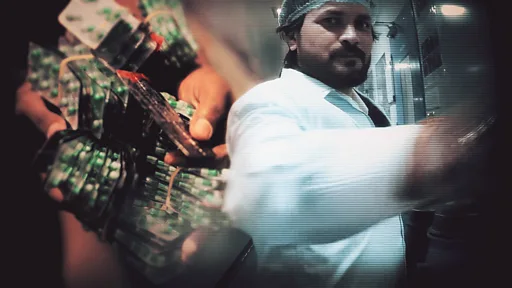
After dem trace di drugs back to Aveo factory for India, BBC send undercover operative inside di factory, wey pose as an African businessman looking to supply opioids to Nigeria. Using hidden camera, BBC film one of Aveo directors, Vinod Sharma, as e dey show off di same dangerous products wey BBC find for sale across West Africa.
For di secretly recorded footage, di operative tell Sharma say im plan na to sell di pills to teenagers for Nigeria "wey all love dis product". Sharma no shake. "OK," e reply, before e explain say if users take two or three pills at once, dem fit "relax" and e agree say dem fit get "high". Towards di end of di meeting, Sharma say: "Dis dey very harmful for di health," adding say "nowadays, dis na business."
Na business wey dey damage di health and destroy di potential of millions of young pipo across West Africa.
For di city of Tamale, for northern Ghana, so many young pipo dey take illegal opioids wia one of di city chiefs, Alhassan Maham, don create a voluntary task force of about 100 local citizens wey dia mission na to raid drug dealers and take di pills comot from di streets.
"Di drugs dey make those wey abuse dem mad," Maham tok, "like fire dey burn wen dem pour am kerosene." One addict for Tamale tok am more simple. Di drugs, e tok, don "wast our lives".
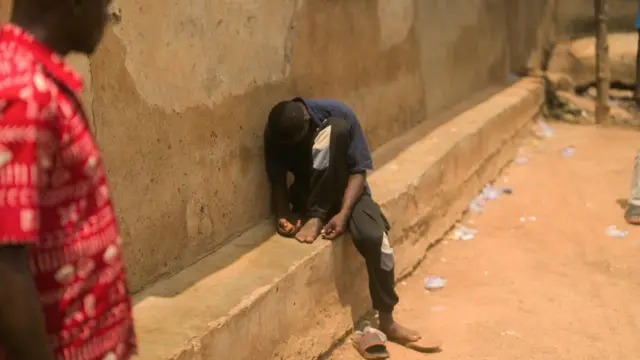
BBC team follow di task force as dem jump ontop motorbikes and, after tip off about one drug deal, launch raid for one of Tamale poorest neighbourhoods. On di way dem pass one young man wey slump to stupor who, according to locals, don take dis drugs.
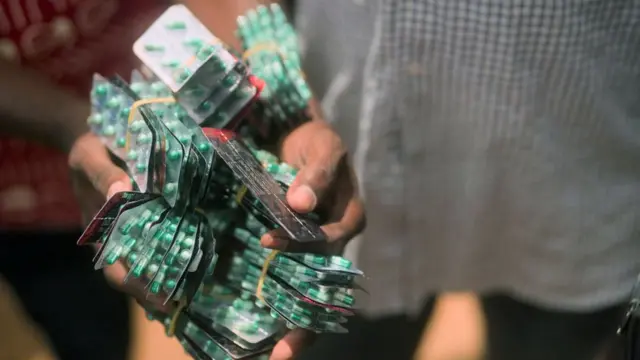
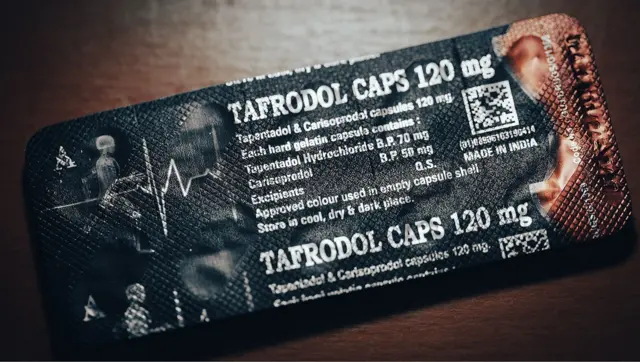
Wen dem catch di dealer, e bin dey carry plastic bag wey dey filled with green pills wey dem label Tafrodol. Dem stamp di packets with di logo of Aveo Pharmaceuticals.
No be just for Tamale na im Aveo pills dey cause palava. BBC find similar products, made by Aveo, wey police seize for oda place for Ghana.
We also find evidence say Aveo pills dey for sale on di streets of Nigeria and Cote D'Ivoire, wia teenagers dey dissolve dem inside alcoholic energy drink to increase di high.
Publicly-available export data show say Aveo Pharmaceuticals, along with a sister company called Westfin International, dey ship millions of dis tablets to Ghana and oda West African countries.
Nigeria, with a population of 225 million people, na di biggest market for dis pills. E dey estimated say about four million Nigerians dey some form of opioid, according to Nigeria National Bureau of Statistics.
Chairman of Nigeria Drug and Law Enforcement Agency (NDLEA), Brig Gen Mohammed Buba Marwa, tell BBC say opioids dey "devastating to our youths, our families, e dey for every community in Nigeria".
For 2018, after one BBC Africa Eye investigation into di sale of opioids as street drugs, Nigerian authorities try to clamp down on di widely abused opioid painkiller called tramadol.
Government ban di sale of tramadol without prescription, impose strict limits on di maximum dose, and crack down on imports of illegal pills. At di same time, Indian authorities tighten export regulations on tramadol.
Not long after dis crackdown, Aveo Pharmaceuticals begin to export a new pill based on tapentadol, wey be even stronger opioid, mixed with di muscle-relaxant carisoprodol.
West African officials dey warn say opioid exporters appear to dey use dis new combination pills as a substitute for tramadol and to dodge di crackdown.
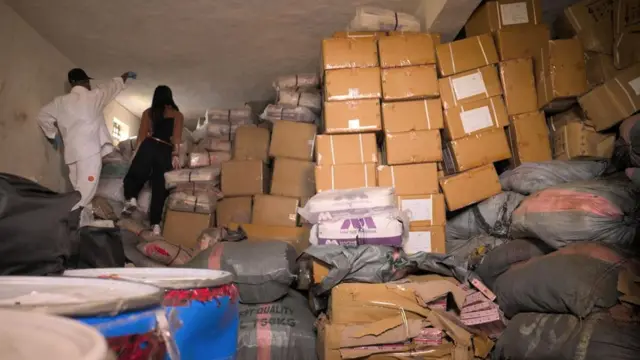
For di Aveo factory cartons of di combination drugs on top dey packed ontop of each other, almost ceiling-high. On im desk, Vinod Sharma lay out packet after packet of di tapentadol-carisoprodol cocktail pills wey di company dey market under different names including Tafrodol, di most popular, as well as TimaKing and Super Royal-225.
E tell BBC undercover team say "scientists" wey dey work for im factory fit combine different drugs to "make a new product".
Aveo new product dey even more dangerous dan di tramadol e replace. According to Dr Lekhansh Shukla, assistant professor for di National Institute of Mental Health and Neuro Sciences for Bengaluru, India, tapentadol "give di effects of opioid" including very deep sleep.
"E fit dey deep enough say pipo no go fit breathe, and e fit lead to drug overdose," e explain. "And along with dat, you dey give another agent, carisoprodol, wey also dey give very deep sleep, relaxation. E sound like a very dangerous combination."
Carisoprodol don dey banned in Europe because e dey addictive. E dey approved for use in di US but only for short periods of up to three weeks. Withdrawal symptoms include anxiety, insomnia, and hallucinations.
Wen mixed with tapentadol di withdrawal dey even "more severe" compared to regular opioids, Dr Shukla tok. "na painful experience."
E say e no know of any clinical trials on dis combination. Unlike tramadol, wey dey legal for use in limited doses, di tapentadol-carisoprodol cocktail "no sound like a rational combination", e tok. "Dis no be something wey dey licensed to be used in our country."
For India, pharmaceutical companies no fit legally manufacture and export unlicensed drugs unless dis drugs meet di standards of di importing country. Aveo ships Tafrodol and similar products to Ghana, wia dis combination of tapentadol and carisoprodol dey, according to Ghana national Drug Enforcement Agency, unlicensed and illegal. By shipping Tafrodol to Ghana, Aveo dey break Indian law.
We put dis allegations to Vinod Sharma and Aveo Pharmaceuticals. Dem no respond.
Di Indian drugs regulator, CDSCO, tell us say di Indian government recognise im responsibility towards global public health and dey committed to ensuring say India get a responsible and strong pharmaceutical regulatory system.
E add say exports from India to oda countries dey closely monitored and say recently tightened regulation dey strictly enforced. Dem also call importing countries to support India efforts by ensuring dem get similarly strong regulatory systems.
CDSCO say dem don take up di matter with oda countries, including those for West Africa, and dey committed to working with dem to prevent wrongdoing. Di regulator say e go take immediate action against any pharmaceutical firm involved in malpractice.
Aveo no be di only Indian company making and exporting unlicensed opioids. Publicly available export data suggest say other pharma companies manufacture similar products, and di drugs with different branding dey widely available across West Africa.
Dis manufacturers dey damage di reputation of India fast-growing pharmaceutical industry, wey dey make high-quality generic medicines upon which millions of pipo worldwide depend on and manufactures vaccines wey don save millions of lives. Di industry exports dey worth at least $28bn (£22bn) a year.
Speaking about im meeting with Sharma, BBC undercover operative, wey im identity must remain protected for im safety, say: "Nigerian journalists don dey report on dis opioid crisis for more dan 20 years but finally, I bin dey face to face… with one of di men at di root of Africa opioid crisis, one of di men wey dey actually make dis product and dey ship am into our countries by di container load. E know di harm e dey do but e no care… e describe am smply as business."
Back for Tamale, Ghana, di BBC team follow di local task force on one final raid wey dem find even more of Aveo Tafrodol. Dat evening, dem gather for one local park to burn di drugs wey dem seize.
"We dey burn am for open for everybody to see," Zickay, one of di leaders, as dem dey burn di packets tok, "so e go send a signal to di sellers and di suppliers: if dem get you, dem go burn your drugs".
But even as di fire destroy di small hundred packets of Tafrodol, di "sellers and suppliers" for di top of dis chain, thousands of miles away for India, dey produce millions more - and dey become rich on di profits of misery.