Mexico fit get first eva female president? - Dis na region wia women dey powerful for centuries
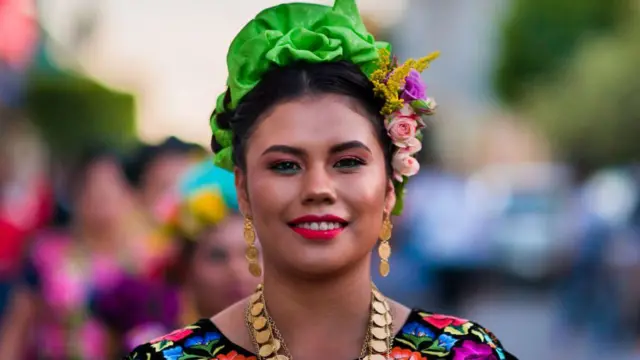
Wia dis foto come from, Getty images
- Author, José Carlos Cueto
- Role, BBC News Mundo
- Reporting from, Juchitán de Zaragoza, Mexico
- Published
E be like say e sure for Mexico to elect dia first eva woman president.
Na landmark event for kontri wey dem don know since for dia “macho” culture. Mexico get one of di highest femicide rates internationally.
Wit dis background, di prospect of a woman wey go lead di Latin American kontri don attract a considerable international attention.
Female candidates Claudia Sheinbaum, from di governing party, and opposition leader Xochitl Galvez dey contest for di elections on Sunday.
But for di women in di Istmo de Tehuantepec region, di fact say woman fit become head of state no look like somtin wey dey “revolutionary”.
For dis region, dem dey call female dynamics “exceptional” for di context of Mexico.
Dem don inspire artists and intellectuals to showcase di empowered vision of Mexican women for decades.
'City of Women'
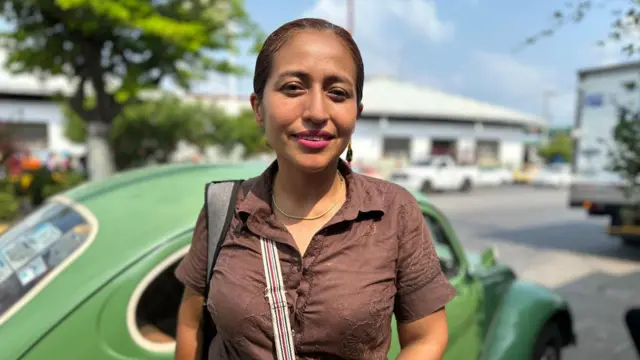
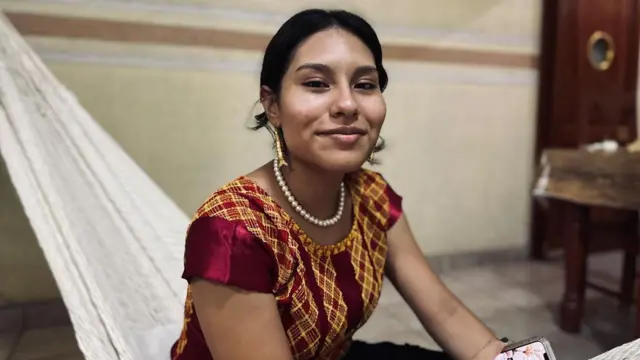
Griselda Martinez na a typical Zapotec, di most influential ethnic group for di Istmo de Tehuantepec region. She describe hersef as a strong fighter and a brave, independent, empowered woman.




End of Di one wey oda users dey read well well
“Time don reach for a woman to rule Mexico. Make we see if she fit do 'beta' tins now for di kontri,” she tok.
Dem also know dem as “di Istmo”, di region dey located within di southern states of Oaxaca and Veracruz.
Na di narrowest interoceanic region for Mexico, and e contain 200km-wide resource-rich land wey dey separate di Atlantic and Pacific Oceans.
Dis don make am a transit region wey pipo dey pass well well, and e dey open to di exchange of culture for centuries.
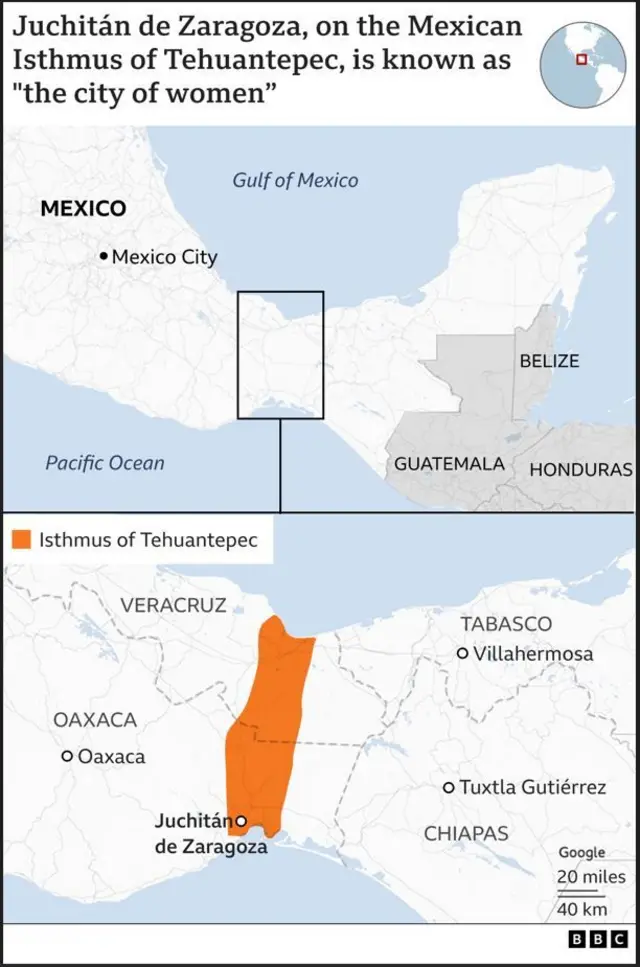
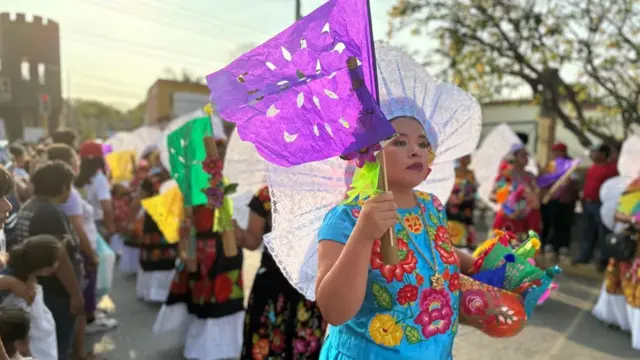
Dem sabi Juchitan de Zaragoza as di “city of women” for di Istmo.
Dia main market na testament to di huge influence of women on di local economy.
Many women for hia don head families for generations.
All dis tins bin make different foreign researchers for di 20th Century believe say matriarchy bin dey in place.
“No be true. Women and men contribute equally to di household economy,” Martinez tok.
Equal contribution to di household economy neva dey common well well for anoda place for Mexico, although di trend don dey change small small recently.
History of emancipation
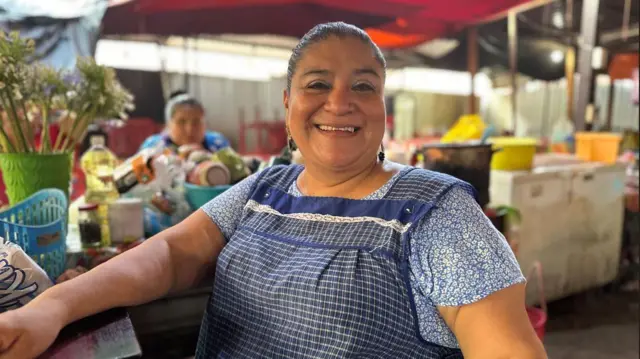
For her food stall for market, Martinez speak about di Istmeñas' historical activism.
“For di19th Century, local women bin fight alongside men against French invaders. We bin use wooden sticks, stones and machetes to pursue dem,” she tok.
Di region bin witness several civil war for di 19th Century, wey leave many women as widows wey dey in need of more financial support.
Dem force many to become travel merchants to seek financial independence.
“Rebellions bin happun for hia historically, and women bin dey veri active," Zapotec anthropologist Patricia Matus, from Mexico's Universidad Autónoma Metropolitana Unidad Xochimilco tok.
Several ethnic groups live togeda for hia, even though di Zapotecs na di most influential.
"Under Spanish rule, di Zapotecs maintain dia ethnic identityand challenge di Spanish cultural and political hegemony (dominance)," na wetin anthropologist Howard Campbell, from di University of Texas at El Paso tok
Historians speak of women wey bin take part for di rebellions against di Spaniards as early as di 17th Century.
"To dey brave like dis come from our ancestors," Zapotec journalist Diana Manzo tell di BBC.
The household
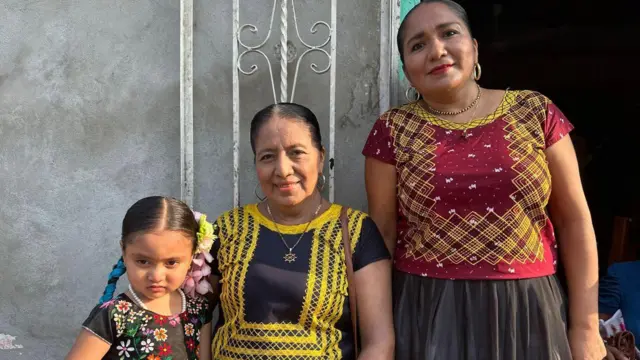
Dem dey nurture di value of di Zapotec women from home and dem dey also inherit thru di generations.
For di women wey dey hia, feminism no be new tin, but e dey inborn.
Many pipo wey tok to us remember how dia grandmothers bin make a point to make dem independent, dem tell us say "no eva wait for any man”.
"I achieve my pride and self-confidence from my house. For decades we no get any man wey support us. Na women dey provide and care at di same time,"na wetin business administration student Michelle Lopez tok.
Wen she dey reflect on di likely political change, she say political power no be di only instrument to create new freedoms.
“E go dey good to get a female president, but a woman no need a political position to get influence. We don show say we fit mobilise society and lead di way witout exactly getting any position," Lopez tok.
Political activism
As e dey for many kontris, Mexican women don struggle historically to get fair access to political power.
“However, many pipo see di Istmo as an exception,” Campbell tok.
During di 1970s, di Istmeñas bin play a huge role during one worker-led coalition wey dem sabi as COCEI.
E bin challenge di political leadership wey di Institutional Revolutionary Party (PRI) bin head.
According to anthropologist Matus, Zapotec ethnicity bin dey used as symbol of rebellion..
“And Zapotec women power na big part of dat,” she tok.
Largely due to di COCEI struggle, for 1981 Juchitan become one of di first Mexican towns wey socialist goment rule.
“Women bin even outnumber men during demonstrations and meetings. Dem dey go hunger strikes and run physical risks,” Campbell tok, she add say dat kind of involvement bin no dey veri common for Mexican women for di 1980s.
Since den, dem elect di first female mayors for di region, even though say dia numbers no plenti.
The matriarchy debate
Violence against women na one of di biggest issues wey dey affect Mexico.
Between January and March 2024, dem record184 alleged crimes of femicide (di killing of women) for all ova di kontri. In recent years di number don enta thousands.
Istmo de Tehuantepec dey alway be one of di hotspots for gender violence in recent years.
As a result, many local women reject di idea say na matriarchal society dey eva exist for hia.
Like say na true, dem argue say, dem for no dey experience gender violence and inequality.
Campbell also argue say even though di political activism of Istmeñas dey remarkable, dem need much more to get real equality for local politics, wey still dey largely dominated by men.
Violence
Dis election campaign dey regarded as di most violent for Mexico modern history.
Mexican consultancy firm Integralia say na around 200 public servants, politicians and candidates dem don murder or threaten for di run-up to di elections.
More dan 20,000 congressional and local positions na im dem dey contest for.
For 2019, di Mexican goment bin set up 50 percent of all goment jobs and public positions to dey reserved for women.
But di focus still dey on di big prize: president.
Back for Istmo market, pipo dey tok about di elections evriwia.
“E no mata weda we get female president. Wetin mata na make she do good job.
"We get plenti clever women wey fit do plenti tins for Mexico if dem get di chance”, Martinez tok.