'My boss make me wash di men towels for my office'
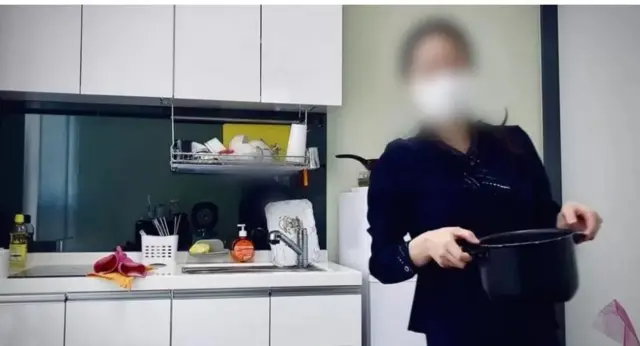
Wen Yuna start her first day for work, as a clerk for one major bank, she bin no expect di kain tasks dem go give her. First na to make lunch for her team. Later, she get order to take di hand towels from di men's toilet go house go wash dem.
Dem tell her say dis jobs go to her becos she be di newest female member of staff.
At first she bin politely refuse. Abi di men no go fit take dia own towels go house to wash am, she ask her boss, but di reply e give her na: "How can you expect men to wash towels?"
"Im come vex well well, and I realise say if I continue to fight am, di harassment go worse, so I start to wash di towels," Yuna tok. But becos say she bin complain, dem mark her.
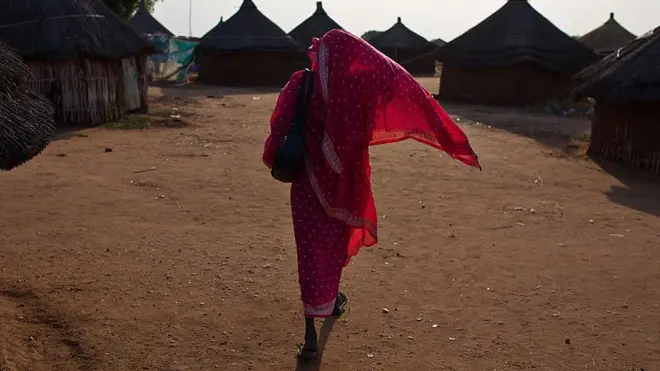
As she waka through di dark alleys of her local food market, dressed in a black baseball cap, oversized jeans, and a T-shirt, she try to disguise hersef as she tell her experience. Dis na small town, and she don di sometin she for sack her from work. She film evritin and report di bank to di goment, to investigate.
Wetin push her over di edge no be di abuse, wey continue to grow worse, but na di lack of support from her female colleagues - those wey dey dia 20s, like her.
"E dey like this evriwia, no make a fuss," dem bin beg.
South Korea fit don blossom into a cultural and technological powerhouse, but for dia rapid transformation into one of di richest kontris in di world, women dey left behind.

End of Di one wey oda users dey read well well
Dem dey receive pay wey dey on average a third less than men, and dis give South Korea di worst gender pay gap of any rich country in di world.
Men dey dominate politics and boardrooms. Currently, women hold just 5.8% of di executive positions for South Korea publicly listed companies. Dem still dey expected to do most of di housework and childcare.
To dis na big challenge, dem come add di common bad culture of sexual harassment. Di booming tech industry don contribute to an explosion of digital sex crimes, wia dem dey film women with tiny hidden cameras as dem use di toilet or dey undress for changing rooms.
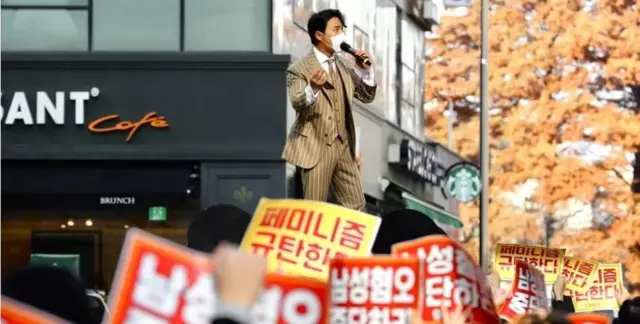
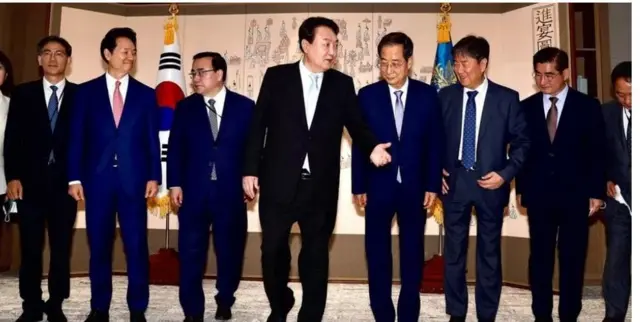
But instead of promising to fix all dis problems, South Korea new President Yoon Suk-yeol say structural sexism na "a thing of di past". Na young men wey claim say attempts to reduce inequality mean say dem don become victims of reverse discrimination, naim push am to power.
Upon entering office, President Yoon scrap goment gender quotas, come declare say dem go hire pipo based on merit, not sex. E appoint just three women to im 19-member cabinet.
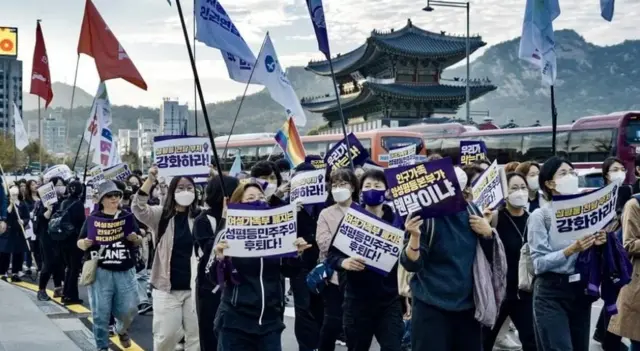
Now im dey try to abolish di goment Gender Equality Ministry, wey support women and victims of sexual assault, with claim say e don old and no dey relevant. More than 800 organisations don come togeda to protest against di closure, as dem argue say e fit get a damaging impact on women lives.
Wia dis foto come from, News 1
With di hope to fight dis na 28-year-old Park Ji-hyun, a women's rights campaigner, wey, following di divisive election, dem ask her to lead di liberal opposition party. Di party tell her say dem need her help to reform politics and represent young women. And so, despite say she never be politician before, she agree.
But just six months later, when we meet for one café for di outskirts of Seoul, she no dey di post again.
She gatz leave her home becos dem leak her address, and she come dey receive so many death threats.
Di ones wey she no fit forget, she say, na from di pipo wey threaten to feed her with acid or pour am for her face.
E bin be di hardest six months of her life, she admit, after experiencing first-hand di sexism and misogyny wey dey politics.
Park tok of di sadness she feel, as she go be di only woman for meetings, and when she tok, nobody go respond.
"Dem just ignore me, and I go end up shouting into a void," she tok.
"When I wan discuss di economy or di environment, dem go say: 'You just focus on wetin you know - women issues and sex-crimes'. I realise say I be puppet for dis position, wey dem dey used gada women votes."
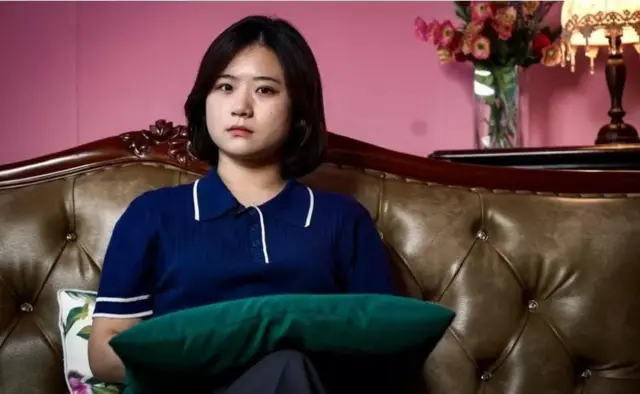
Park make her name as a student journalist, when she uncover an online sex ring, wia dem dey blackmail young teenagers to film demsef dey perform sexual and degrading acts. Di ringleaders go prison as a result of her investigation.
Online sexual assault and harassment dey very common. Last year, 11,568 cases of digital sex crimes bin dey reported, up 82% from di year before. Many involve di use of hidden spy-cameras.
Women for South Korea say dem dey fear to go toilet, in case dem dey secretly film dem and den later use am blackmail dem - or worse, release di footage and so destroy dia lives. One compare di fear to wetin women for oda kontris dey fear wen dem dey waka go house late at night.
But wen Park push to investigate allegations of sexual assault within her party, dem label her as a troublemaker, and after poor local election results, dem push her aside.
As we dey tok, one waitress give us a free big plate of cakes, on di house. "Thank you for fighting for us," she tok. Dis sha embarrass Park and make her laugh: "Dis one never happe before."
During her short time in politics, she become an icon for young women wey bin feel say dem no get anybodi to represent dem.
Wia dis foto come from, Getty Images
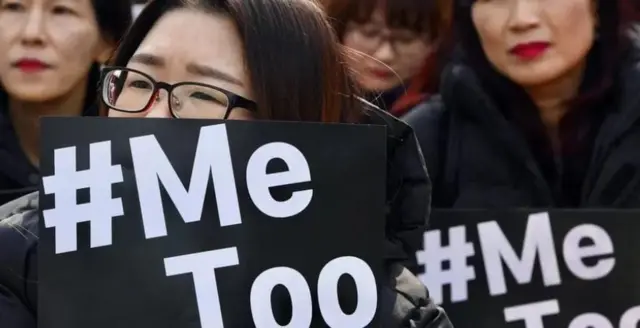
In 2018, South Korea start Asia first and most successful #MeToo movement. But after dat, a wave of anti-feminism spread through di kontri, and na young men wey bin get concern ginger am say, in dia hyper-competitive society, women dey get di upper hand.
Dem take issue with having to complete compulsory military service, wey dey stop dem from working for up to two years.
Dem don succeed to turn feminism to a dirty word, wey be say some women now dey embarrassed, or even afraid, to use am. But more significantly, dem get di president to respond amd side with dem for dia rallying cries.
"Women bin don dey deprived of dia rights in di past, but a lot don dey resolved," na so 37-year-old Lee Jun-seok tok, wey also dey support di idea to close di gender equality ministry.
Im lead di winning party into di election, and help am attract young, male votes. "Gender equality don enter a new phase. We need a new system wey go look beyond feminism and focus on di rights of all minorities." Di ministry currently account for just 0.2% of di goment budget but women say e don make a big difference to dia lives.
Since dem establish am more than 20 years ago, e don support di victims of hidden spy-cams and women wey for don face sack after dem become pregnant, and e help secure more generous child support payments for single mothers. Ana never fit sleep properly since she hear about di ministry abolition. She give dem credits for saving her life. From a safe house, she tok - wit low voice wey dey so quiet pesin almost no hear wetin she dey tok - how evri bodi for her life wey she trust say go protect her fail her. Six years ago, her college professor rape her. Wen she call her father to tell am, im cut di call. She don bring shame to di family, im tell her. Only after di #MeToo movement naim Ana find di strength to seek help. She bin go to a support centre for victims of crime, but dem bin want evidence before dem go agree to help her. She make her case to di doctor, wey tell her say she dey delusional and deny her di support.
"E bin dey heartbreaking. I no fit understand how a doctor wey dey run a support centre no gree help me," she tok. "I feel like say I bin dey trapped in a dark room with no exit." A few months later she try to kill hersef.
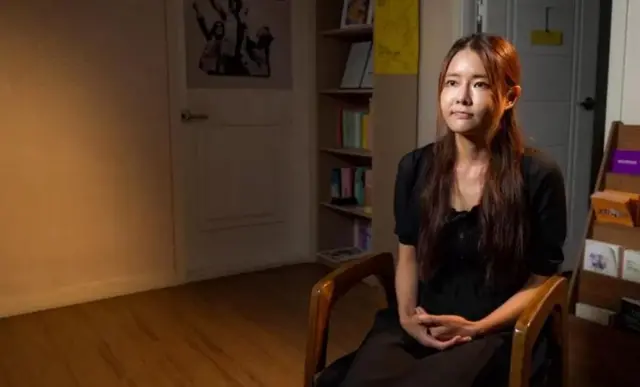
Dat time, di gender equality ministry step in. Dem find place for her for di safe house, provide counselling and help Ana to pursue a successful prosecution. Her professor bin go jail. Dis never stop di flashbacks and nightmares, but - as she describe am - she dey resuscitated it revived.
"I don receive more help from dis ministry than my own family, wey share my blood," she tok as she hold out her hand to touch her counsellor Nam, wey sidon beside her. "To close am na dangerous idea."
Di goment say di ministry current services go continue, but e go dey absorbed by oda departments.
In October, di president say dis go "protect women more", though im reasoning no dey clear. Di plans fit still spoil by di liberal opposition party, wey hold majority for parliament. E bin don voice concern am about di impact di closure go get on di progress wey dey yet to be made for women - in di workplace and at home.
South Korea society and job market dey structured in a way wey dey promote and continue dia gender pay gap. Women dey struggle to re-enter di competitive workforce after dem leave to have pikin. Dem often end up with unstable, poorly paid contract work, wey dem fit juggled around childcare.
Dis na di case for 50-year-old Shin Hyung-jung, wey used to work as an administrator for one school. Di school bin expect her to work on Saturdays, but dem no open dia kindergarten, meaning say she no get plave to leave her daughter. Her husband no gree look after di baby, so she gatz quit.
"Im na typical patriarchal man, im no dey do anytin to help," she laugh. I ask why she dey laugh. "Becos e dey ridiculous, I no fit tok." For di past 20 years she instead dey work to maintain electrical items, such as water purifiers and clothes steamers, for pipo homes.
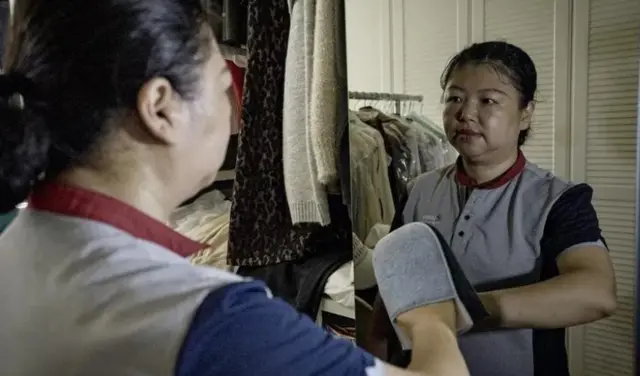
E dey difficult to dey carry dis around," she tok as she load her equipment into a fancy elevator to service her third apartment of di morning. "I fit dey fired tomorrow morning and I go get nothing, and I no get any pension. But at least I fit go pick my daughter up from school."
According to di latest goment data, 46% of female workers dey for non-permanent contract work, compared to just 30% of men. All but two of di employees for Shin team na women, wey all of dem start to work for di company after dem born dia pikins. Two wey dey dia 30s join dis year, citing almost di same circumstances to di ones Shin experience two decades ago.
Women wey no wan sacrifice dia careers now dey simply choose not to have children. South Korea fertility rate (dat na di average number of pikins a woman go get for her lifetime) don fall to 0.81, di lowest for di world. Dia population dey predicted to half by di end of di century, meaning say dem fit no get enough pipo to sustain dia economy and conscript into dia army.
"Without solving dia gender equality problem, South Korea no go fit solve dia birth-rate problem," na so Jeong Hyun-baek, di gender equality minister between 2017 and 2018 tok. "
Di #MeToo movement try improve di culture of sexual harassment and discrimination in workplaces, but now we need structural reform to address di pay gap and di lack of opportunities for women." She question how di goment fit fix a problem wey e no wan acknowledge say dey exist.
Wia dis foto come from, News1
For months I make request to interview di current Gender Equality Minister, Kim Hyun-suk, but di goment no gree. I later approach her for one event and ask weda she agree with di president say structural sexism for Korea no dey exist again.
"Dia need to be more women in politics, particularly in leadership and we must work to close di pay gap, particularly between fulltime and contract workers," she reply, without directly answering di question.
E get are some signs wey show say equality for South Korea dey improve. Earlier dis year, long-time contract worker Shin successfully negotiate a wage increase through her union, after a 10-year pay freeze. Dis na di first time a group of part-time contract workers for her industry don win such a battle.
"I dey feel like say society dey slowly change, and my daughter go get a better future," she tok. "I don give up on my husband, but I never give up on my kontri."
Den last month, Yuna, di bank clerk, get call from di goment. Dis investigation conclude say di bank don break law, by committing sexual harassment and discrimination. Dem don order di bank to pay fine and dem dey transfer her she to a different branch.
To think about returning to work dey make her sick, she tok wen we tok to her for phone, but she happy say she report di bank. Since she do am, oda female employees don come out with similar stories.
"For me I think say over di past ten years equality don improved, but dis na small city, and tins no dey change here, di president no dey look deep enough", she tok as she worry say di recent gains dem don make fit break into pieces.
"If dis ministry disappear, wetin we don build fit collapse". *_Yuna name change to protect her _Additional reporting na by Won-jung Bae and Hosu Lee_