'Cut off one head and new ones go grow back' - how Iran rulers build a system wey go hard to comot
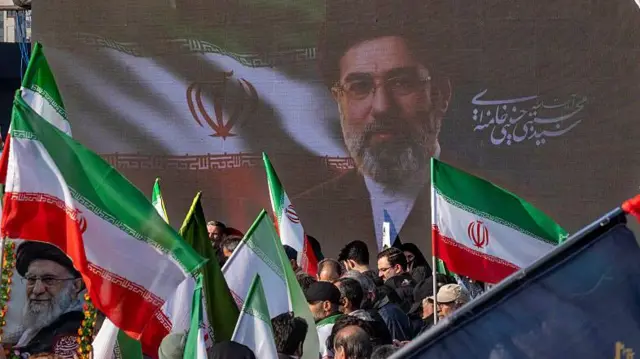
Wia dis foto come from, Morteza Nikoubazl/NurPhoto via Getty Images
- Author, Luis Barrucho
- Role, BBC World Service
- Published
- Read am in 8 mins
More dan four decades after di 1979 Revolution wey bring Iran rulers to power, na now dem dey face dia gravest moment.
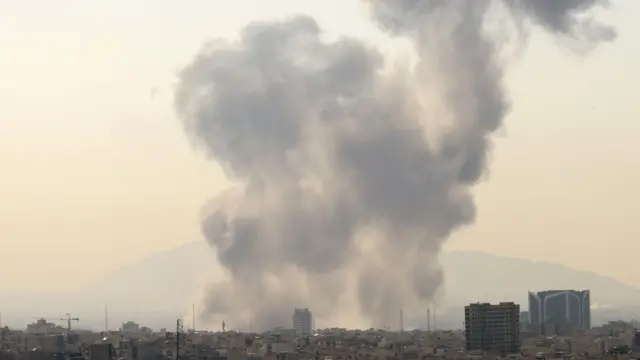
Joint air strikes by di United States and Israel don kill Supreme Leader Ayatollah Ali Khamenei and oda top military commanders, as well as damage key infrastructure.
Di US and Israel done give signal say dem want regime change, and urge Iranians to overthrow dia govment.
Yet experts say Iran regime deliberately create a power structure wey dey durable and wey go dey hard to comot.
So wetin dey explain dia resilience, and how e dey different from oda kontris for di Middle East?
'Hydra-like structure'
Wia dis foto come from, Morteza Nikoubazl/NurPhoto via Getty Images
Since dem overthrow Iran monarchy, di Islamic Republic don steadily build a political system wey dey designed to survive shocks, na so sabi pipo tok.
Dis one dey combine tightly controlled institutions, ideological indoctrination, elite cohesion and a divided opposition.
"E dey like a hydra‑like structure: You cut off one head and new ones go grow back," na so Sébastien Boussois, a Middle East researcher for di European Geopolitical Institute for Belgium tok.
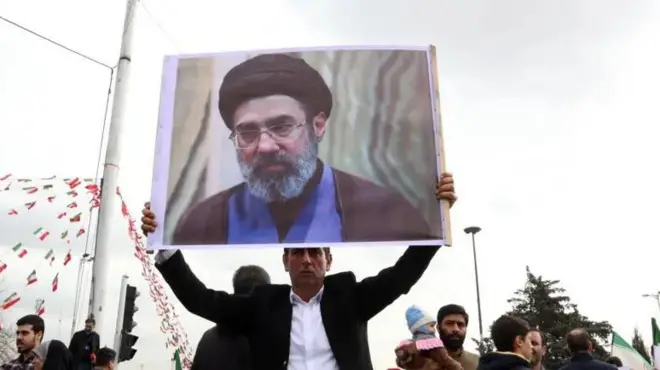
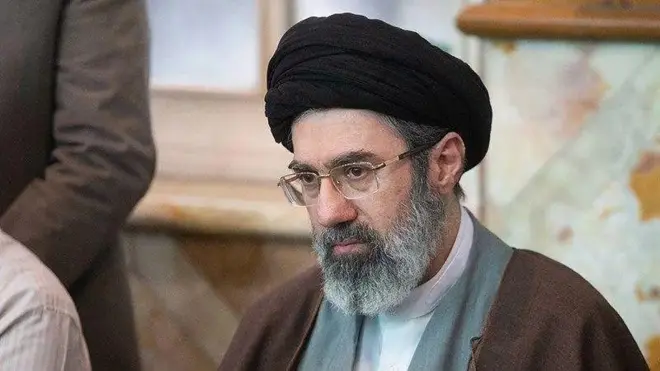
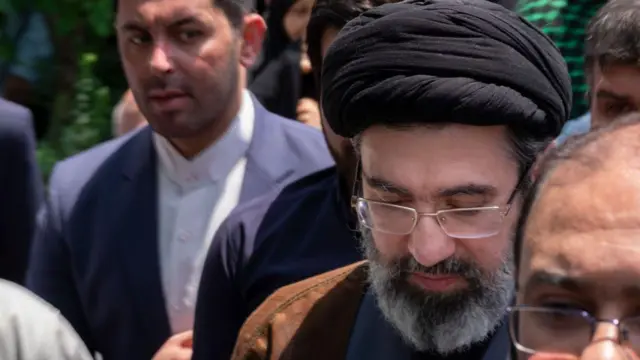
On Sunday, Mojtaba Khamenei, di son of Ali Khamenei, bin dey chosen as im successor, less dan two weeks afta dem kpai im papa.
E dey widely expected to kontinu di strict rule of im papa.
'Polydictatorship'
Wia dis foto come from, Majid Asgaripour/WANA (West Asia News Agency) via REUTERS
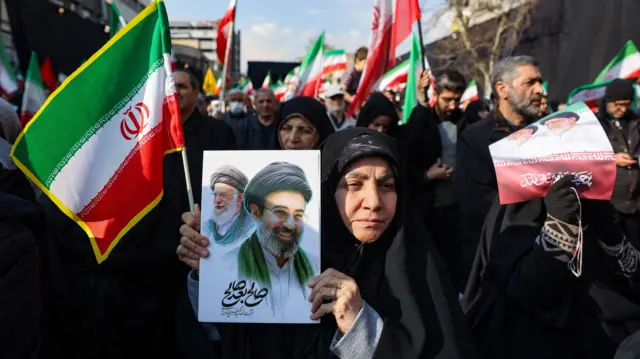
Sabi pipo argue say, unlike kontris for di wider region such as Tunisia, Egypt and Syria, wia leaders don dey overthrown, Iran dey better becos dem fit stand external shocks becos of dia ideologically driven security apparatus.
Instead make dem operate under a typical dictatorship wey dey centred around one pesin, Iran get a "polydictatorship" – an "alliance between supporters of political Islam and fierce Iranian nationalism," na so Bernard Hourcade, former director of di Tehran‑based French Institute for Research in Iran tok.
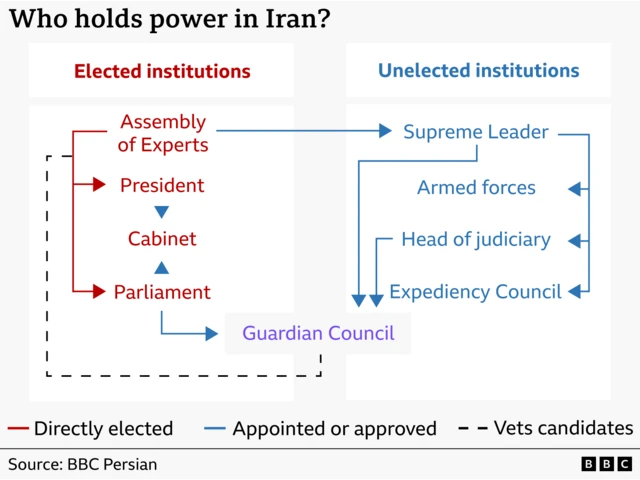
Power dey shared across multiple centres – clerical bodies, di armed forces, and large sections of di economy – wey make di system far harder to overthrow pass a single‑leader dictatorship.
Oda bodies wit power include di Guardian Council, wey fit veto legislation and screen candidates for elections.
Dis dey further reduce di chances of any single faction to mount a serious challenge to di state.
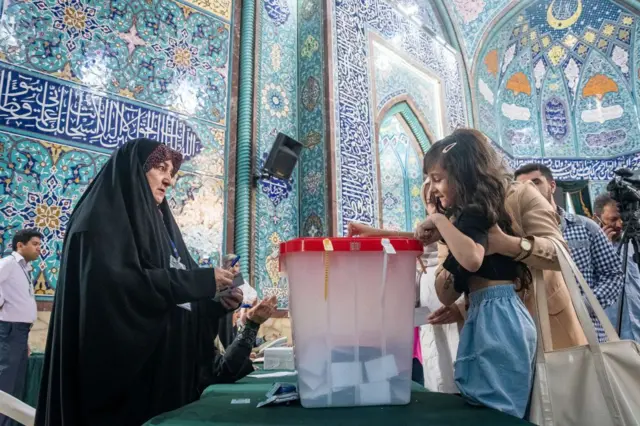
While Iran dey widely regarded as an autocracy, e offer Iranians di symbolic opportunity to vote in some elections, including di selection of di president.
However, di process dey tightly managed, as candidates dey vetted by di Guardian Council on criteria wey include commitment to di Islamic Republic.
Di central role of di Revolutionary Guards
Wia dis foto come from, NurPhoto via Getty Images
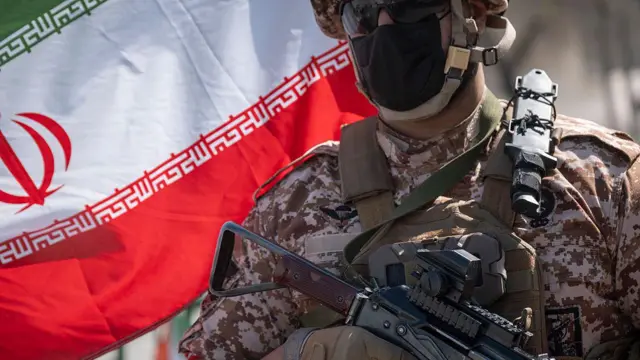
If institutions provide di skeleton of di regime, di security forces dey widely seen as di muscle.
Di Islamic Revolutionary Guard Corps (IRGC), wey dey operate alongside di regular army, often dey considered as di "backbone of di regime," Hourcade tok.
Beyond dia military role, e don become a political and economic powerhouse, with extensive business interests and influence through di Basij militia, a volunteer paramilitary organisation.
Crucially, di security forces don dey unified through repeated unrest. Boussois link dis loyalty to ideology.
"Dis culture of martyrdom wey we find among Shiites [followers of one of di two main branches of Islam] and within groups like Hamas and Hezbollah almost dey considered as part of di job," e tok.
Iran deputy defence minister, Reza Talaeinik, recently tok for one television interview say evri IRGC commander get successors wit designated three ranks down to ensure continuity.
Kasra Aarabi, head of research on di Guards for United Against Nuclear Iran, say Iran decentralised structure dey shaped by lessons from di 2003 collapse of Iraqi forces during di US‑led coalition invasion.
If di regime survive, e believe say "di Guards go get an even more important role".
Patronage networks and elite cohesion
Large parts of Iran economy dey controlled by state‑linked organisations such as di bonyads – charitable trusts wey don grow into owning thousands of companies across a range of sectors in di economy.
Dis networks dey distribute jobs and contracts to constituencies wey dey loyal to di regime.
Di IRGC business empire, wey include di Khatam al‑Anbia conglomerate, dey reinforce dis "patronage" system of business.
While Western sanctions don hit Iran wider economy hard, dis networks dey help to insulate key elites and protect dia stake in di system survival, na so sabi pipo argue.
According to Boussois, di system dey "so solid sotay we see almost no defections".
Ideology and di legacy of revolution
Religion also dey play a powerful role in preserving power.
Di revolution create a lasting network of religious, political and educational institutions wey continue to shape di state worldview.
"Dis very old, very powerful structure – ideological, bureaucratic, administrative – dey make di system strong," Boussois tok.
E argue say di ideology "dey act as a real source of unity, vocation and recruitment".
Wia dis foto come from, KHOSHIRAN/Middle East Images/AFP via Getty Images
A divided opposition
Historically, Iran opposition dey fractured.
Dem include reformists, monarchists, leftist groups, diaspora movements such as di National Council of Resistance of Iran, and various ethnic organisations.
Dis fragmentation dey long‑standing, na so Ellie Geranmayeh, senior policy fellow for di European Council on Foreign Relations, a UK think‑tank tok.
Afta di revolution, di debate around creating political parties bin dey sidelined, she tok, in large part as Iran enter war wit Iraq in 1980, wey last nearly eight years.
Geranmayeh say at various points moderate factions dey "marginalised, discredited or imprisoned" by di regime and hardline factions.
Over di years dem don get major protest movements against di regime, such as di 2009 Green Movement and di demonstrations wey bin dey sparked by di death of Mahsa Amini for 2022.
But those protests lack central leadership and bin dey met wit severe state repression.
However, di latest wave of protests wey happun dis and last year follow calls from di exiled son of di late shah for a "global day of action".
Iran also operate one of di most sophisticated surveillance systems for di region, wit constant internet shutdowns, AI‑enabled monitoring and cyber units targeting activists abroad.
Public caution and why e dey die out
For years, many Iranians hesitate to push for regime change after witnessing di fallout of US‑led interventions for Afghanistan and Iraq, Geranmayeh tok, come add say di aftermath of di Arab uprisings further deepen caution.
But she say dis calculation now don shift, as many Iranians feel say di state no longer dey able to guarantee basic needs, from jobs to clean water, while dem dey escalate brute force to suppress dissent.
January brutal crackdown against a new wave of protests – wia thousands bin dey killed following some of di largest demonstrations ever seen in di kontri – follow push dis shift, she add.
Hourcade say e get a "generational gap" among Iranians and dia attitude to di regime.
Younger Iranians, many wey dey highly educated, globally connected and influenced by social media, reject di regime, as dem see am as "corrupt, oppressive and irrelevant to dia aspirations", e argue.
'Evri regime dey eventually end'
Wia dis foto come from, EPA
Analysts say authoritarian regimes tend to fall wen three conditions align: Mass mobilisation, splits in ruling elites and security‑forces defections.
In di past, Iran often dey experience di first but neither of di oda two, sabi pipo tok.
Hourcade believe say di end of di Islamic Republic dey inevitable, but not soon.
"Evri regime eventually go end. Di real question na di timing – di chronology."
E argue say Khamenei death na a major blow to di regime.
"Dem no go get anoda leader like am. Im replacement no go eva get di kain authority Khamenei bin get."
But Boussois say di Islamic Republic fall dey far from certain.
If e no happun and e dey triggered by foreign military intervention, wetin go follow fit dey worse, e tok.
Trump bin don tell di New York Times say di US capture of di former Venezuelan President Nicolás Maduro go be di "perfect scenario" for Iran.
But Boussois say: "di opposite fit occur – as e be for North Korea or Cuba – a strengthening of di hard core."