10 facts to know about Tinubu new Tax Reform Bills as northern leaders raise fresh concerns
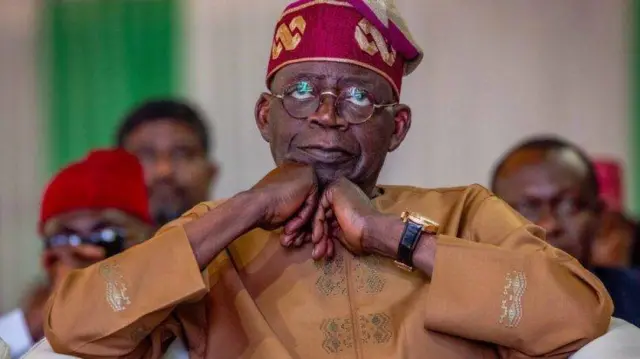
Wia dis foto come from, Bola Tinubu/Facebook
For early October 2024, Nigeria President Bola Tinubu transmit di Nigeria Tax Bill 2024 give National Assembly.
Di expectation be say dis go reshape di kontri fiscal framework and establish comprehensive legal framework wey go govern tax on incomes, transactions, and instruments.
Dem call di bill “An Act to Repeal Certain Acts on Taxation and Consolidate di Legal Frameworks Relating to Taxation and Enact di Nigeria Tax Act to Provide for Taxation of Income, Transactions and Instruments, and for Related Matters.”
Since Tinubu do di transmission, di bill don make many Nigerians para, especially for north of di kontri wia dem say di bill no dey in di interest of di north.
Members of di House of Representatives wey come from di northern part of di kontri raise fresh concerns on Tuesday, over di four tax reform bills wey currently dey under consideration for di National Assembly.
Di latest concern wey di northern leaders say dem dey worry about na di issue of insecurity wey don affect economic activities for di region.
But wetin exactly dey involved for dis bill?
Di Chairman, Presidential Committee on Fiscal Policy and Tax Reforms, for Tinubu administration, Taiwo Oyedele, wey say dis serious reforms dey “healthy for di system, explain di questions wey dey pipo mind in 10 points.
1. Wetin fiscal and tax reforms dey about?
Fiscal and Tax reform for Nigeria according to Oga Oyedele, dey complicated and dis dey prevent di economy from growing as e no dey produce di kain money wey e suppose for di kontri.
Di reason for dis complication na sake of say di policy wey dey guide am no clear and e no dey consistent.
Di tax laws don old and dem no clear, while di revenue administration dey weak and e scata all over di place.
Diafore, di main reason for dis reform be say, na to redesign di system so e go fit to support all di plenty challenges wey dey face growth for di kontri.
Some of di challenge include multiplicity or plenty orishirishi tax for one pesin or business head.
Di reform according to di chairman, go reduce di tax burden on individuals and businesses while e dey also promote easy way to do business so dat di economy go grow and deliver shared prosperity for Nigerians.
Di main target of di reform include to reduce tax to single digit number, harmonise revenue administration to make am efficient, increase tax to GDP ratio, bring more competition enta di economy, plus remove tax from poor pipo.
2. How dem go include evri one wen dem collect different proposals?
Since di new reforms go affect evri body, Nigerians dey ask how di goment take decide on di orishirishi proposals wey dem wan implement.
To dis kwesion, di chairman say im committee bin get 80 members from different kain work, wey come from di six geopolitical zones of di kontri.
Im say dis pipo bin dey represent more dan 20 goment institutions, organised private sector, trade associations, professional bodies, professional services firms, and civil society.
E add say dem even make sure say dem do gender balance, include pipo from different religion and youths.
Students sef follow for dis committee wey dey help do research and dey sometimes follow for di meetings.
About 45 students were selected from 22 universities across Nigeria wey support di secretariat work, conduct research and participate in committee meetings on a rotational basis.
Oyedele claim say pipo wit disability plus Nigerians for diaspora follow participate for di information collection.
Dem also discuss wit Nigeria Govnors Forum, Federal Executive Council, National Economic Council, finance commissioners, Joint Tax Board, plus odas.
3. Why VAT proposal dey cause kasala?
For Nigeria, VAT from all goods and services wey pipo and businesses dey consume dey return to federal goment.
VAT or Value Added Tax na tax money wey goment dey sama on evri level, from di beginning of production of goods and services to wen dem sell dem.
Oga Oyedele say Nigeria current VAT system scata and dis na sake of some major issues.
One of dem na di current sharing formula for di money wey VAT dey generate.
Di current sharing formula for VAT among states na 20% derivation (na wetin state wey generate di VAT go collect), 50% equality and 30% population.
According to dis formula, states wey get more population, go get more portion from di VAT profit.
Dis one mean say as northern states get more population dan southern states, na dem dey collect di largest portion of di VAT.
Di problem wit dis arrangement be say, e get some goods like alcohol, wey dey generate plenty VAT, but wey northerners no dey gree consume, still dem go collect di money wey odas pay on di VAT.
Also, even bifor di insecurity, di north no get di kain business services wey di south get wey fit generate massive VAT income like state for di south.
Dis current arrangement wey don dey ground for many many years dey make some Nigerians, especially di ones from di south para.
Anoda mata na say currently, wen goment wan consider which state go collect derivation of 20%, na di state wia dem remit di VAT, na im dey benefit pass.
Dis one mean say, state like Lagos wia most of di big companies for di kontri get dia headquarters dey get more from VAT.
Lagos dey get more not becos dem consume pass oda states, but becos, di companies dey gada all di VAT wey dem make from dia branches outside Lagos, send am back to dia headquarters.
Di headquarters go den pay dia VAT for Lagos. Therefore, VAT favour Lagos pass oda states.
Now, dis na one of di problems wey Tinubu goment wan address through dis reform.
Di new bill dey propose say, make VAT go to each state based on wetin dem supply and consume wey generate di VAT.
So, states wey dey manufacture and or consume di alcohol for example, na dem go enjoy di VAT wey comot from wetin dem generate.
Or if bank for example gada im VAT for state like Zamfara, dem no go send am go dia headquarters for Lagos, instead e go remain for Zamfara State.
Oda palava wey dey cause kasala, na di VAT administration gbas gbos between some states goments and di federal goment wey don land dem for court.
Some of di cases still dey court, while odas result in some ogbonge judgement.
Di fact say VAT no dey Nigeria 1999 Constitution follow complicate di mata.
Therefore, di committee wan do one central collection system, and once dem achieve am, dem go include VAT for di constitution.
Anoda issue na di palava of parallel consumption taxes wey some states still dey collect in addition to VAT, and dis dey increase di pipo suffering, and na case of multiple taxation.
Dis one mean say na state wia dem remit VAT get di money. As a result, di formula dey favour states wey get companies headquarters pass.
But wit dis reform, im claim say dem go distribute 60% of di VAT. Dis go discourage any state wey wan sama extra VAT as state tax, wey go reduce di money wey di three tiers of goment for get.
4. Di bill to combine or close some agencies?
Di worry say dis new bill go make goment close some of di agencies wey dey handle tax for di kontri follow for part of wetin dey worry many pipo.
Di committee chairman say dem no get any plans to combine or close any of di agencies.
Instead im say, dem go use technology make sure say all di agencies work well, and focus on dia primary assignment.
Goment go fund di agencies wey dey currently collect taxes and levies through di budgetary process.
5. As di reform wan double Nigeria tax to GDP ratio, make we expect more taxes?
Even as Nigeria goment dey target to double dia tax to GDP ration, pipo dey worry say dem fit to sama dem more taxes.
But di committee chair say dia plan na to reduce di overall tax burden, and not to increase am.
E say nce dem make di tax system more simple, harmonise tax, address di wahala wey dey precent investment, revenue generation go automatically increase.
“Dis go make sure say we go fit to raise tax revenue without raising tax burden,” im tok.
Beyond raising revenue, e say di reform go also reduce di number of pipo and businesses wey dey ddodge tax.
6. How e go benefit businesses
Businesses for Nigeria dey always complain say dem dey pay multiple tax and say di requirements to fit pay di tax sef dey complicated.
Oyedele say some of di proposals wey dey di reform include to reduce corporate tax from 30% to 25% in di next 2 years.
Dem go also harmonise di tax to single levy and di amount wey dem go pay go reduce.
Dem go comot minimum tax for companies wey no dey make profit, give input VAT credit to businesses on assets and services to reduce cost of investment, boost ability to pay taxes on foreign currency transactions in naira.
7. Na true say workers go pay more PAYE tax?
Na for 2011 dem introduce di current taxable income bands and rates for PAYE (Pay As You Earn) tax.
Since den, dem neva review am, and Oyedele say na sake of dis reason many pipo wey dey collect tachere salary find dem sef for di top bracket of tax percentage due to inflation.
E promise say di reform go make di system more simple, “by eliminating various reliefs and allowances while adjusting di bands and rates to achieve an overall lower effective tax rate for workers.”
Pipo wey no too go school go fit do dia own tax returns without help.
Also, pipo wey dey collect salary from N1.7, go down go pay lower PAYE tax, while pipo wey dey collect di new minimum wage or slightly more, no go pay tax at all.
According to am, dis one mean say about 98% of workers for public and private sector go pay lower taxes while di top 2% go pay a little higher and na so e go dey increase small small up to 25% for high networth individuals.
8. Any particular proposals for ordinary Nigerians?
Di lowest income earners na dem be about one-third of all di workers for di kontri and na dem no go pay any tax. Di low and middle income earners go pay less.
Also, pipo wey dey self-employed plus business owners go enjoy tax exemptions wey dey available to individuals wey dey formal employment.
VAT reform go include zero (0%) rate for food, education, health, and exemption for rent and public transportation.
All dis one na im make up about 82% of wetin most pipo dey spend for dia house and nearly 100% of wetin poor pipo dey spend.
Dis reform dey also propose to change di income tax laws wey go help remote work opportunities for Nigerians wey dey Nigeria but dey work for companies outside di kontri.
E claim say dis go empower di youth more more as dem operate for di digital economy space.
9. Wetin different for dis proposal?
No be today, e don tey wey Nigeria don dey see orishirishi recommendations and proposal, many of which no dey go anywia.
But di tax reform chairman say dis Presidential Fiscal Policy and Tax Reforms Committee dey different.
Dis time di goment set di committee, give am bigger power wey cover fiscal governance, revenue transformation and economic growth facilitation.
Also, instead of to just submit report of im recommendation, e get power to implement dem.
E add say tins already dey ground to make sure say dem institutionalise evri tin through legal framework and administrative structures including systems wey go reduce corruption and block loopholes through technology, self service and tax agents regulation as well as planned amnesty and whistleblowing framework to sanitise di system.
10. Wetin else aside from di new tax bills?
Di committee don implement oda proposals wey don reach different stages including di 2024 WHT Regulations, Executive Orders, and di 2024 National Fiscal Policy wit clear principles for fair taxation, responsible borrowing and sustainable spending including frameworks for subsidy and cash transfers, ESG and Sustainable Development Goals.