Scientists clone monkey so dem go fit increase speed for medical research
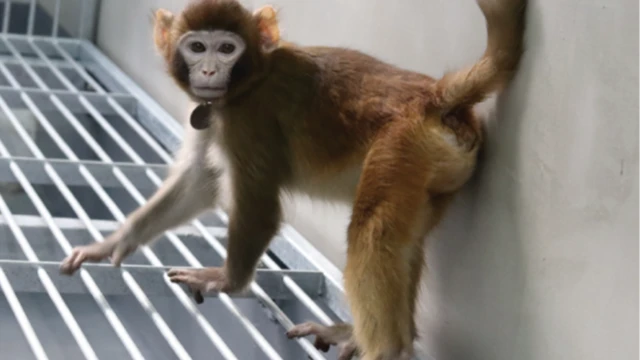
Wia dis foto come from, Zhaodi Liao, Nature
- Author, Pallab Ghosh
- Role, Science correspondent
- Published
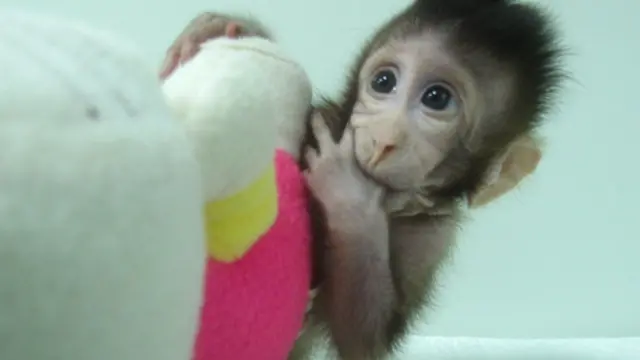
Chinese researchers don clone di first rhesus monkey, na specie of monkey wey dem dey normally use for medical research sake of say dia anatomy resemble human being own.
Cloned lab monkeys fit increase speed for drug testing as genetically identical animals dey give like-for-like results wey go boost certainty for trials.
Previous trials to clone di monkey bin no work or di clones die hours afta dem born dem.
One animal rights group say dem dey very concerned by di development,
For mammals na sex dey lead to pikin wey go get combination of genes from im mama and papa. For cloning, dem dey use some kain methods take make genetically identical copy of one single animal.
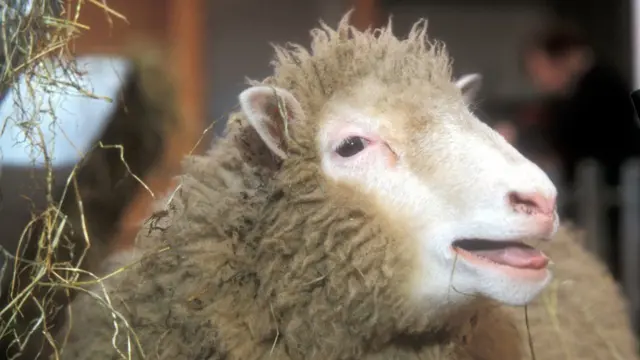
Di most popular cloned animal wey dem call Dolly di sheep, bin dey created for 1996. Scientists reprogram skin cells from anoda sheep to turn dem to embryos wey dem carry put for Dolly surrogate mama.
Di researchers write for di journal, Nature communications say dem use di same method but with rhesus monkey. Dem say di animal stay healthy for ova two years, wey mean say di cloning process bin dey successful.
Dr Falong Lu of di Universtiy of Chinese Academy of Sciences tell BBC News say everybodi bin dey jolly on di success.



End of Di one wey oda users dey read well well
But tok-tok pesin for di UK Royal Society for the Prevention of Cruelty to Animals (RSPCA) say dem believe say di animal suffering wey dey happun, big pass any immediate benefits to human patients.
Rhesus monkeys dey found inside di di wild for Asia from Afghanistan to India, Thailand, Vietnam and China. Dem dey used for experiments or take study infection and immunity.
Di first macaque monkeys bin dey cloned for 2018, but medical researchers prefer rhesus monkeys sake of how dem genetically resemble human beings.
Wia dis foto come from, Chinese Academy of Sciences
Di problem of reprogramming adult cells to take make embryo be dat most times dem dey make mistakes for di reprogramming wey be say na only few go dey born and fewer go dey born healthy, like 1 to 3% for mammals. And e bin dey harder for rhesus monkeys wey dem bin no born any of dem till di team succeed two years ago.
Dem discover say for di attempt wey fail, di placenta wey dey give oxygen and nutrient to di foetus bin no dey reprogrammed wella for di cloning process and so e no develop normally.
Di researchers solve am by say dem no use di part of di cloning wey dem dey use make placenta. As di picture show dem comot di inner cells wey suppose grow to di bodi of di animal and put am for non-cloned outer embryo. Di hope na say e go grow to normal placenta.
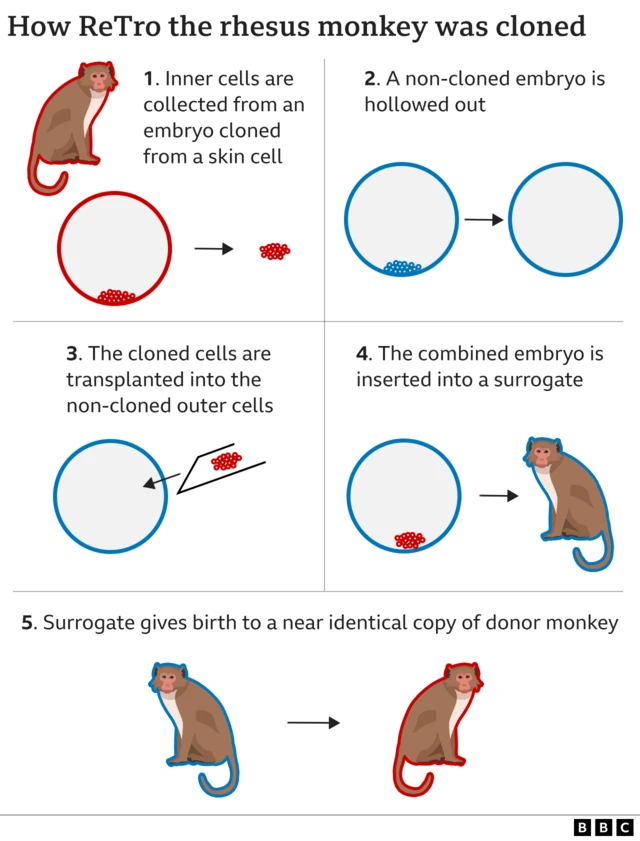
Di researchers bin use 113 embryos, 11 of dem wey dem put for belle, and get two pregnacies and only one live birth.
Dem call di monkey, "ReTro", afta di method dem use make am wey be "trophoblast replacement".
Di RSPCA say dem bin get doubt about di research.
Tok-tok pesin say "Immediate use for dis study no dey. We suppose tink say human patients go benefit from dis experiments but any real-life applications still dey years away and e dey likely say more animal 'models' go dey necessary to develop di technologies.
"Di RSPCA dey worry about di plenti animals wey go suffer for dis experiments and di veri low success rate. Primates get sense, and dem no be just research tools."
Prof Robin Lovell-Badge, of di Francis Crick institute for London, wey support animal research wen di benefits to humans pass animal suffering get di same worry.
"To get animals wey get di same genetic make up go reduce di variation for experiments. But you gatz ask weda e worth am.
"Di number of attempts plenti. Dem bin need use many embryos wey dem go put for many surrogate mothers to born only one live animal."
Prof Lovell-Badge also get worry say na only live birth dem get.
"You no fit make any conclusions about di success rate of dis method wit just one birth. Na nonsense to tok say you fit. You go need at least two, e beta make e pass."
To ansa, Dr Falong Lu tell BBC News say di team aim na to get more cloned monkeys as dem reduce di number of embryos dem dey use. E add say dem get all di ethical approvals for dis research.