‘My skin colour mean say I no belong’
Wia dis foto come from, Khawla Ksiksi
Black women for Tunisian say dem dey experience more instances of racism afta President of di kontri criticize sub-Saharan migrants.
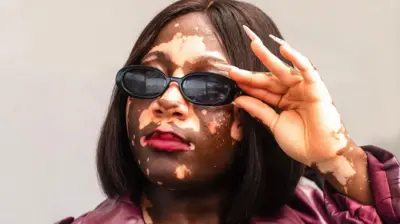
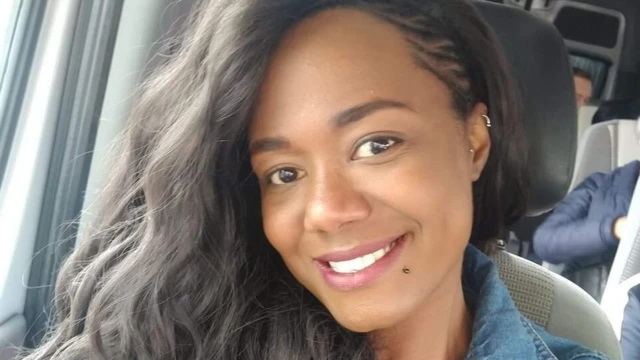
“For Tunisia pipo always question di fact say I be Tunisian” na wetin activist Khawla Ksiksi, wey he black Tunisian citizen tok.
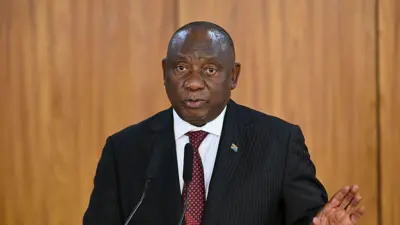
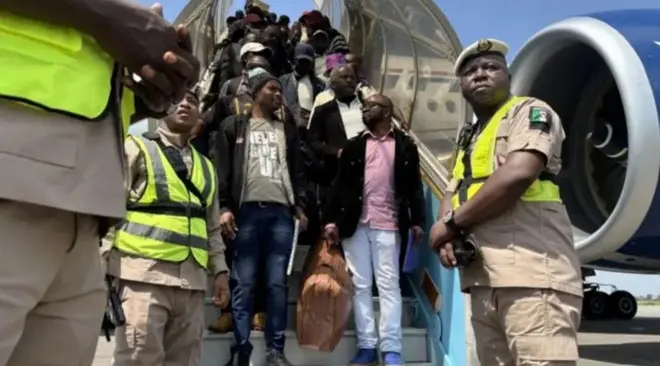
For February, President Kai’s Saied order”urgent measures against Sub-Saharan migrants, e accuse dem of “criminal plot” to change dia demographics of cultural identity.
Im continue to tok say immigration come from “ a desire to make Tunisia just anoda African kontri wey no be member of di Islamic and Arabic world.
Violence against black African migrants don increase since according to Human Rights watch, and di statement only make di situations worse for black Tunisians wey make up between 10-15 percent of di Tunisian population, according to official figures.
Dis number include some wey be decendants of Sub- Saharan Africa slaves-dem abolish slave trade for Tunisia nearly 180 years ago while odas trace dia origins far back.
Ms Ksiksi tell BBC say say dem dey make her feel invisible “sometimes I dey speak in Arabic and dem go answer in French sake of say dem no want me to be part of Tunisia.”
Arabic na di official language for Tunisia, but Ms Ksiksi say dem dey reject her evritime wen she speak am sake of say oda pipo no wan to acknowledge a sense of kinship wit her.
End of Di one wey oda users dey read well well
Even though French dey associated wit privilege and education na also di language of “outsiders” and ao wen pipo use am reply her dem dey make a clear say dem no tink say she be Tunisian.
Wia dis foto come from, Reuters
Ms Ksiksi wey be di co-founder of di Voices of black Tunisian Women collective, want to challenge di misconception say black Tunisians no dey exist.
“I feel like I belong to Tunisia even though e dey so violent towards me( and pipo wey look like me.” di 31 year old tok.
“ Dem no dey treat us as dem dey treat Tunisians and dem dey treat demsefs like say dem no be Africans”.
She argue say despite dia independence from France for 1956, Tunisians want make dem see dem like say dem be part of Europe, and di colonial belief wey say black Tunisians dey “dusty and unclean” still Dey go on.
“ Na why we get big identity crisis for Tunisia, we get independence for paper but di colonial politics still dey hia”
A lack of black representation for places of social and political power, she believe say, go reinforce di idea say black Tunisian citizens no dey.
“ My skin colour say I no belong so as black Tunisians we dey constantly prove say we dey enough” Ms Ksiksi tok.
For black women e dey even harder she add: In school, I need to always get di best grades but all di teachers tink say I go do mago-mago sake of say for dia mind black pipo no always dey intelligent.”
Di activist say she bin don get di financial resources to get beta education but dis privilege don make her feel isolated many times.
“Di fact say you be di only black pesin inside di room make you dey feel one kind and dey on your own.
“ I dey always feel say evritin dey white and I be di black dot”.
Wia dis foto come from, Houda Mzioudet
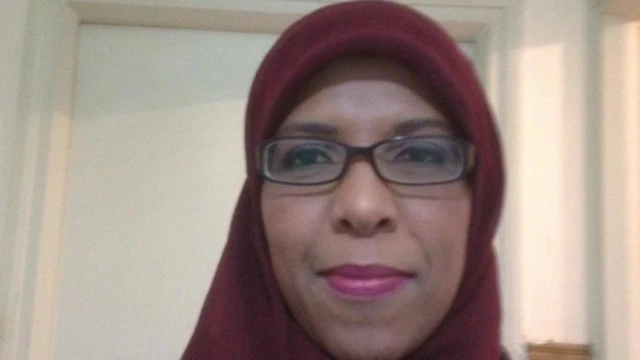
Like Ms Ksiksi, Houda Mzioudet say di problem be say dem don already build Tunisian society on “ homogenized nationhood” wey no dey allow di discussion of racism.
“ Wetin dey more violent for Tunisia no be racism imsef but di denial of racism, wia dem Dey deny you your own horrific experience of racism” na wetin di 46 years old academic researcher and lecturer.
In response to di president statements, some black Tunisian women, including Ms Mzioudet, take part for di “Carrying My Papers Just in Case” trend for Facebook.
Dem wear dia passports and ID make e Dey show well well for dia clothes to show say dem be Tunisian but also in solidarity with migrants.
Dem born Ms Mzioudet for di capital, Tunis but she grow for di south of di kontri wia she witness a “ de facto form of slavery and apartheid for di 1990s.
Di slave trade wey involve di selling of black Africans na for 1846 dem abolish am for Tunisia, but im legacy still dey live on.
"Continuation of domestic slavery don dey, although dem no longer dey call am black people slaves but instead servants - hence di Tunisian Arabic word to refer to a black person na 'wessif' wey mean 'servant'," Ms Mzioudet tok.
Despite say she come from privileged background, she find for school say career expectations for black women tend to be things like dancing or singing - "or something like prostitution".
"Growing up for one environment where dem don already dey objectify and sexualise black women e dey very hard for me to emancipate myself from dat picture," she tok.
For Ms Mzioudet, di president statements about sub-Saharan migrants na backlash against di Arab Spring and wetin e represent for black Tunisians.
For 2011, long-serving President Zine al-Abidine Ben run comot di kontri amid one unprecedented wave of street protests. Di subsequent introduction of democracy after decades of dictatorship creat opportunity for black Tunisians to be visible for di society.
Black Tunisians begin dey demand more equal treatment and Ms Mzioudet feel more comfortable describing herself as black.
Wia dis foto come from, Getty Images
For 2018, Tunisia bin pass one landmark law to criminalise racial discrimination, in particular anti-black racism against black Tunisians and black African migrants. E den become du first country for di Arab region to make discrimination specifically on racial grounds a criminal offence.
Both Ms Ksiksi and Ms Mzioudet say despite these laws, di goment don allow di discrimination and inequality faced by black Tunisians to flourish.
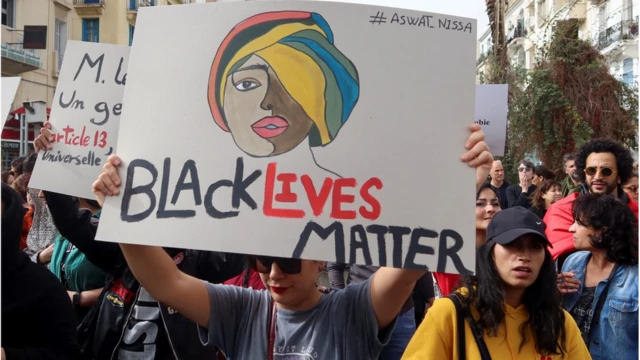
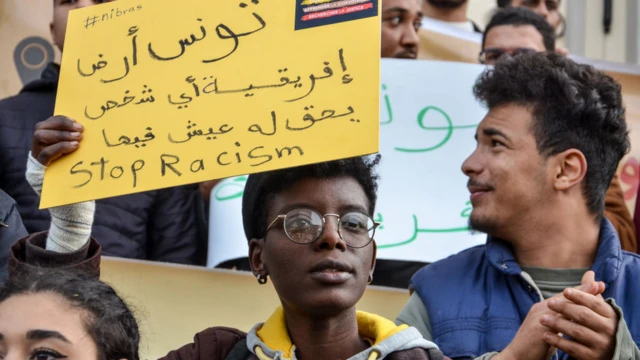
For February, hundreds of pipo carry waka streets of Tunis in support of black African migrants and black Tunisians, a positive sign say hope dey say di younger generation wan see change, Ms Mzioudet tok.
"I tear-tear to see one of di largest marches for downtown Tunis wey dey mostly made up of non-black Tunisians wey dey say black lives do matter," she tok.
"Anddat no be black issue but a human rights issue."