‘My employers lock me inside house run comot to save dia own lives’
- Author, Manal Khalil and Ethar Shalaby
- Role, BBC News Arabic
- Published
- Read am in 5 mins
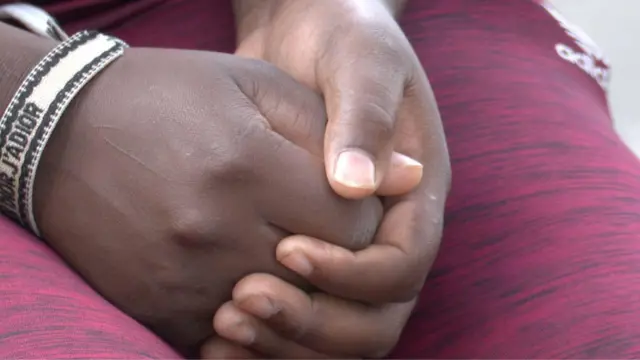
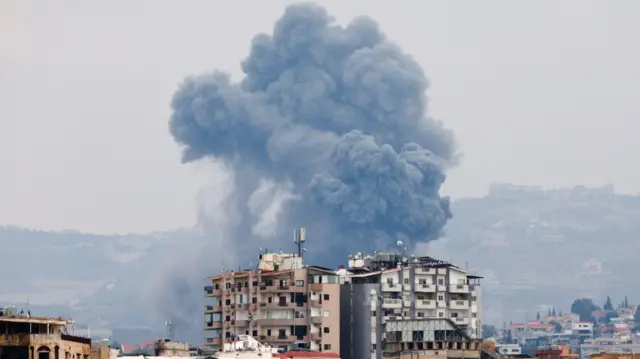
Wen Israeli air strikes hit her employer house for southern Lebanon, Andaku (no be her real name) find herself all alone, locked inside and wit plenty fear.
Di 24-year-old Kenyan national don dey work for Lebanon as a domestic worker for di past eight months, but say di last month na im be di toughest, as Israel intensify dia bombing of di south of di kontri.
“A lot of bombings bin dey. E bin dey too much. My employers lock me isnide house and run comot to save dia own lives," she tell di BBC.
Di sound of explosions don leave Andaku traumatised. She don lose track of how many days she dey alone for house before her employers return.
“Wen dem come back, dem throw me out. Dem neva pay me and I no get anywia to go,” she tok, adding dat she bin dey lucky enof to get enough money to catch a bus to di capital, Beirut.
Andaku story no be di only story like dat or di first one.
On Friday, United Nations officials say most of Lebanon nearly 900 shelters dey full, expressing concern for tens of thousands of mostly female domestic workers wey dey "abandoned" by dia employers since tensions escalate last month.
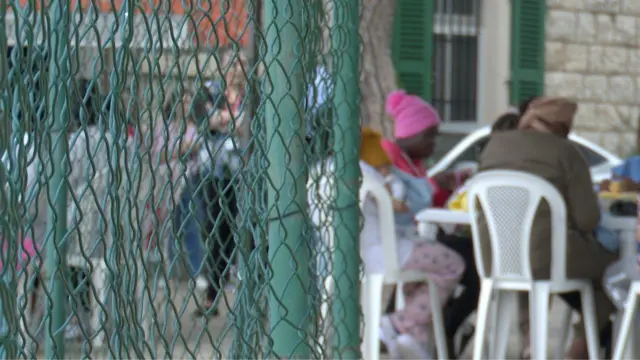
According to di IOM, e get around 170,000 migrant workers in Lebanon; many of dem na women from Kenya, Ethiopia, Sudan, Sri Lanka and Bangladesh.



End of Di one wey oda users dey read well well
"We dey receive increasing reports of migrant domestic workers wey dey abandoned by dia Lebanese employers, either dem leave dem on di streets or for dia homes as dia employers run comot," na so Mathieu Luciano, di IOM head of office in Lebanon, tok during a press briefing in Geneva.
Many foreign domestic workers travel to go work for Lebanon to dey able to provide financial support for dia families back home.
Di average monthly salary for African domestic workers dey estimated to be around $250, whereas Asian housekeepers could earn up to $450.
Foreign domestic workers get to abide by di Kafala (sponsorship) system in Lebanon, wey human rights groups describe as "perilous".
Di system no dey guarantee protected rights for migrant workers, and e allow employers to seize dia passports and withhold dia wages. Workers dey go through agencies wey deybased in Lebanon.
“Di lack of legal protections within di Kafala system, combined with restricted movement, mean say many pipo fit dey trapped in exploitative conditions. Dis one don result to instances of abuse, isolation, and psychological trauma among migrant workers,” Luciano tok.
“Furthermore, we dey aware of cases of migrants wey dey locked into houses of Lebanese citizens wey don run comot, to look after dia properties,” e add.
No place to go
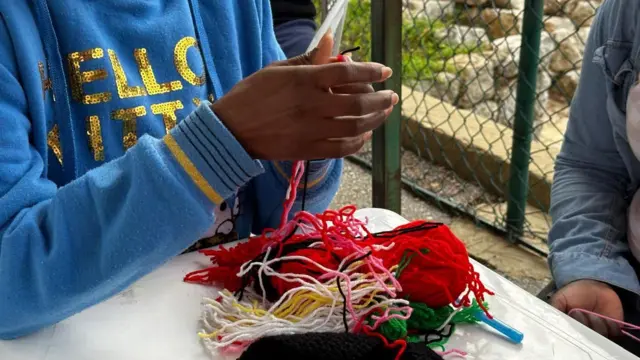
Mina (also not her real name) come from Uganda and she don be a domestic worker in Lebanon for one year and four months.
She tell di BBC say she bin dey mistreatedby di family she work for and decide to escape and return to her agency.
Hoping say she go receive help, Mina say she bin dey shocked to learn say she gatz to work for anoda family on a two-year contract bifor she go fit return home.
“Wen I return to di office [di agency], I tell dem say I don work enough to dey able to pay for my ticket and return back home. Dem take my money and ask me to work for one house for two years before I fit travel home,” di 26-year-old housekeeper tok.
Having to live wit di continuous ear-splitting sounds of explosions lead to Mina mental health to dey affected. She no fit do her assigned domestic tasks properly, so she ask her new employer to leave.
She bin dey work for a family in Baalbek,a city in north-eastern Lebanon, for Beqaa Valley.
“[Di family] bin don beat me, push me and throw me out... E bin get so many bombs at dat time. Wen I comot, I no get anywia to go,” she tok.
Wia dis foto come from, Reuters
Anoda domestic worker from Kenya don share her story wit di BBC.
Fanaka, wey be 24-years-old, say her agency go send her to work in different homes evri two months, and she don dey suffer from continuous headaches.
"I dey try to do my best at work, but nobody dey born perfect,” she tok.
Di women say dem dey face many challenges while living on di streets, as many shelters refuse to take dem in, claim say dem dey reserved for displaced Lebanese, not foreigners.
All three manage to reach Caritas Lebanon - a Lebanese non-governmental organisation wey don dey provide help and protection for migrant workers since 1994.
For audio recordings wey dem send to di BBC, migrant workers from Sierra Leone say dozens of dem remain stranded on di streets of Beirut and dem dey in desperate need of food.
Odas don report to local media say dem dey denied entry to goment-organised shelters becos dem no be Lebanese.
Di BBC contact local authorities, wey deny any form of discrimination.
Sources from di ministry of education tell di BBC: "No specific centres dey designated for foreign domestic workers, but at di same time, dem no refuse dem entry."
E dey understood say some workers dey avoid official shelters, as dem dey fear repercussions over dia incomplete legal documentation.
Hessen Sayah Korban, head of di protection department at Caritas Lebanon, say her NGO currently dey shelter around 70 migrant domestic workers, wey be mainly mothers with children.
She say more funding dey needed to dey able to provide shelter for up to 250 domestic workers; all either dey abandoned by dia employers, or homeless and dem don seize dia official documents.
“We dey try to provide dem wit all di help needed; e fit be legal, mental or physical,” Korban tok. She add say many domestic workers require help with dia mental health, becos dem dey traumatised, due to conflicts within di families dem bin dey work for, or as a result of di larger conflict in di country.
Since di beginning of October, di IOM don receive over 700 new requests from pipo wey dey seek help to return to dia kontries of origin.
Caritas, along wit oda NGOs, dey co-ordinate with various embassies and consulates to arrange di smooth deportation of abandoned domestic workers back to dia kontries.
“Na process wey currently dey ongoing. We dey seek a safe return to dia home towns, while co-ordinating with di IOM and di Lebanese security services,” she add.


