Why Britain separate India and Pakistan 75 years ago?
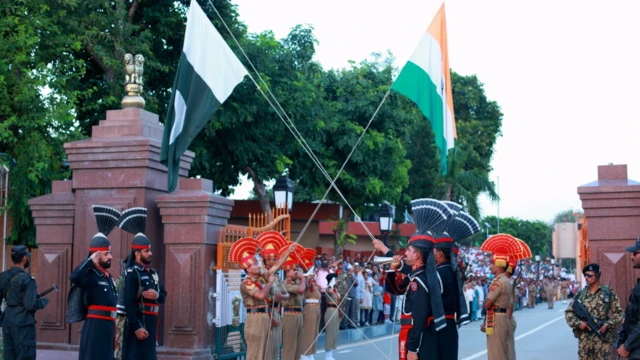
Wia dis foto come from, Getty Images
For August 1947, Britain grant India independence.
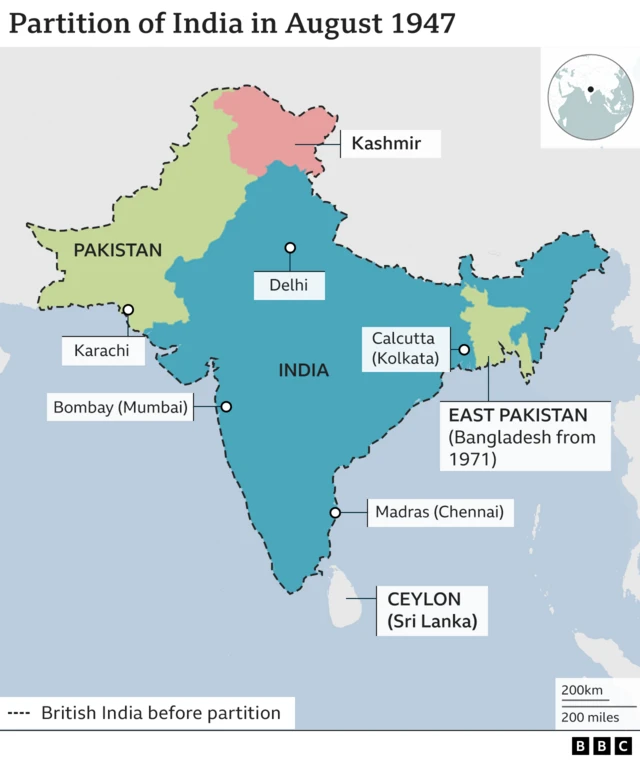
Di territory dem don rule over dey divided, or partitioned, into India and di new state of Pakistan (wit East Pakistan wey later become Bangladesh).
Dis create one big gebge wey approximately 15 million pipo dey displaced, and estimate of one million pipo lost dia lives.
India and Pakistan don remain rivals since den.
Why partition happen?
For 1946, Britain announce say dem go give India independence. Dem no fit longer afford to administer di kontri and want to leave as quickly as possible.
Di last viceroy, Lord Louis Mountbatten, bin set di date as 15 August, 1947.
At dis time, di population of India be approximately 25% Muslim. Di remainder be mostly Hindu.
Di population also contain Sikhs, Buddhists and members of oda minority religions.



End of Di one wey oda users dey read well well
Wia dis foto come from, Getty Images
"Di British bin use religion as a way to divide pipo wey dey India into categories,"Professor Navtej Purewal, wey be Indian Fellow for di Arts and Humanities Research Council tok.
"For example, dem create separate Muslim and Hindu lists of voters for local elections. Dem reserve seats for Muslim politicians, and seats reserve for Hindus. Religion become factor for politics."
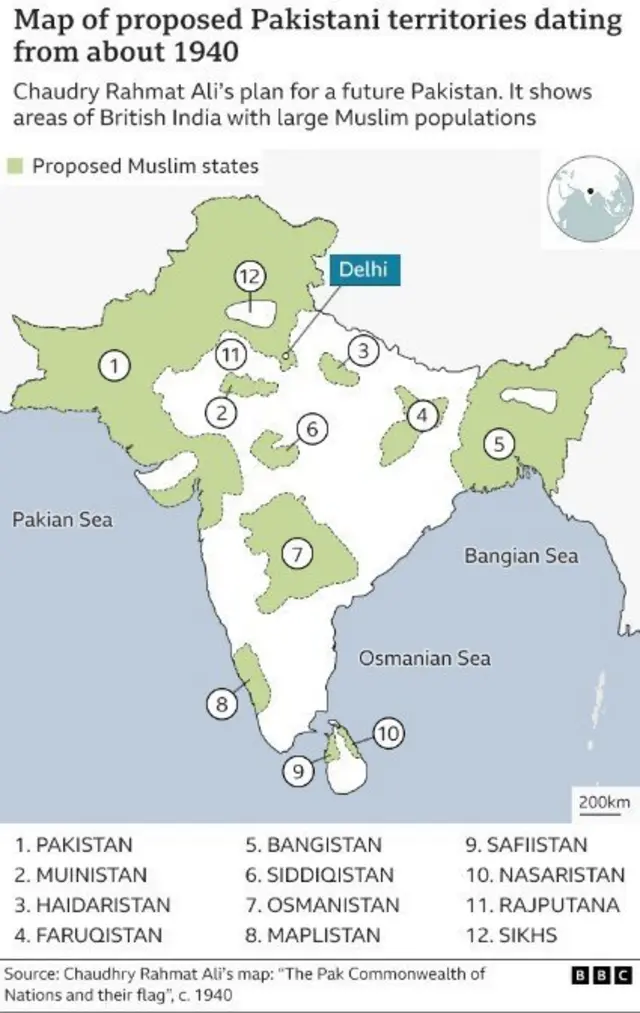
"When e be look likely say India go get independence", Dr Gareth Price for di UK-based Chatham House foreign policy institute tok, "many Muslim Indians begin worry about how dem go live for kontri wey Hindu majority dey rule,"
"Dem think say go dey overwhelmed," e tok. "Dem start to support political leaders wey campaign for separate Muslim homeland."
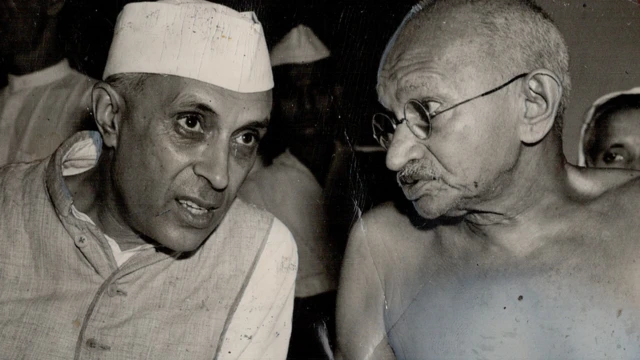
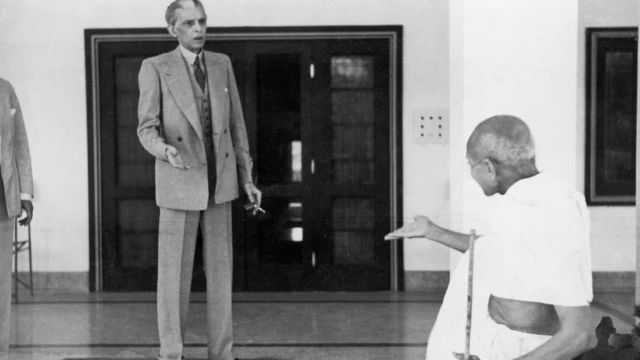
Mohandas Gandhi and Jawaharlal Nehru, leaders of di Congress independence movement, say dem want united India wey embrace all faiths.
Wia dis foto come from, Getty Images
However, Muhammad Ali Jinnah, di leader of di All-India Muslim League, demand partition as part of di independence settlement.
"E for take one long time to get agreement about how one united India go fit work," Dr Price.
"Partition tink to quick and simple solution."
Wia dis foto come from, Huw Evans Picture Agency
How much suffering Partition cause?
Di new borders between India and Pakistan dey drawn up for 1947 by British civil servant, Sir Cyril Radcliffe.
E bin divide di Indian sub-continent very roughly into one central and southern part where Hindus formed di majority, and two parts for di north-west and north-east where Muslims form di majority.
However, Hindus and Muslims communities dey scatter throughout British India. Dis mean say afta partition, approximately 15 million pipo travel - often hundreds of miles - to cross di newly created frontiers.
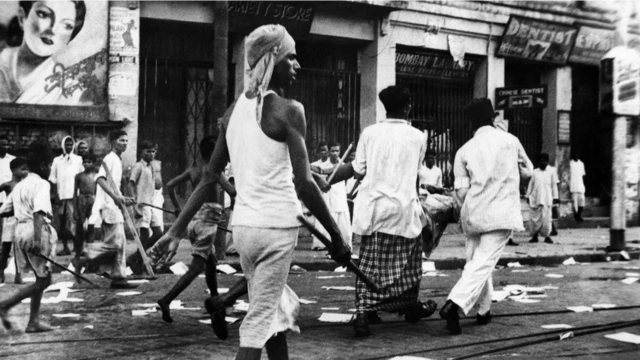
For many cases, communal violence chase pipo out of dia homes. Di first example of dis be di Calcutta Killing of 1946, wey estimate 2,000 pipo dey killed.
"Di Muslim League form militias, and di right-wing Hindu groups," Dr Eleanor Newbigin tok, senior lecturer for South Asian history for SOAS, University of London.
"Terror groups go chase pipo out of dia villages, to get more control for dia own side."
Wia dis foto come from, Getty Images
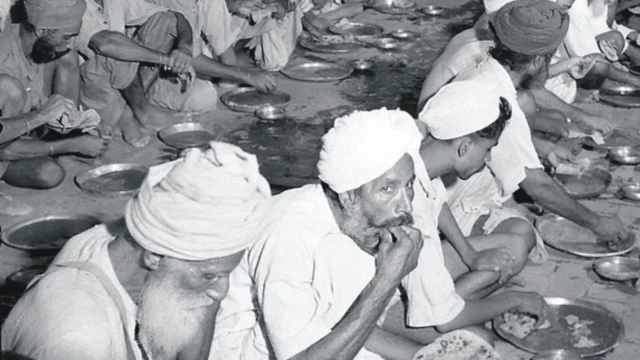
Anywhere between 200,000 and one million pipo dey estimated to don die, or to don die of disease for refugee camps.
Tens of thousands of women, both Hindu and Muslim, dey raped, abducted, or disfigured.
Wetin be di consequences of partition?
Since partition, India and Pakistan don repeatedly fight over who go control di province of Kashmir.
Dem don fight two wars over am (for 1947-8 and 1965), and dem also clash for 1999 Kargil crisis for Kashmir.
Both kontries claim di province as dia own, and dey currently administer different parts of am.
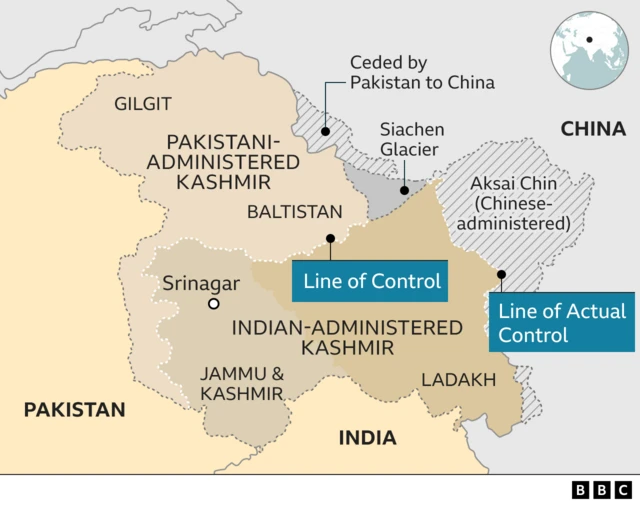
India also fight wit Pakistan for 1971, when dem chook mouth to support East Pakistan (now Bangladesh) for dia war of independence against Pakistan.
Less dan 2% of di population of Pakistan now be Hindu.
"Pakistan don become more and more Islamic," Dr Price tok, "Dat be partly sake of say many of im population now be Muslim, and only small Hindus remain there"
"And India now dey come more under di influence of Hindu nationalism."
Wia dis foto come from, Getty Images
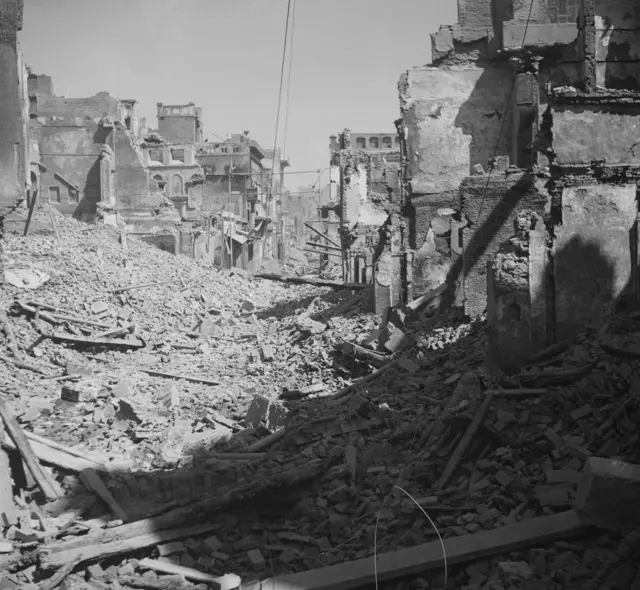
"Di legacy of partition dey distressing," Dr Newbigin tok.
"E don create powerful religious majorities for both kontries. Di minorities don become smaller and more vulnerable dan dem dey bifo."
Partition fit dey avoided, Professor Navtej Purewal tok.
"E fit dey possible for 1947 to don create one united India. E fit be one loose federation of states, including states wia Muslims be majority," she tok.
"But Gandhi and Nehru both insist say dem want get unified state, wey dem go dey control from di centre. Dem no really consider how Muslim minority fit live within dat kind kontri."