Wetin you need to know about Leptospirosis - Unknown disease dem identify for South of Tanzania
Tanzanian goment don identify as Leptospirosis, di unknown disease wey dem report for di southern part of di kontri some weeks ago.
Goment say health experts carry out tests on samples from patients wey get di disease for Lindi region.
Di disease don kill three and infect more dan 10 pipo.
Di Health Minister Ummy Mwalimu say di bacterial disease dey transmitted from animals to humans.
About 10% of pipo dey develop serious forms of Leptospirosis and show symptoms like kidney failure, liver damage and bleeding.
Around 5% to 10% of those cases dey fatal - dey lead to death.
Wetin be Leptospirosis?
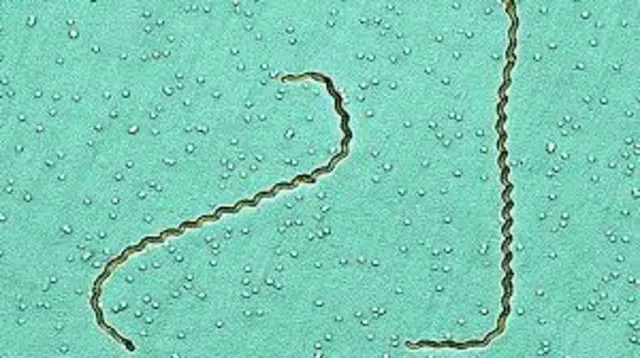
According to America Centres for Disease Control and Prevention, Leptospirosis na bacterial disease wey dey affect humans and animals. Na bacteria of di genus Leptospira.
For pesin body, e fit cause wide range of symptoms, some of wey fit dem fit mistake for oda diseases.




End of Di one wey oda users dey read well well
Sometimes, infected pesins no dey show symptoms at all.
Without treatment, Leptospirosis fit lead to kidney damage, meningitis (inflammation of di membrane around di brain and spinal cord), liver failure, respiratory distress, and even death.
How Leptospirosis take dey spread?
Di bacteria wey dey cause leptospirosis dey spread through di urine of infected animals.
Many different kinds of wild and domestic animals dey carry di bacterium and wen dem pee for inside water or ground, e fit remain dia for weeks or even months.
Di animals include but no dey limited to:
- Cow
- Pigs
- Dogs
- Rodents
- Wild animals
Wen dis animals dey infected, dem fit no show symptoms of di disease.
Human beings fit become infected through:
- Contact wit urine (or oda body fluids, except saliva) from infected animals.
- Contact wit water, soil, or food wey dey contaminated wit di urine of infected animals.
Di bacteria fit enta di body through skin or mucous membranes (eyes, nose, or mouth), especially if di skin get cut or scratch.
Drinking contaminated water fit also cause infection.
Outbreaks of leptospirosis dey usually happun afta exposure to contaminated water, like floodwater.
Pesin to pesin no too dey common.
Symptoms of Leptospirosis?
For humans, Leptospirosis fit carry plenty symptoms wey include:
- High fever
- Headache
- Chills
- Muscle aches
- Vomiting
- Jaundice (yellow skin and eyes)
- Red eyes
- Abdominal pain
- Diarrhea
- Rash
Many of dis symptoms fit dey mistaken for oda diseases. In addition, some infected pesins fit no get symptoms at all.
Di time wey dey between say pesin dey exposed to contaminated source and e become sick na 2 days to 4 weeks. Di sickness dey usually begin wit fever and oda symptoms.
Pipo wey dey at risk of exposure?
Leptospirosis dey occur for everywia for di world but e dey most common in temperate or tropical climates.
E dey happun more to pipo wey dey work outdoors or wit animals like:
- Farmers
- Mine workers
- Sewer workers
- Slaughterhouse workers
- Veterinarians and animal caretakers
- Fish workers
- Dairy farmers
- Military personnel
Di disease also don dey associated wit swimming, wading, kayaking, and rafting for contaminated lakes and rivers.
Sake of dat, campers or those wey dey participate for outdoor sports dey at risk. Di risk dey high for pipo wey dey participate for dis activities for tropical or temperate climates.
In addition, incidence of Leptospirosis infection among children for city don dey rise.
How to prevent Leptospirosis
Di risk of getting leptospirosis fit dey greatly reduced if pesin no swim or play inside water wey fit don dey contaminated wit animal urine or dey close to infected animal.
Make pipo wey dey work for wia dey exposed to contaminated water or soil wear protective clothes and shoes.