Increase in large-scale fly-tippingpublished at 12:54 GMT
 Paul Lynch
BBC Shared Data Unit
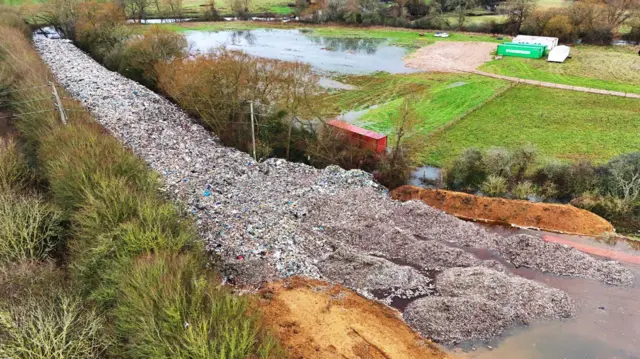 Image source, PA Media
A huge pile of fly-tipped waste was dumped in a field in Oxfordshire last year
For years, the number of fly‑tipping incidents reported in England hovered around one million annually.
But in 2020, the BBC’s Shared Data Unit identified a worrying trend: large‑scale incidents the size of a “tipper lorry” or bigger had been rising steadily.
Campaign groups pointed to organised crime as the driving force. Fake waste‑clearance firms, posing as legitimate operators, were dumping commercial waste in fields, barns and parks.
High‑profile cases, like the 150m‑long waste mound beside the A43 in Oxfordshire, may draw headlines, but thousands more a year are still substantial in scale and are continuing to increase in frequency.
In 2019‑20, councils logged around 31,000 incidents at least a tipper lorry in size; last year that had risen to nearly 52,000. The cost of clearing them, more than £19m.
Yet, those campaigners still argue punishment remains too low when it comes to the bigger offences. Only 663 fines more than £1,000 have been issued to fly-tippers since 2019.