Social and ecological issues
The Basic material that goods are made from such as crops, metals, wood and animal products such as wool and leather. used in the production of electronic and mechanical systems can have a severe impact on the environment.
Metals used for A copper sheet used to attach electrical components. , vehicle parts and A part that when put together makes a product. are Taken out. from mined A rock containing enough quantities of a mineral for extraction to be possible.. Large areas of land are cleared to dig mines, sometimes destroying natural habitats. Surrounding areas can also be affected by waste chemicals, the burning of Natural, finite fuel formed from the remains of living organisms, eg oil, coal and natural gas. and polluted water, all of which can all be harmful to the environment.
Electronic and mechanical products use tiny quantities of rare earth metals such as A rare earth metal used in magnets. used in magnets, or A rare earth metal often used to strengthen other metals in engines. , used to strengthen metals in aircraft engines. These materials are critical to their production and have a limited, Something that has a limited number of uses before it is depleted. For example, oil is a finite resource. supply; they should be Used materials that have been reprocessed to make new materials. where possible. Otherwise, they need to be disposed of carefully as they can lead to long-term pollution problems.
Plastics for making product cases, A non-solder way to model electrical circuits. and insulation come from oil that has to be drilled from underground. Drilling for oil releases toxic chemicals into the atmosphere and surrounding water sources. If it leaks, either from the drill site or while being transported, oil is extremely harmful to wildlife. When sites are cleared for drilling, The cutting down of trees and forests to allow a different land use. affects human and animal populations by damaging water supplies, drainage and habitats. Transporting raw materials and then processing them into a usable form also harms the environment by creating CO2Substances that are given off, especially in the form of gas. from vehicles and factories.
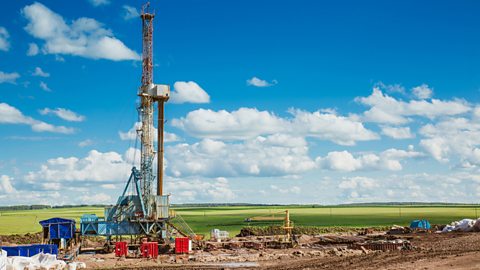
Oil and metal ores are finite resources and will eventually run out; as they become less available, the cost rises and more land is destroyed in an attempt to find more. Designers, scientists and engineers are constantly looking for new ways of producing products without harming the environment - for example, using rechargeable batteries rather than increasing the amount of batteries that need disposal, or creating products out of Inexhaustible and replaceable. resources such as fast-growing bamboo or recycled metals.
Production of electronic and mechanical components can produce a range of materials that are dangerous to dispose of, such as lead, mercury and cadmium. The Restriction of Hazardous Substances (RoHS) is a UK law that restricts the use of hazardous substances and controls the disposal of unavoidably used materials. Designers need to be aware of these restrictions when designing new products. The Waste Electrical and Electronic Equipment Directive (WEEE) aims to control the disposal of products after consumers have used them - for example, how dangerous materials, such as mercury, are disposed of.
Whenever environmental impact is to be reduced, ‘the 6 Rs’ can be addressed to ensure an in-depth analysis has been done. The 6 Rs can be considered by the designer, the manufacturer and the In business, a consumer is a person who uses a product and may also buy it. to reduce the negative impact on the environment.
Considering the 6 Rs when designing food packaging
- To make decisions that decrease the amount of waste produced - one of the 6 Rs. - Can the amount of materials used be reduced? Can the components be bought locally to reduce product miles?
- To use a product again rather than replacing with a new one - one of the 6 Rs. - Can the electrical and mechanical products be reused for another purpose once a product is finished with?
- To break down and process so a new material is produced - one of the 6 Rs. - Can the electrical and mechanical products be disposed of correctly so that they can be recycled to create another product, like using A copper sheet used to attach electrical components. set in resin to make a decorative product?
- To change the design of a product to be more environmentally friendly - one of the 6 Rs. - Can the way a product is made be redesigned so that less material is used?
- To avoid using a product to save on waste - one of the 6 Rs. - Is it feasible to refuse to upgrade electrical products if they are still working, rather than changing products as soon as an improved version is released?
- To fix a broken product - one of the 6 Rs. - When a product is broken, can it be repaired rather than discarded?
