Informing design decisions
When developing new technologies, designers have to evaluate and consider a wide range of issues whether it is the aesthetic appeal to the consumer, the safety of the product or how it will be manufactured. As part of this development, there are wider issues that are growing in importance due to their value to the customer. Wider issues to be considered are ethics, the environment and how a product can be enhanced.
Ethics
Consumers’ choices can be influenced by their own moral or ethical values; therefore, it can be worth considering appealing to these. This could relate to the sourcing of materials, testing on animals or the treatment of workers. The packaging of products will often include labels or information to show these points.
Fair trade
Fair trade helps to make global trade fairer by ensuring that workers and farmers in developing countries receive better prices, improved rights and working conditions. helps disadvantaged farmers or producers in developing countries by promoting fair trading conditions and combatting poverty. 'Fairtrade' certifies products that meet high economic, environmental and social standards. Farmers will have received a fair price for their product and have decent working conditions.
Environment
Products can be designed with consideration given to their impact upon the environment, and how negative impact can be kept to a minimum.
Environmental design
Designing products by ensuring minimal impact on the environment. is something designers are increasingly considering by:
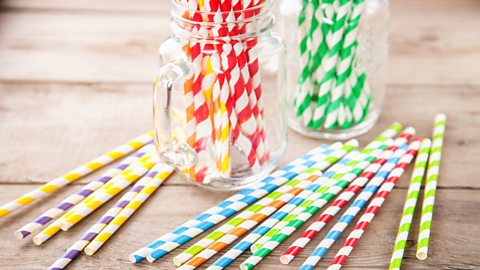
- making products from Inexhaustible and replaceable. materials, such as paper straws instead of plastic, to create less waste material
- transporting materials in a more efficient way to cut down on emissions of The gases responsible for global warming and climate change - carbon dioxide, methane, nitrous oxide and CFCs (chlorofluorocarbons).
- cutting down the use of Resource that can only be used once and is in limited supply. For example, oil is a finite resource. for use in production and for energy supply; improving the overall environmental impact of a product
Design for maintenance
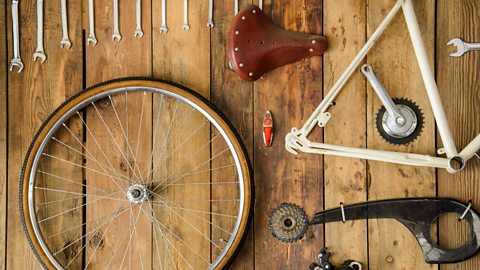
Ensuring a product lasts long through parts that can be repaired or replaced easily. is a term used when designing products that are more Hardwearing. and have spare parts available to mend and maintain them. This is only possible with low-tech or Sections that can be moved into different arrangements. products that don’t require a great deal of skill to repair. For example, a push bike can be regularly maintained, with parts such as pedals and chains being replaced when they are damaged.
Design for disassembly
Ensuring a product can be taken apart for responsible disposable such as recycling or reusing. is a concept that when a product has reached the end of its life it can be taken apart and parts To use a product again rather than replacing with a new one - one of the 6 Rs. or Used materials that have been reprocessed to make new materials.. For instance, a stool could be unscrewed to allow the plastic seat and steel legs to be recycled.
Planned obsolescence
Deliberately giving a product a short life span. is the practice of designing products that will have a limited lifecycle and that will become obsolete and require to be replaced, such as disposable razors. Modern mobile phones are a good example as they need continual software upgrades and they are soon replaced by new better-performing models. Planned obsolescence is generally bad for the environment as it creates more waste.
Product enhancement
A change to a product to improve its performance. is any change or enhancement to a product that improves its performance beyond its original capabilities. Product enhancement is often seen in computers, where upgrades to software or programmes can be installed to improve performance. It is also seen in cars, where seating can be upgraded for superior comfort, or in spectacles, where further treatments can be made to the lenses to improve the customer’s experience.
Product enhancement maintains the life of the product and allows for further customisation and upgrading as technologies develop. However, it can create confusion, as consumers are given greater choice, and designers need to develop a range of possibilities for one specific product, which increases investment costs.
