Impact on sustainability
Greater consideration is now given by some companies to ensure that the materials and energy used are A sustainable resource can be replaced once used. As a tree is chopped down, many more can be planted to ensure the use of trees can be sustained. . This includes where the resources come from, their impact on the planet and what happens to them when they are no longer used.
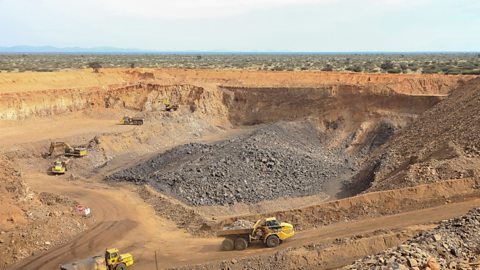
Finite resources
Resource that can only be used once and is in limited supply. For example, oil is a finite resource. are A resource that cannot be replaced when it is used up, such as oil, natural gas or coal. and will eventually run out. Metals, plastics and Natural, finite fuel formed from the remains of living organisms, eg oil, coal and natural gas. (coal, natural gas and oil) are all examples of finite resources. Finite resources are popular as they are easily accessible due to strong supply chains and often have benefits for manufacturing particular products or for energy supplies. Many companies have become more careful in their use of finite resources, and they now consider the An analytical measurement of the amount of global resources used. caused by using such materials. However, not all companies do this. Some still rely on finite resources even though their use causes damage to the environment.
Non-finite resources
A renewable energy that harnesses the Earth's natural resources. are found naturally and can be replaced. Examples include wood, cotton and Power that is generated using natural resources that will not run out, eg wind and wave power. sources such as solar and wind. Where trees are cut down for wood or hibiscus plants When crops are collected from the fields. for cotton, new ones can be planted in their place.

Waste disposal
How materials and resources are disposed of is monitored and managed by local councils. Households are encouraged to recycle waste items where possible, including products made from various materials such as hard plastics, paper and steel. Natural garden waste can also be recycled. In 2023, the UK recycled 44 per cent of household waste. There is a national target to increase this to 65 per cent by 2035. All other waste goes to Places where refuse is buried underground., which release harmful gases that pollute the surrounding air and soil.
