Impact on the environment
Modern companies are encouraged to be less wasteful and more considerate of how they affect the natural environment. Companies are increasingly expected to evaluate how they work and to produce strategies that will help in a positive way.
Continuous improvement
A process of making small changes to improve the way a company works. is the practice of continually making small adjustments to production techniques to improve speed and quality and save resources. This process is known in industries such as manufacturing, healthcare, and services by the Japanese name ‘Kaizen’. It encourages people to work together and give regular feedback to make small improvements. This can increase productivity and create team harmony.
Efficient working
It is important to ensure that companies work in an efficient manner. This includes increasing the speed of production, reducing errors and reducing waste, which can be done by utilising Using automatic equipment in production. or The manufacture of a part or product from a computer aided design (CAD) using computer-controlled machinery, such as a 3D printer.. Implementing A set of checks intended to ensure that a product will meet the specified customer requirements once it has been manufactured. These procedures are followed before work is complete, as opposed to afterwards. checks ensures that errors are quickly spotted and provides the customer with reassurance.
Pollution
Contaminating the air, water or ground with harmful substances. is caused when harmful substances are released into the natural environment. Pollution can occur in the air, water or on land. Manufacturing processes in factories or the use of day-to-day products like cars can cause harmful chemicals, such as carbon monoxide and nitrogen oxides, to be released. These pollutants can damage ecosystems, harm wildlife, and affect human health.
Legislation has been brought in to help with this issue. For example, in the UK cosmetic products can no longer contain plastic Small beads of plastic that are found within some toiletry products such as shower gels. The beads help to exfoliate the skin as the shower gel is rubbed onto the skin.. These were banned in 2018, as these were previously polluting the ocean. Harmful products, such as batteries, should be disposed of correctly and companies are being encouraged by Benefits the governments can give businesses when they change manufacturing to benefit the environment. to recycle waste wherever possible.
![] A congested city skyline with a hazy fog of air pollution casting over the buildings.](https://ichef.bbci.co.uk/images/ic/480xn/p06lrnjy.jpg)
Climate change
Climate change refers to long-term shifts in global temperatures and weather patterns. The build-up of The gases responsible for global warming and climate change - carbon dioxide, methane, nitrous oxide and CFCs (chlorofluorocarbons)., such as carbon dioxide (CO₂) and methane (CH₄), trap heat in the Earth's atmosphere. These gases are released by activities like burning fossil fuels and manufacturing.
Growing environmental awareness has encouraged countries to limit greenhouse gas emissions and set targets for renewable energy generation. These actions aim to slow climate change. For example, some countries offer incentives to increase the use of electric vehicles, energy-saving devices, insulation and automatic shut-off devices. These can reduce energy use and emissions. However, other countries, including the United States, have faced criticism for inconsistent approaches to tackling climate change.
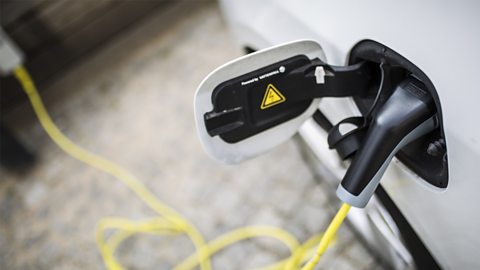
Image caption, Electric car on charge

1 of 2
