Iterative design
The iterative process in design
Producing iterative models
Designers typically work through an A cyclic design process of modelling and testing to achieve gradual improvements to the design. process, starting by producing early models or The first working model of a design used for testing, development and evaluation. to test different aspects of their design.
A prototype is an early sample, model or release of a product, built to test a concept or process or to act as something to be replicated or learned from. Early prototypes may be used to test the design’s appearance, functionality or The ability to work successfully. for production or as The testing of a product to confirm its potential to function as intended.. Their purpose is to facilitate quick testing, analysis and improvement through iterative changes. James Dyson famously made 5,127 prototypes before he successfully made his concept ready for manufacture.
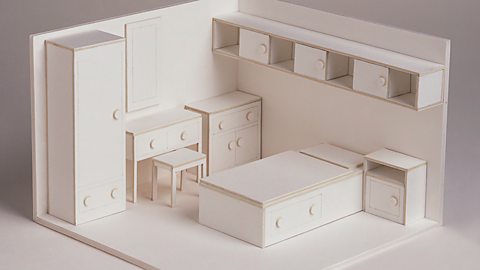
Most boards are very suitable for manufacturing a The first working model of a design used for testing, development and evaluation. due to the very low cost and ease of manipulation of the material. Many The design and structure of buildings. firms use foam-core board to make prototype display models to present to In business, a client is a person or organisation that wants a product manufactured, eg a retailer..
