What you need to know about nocturnal animals
You may already know that ‘nocturnal’ refers to things that come out at night… But do you know its opposite meaning? Or what ‘crepuscular’ or ‘cathemeral’ means? Read on to wow your friends with your newfound biological knowledge…
What does nocturnal mean?
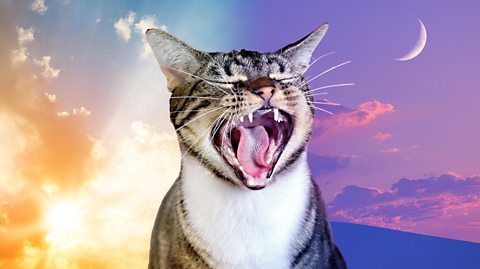
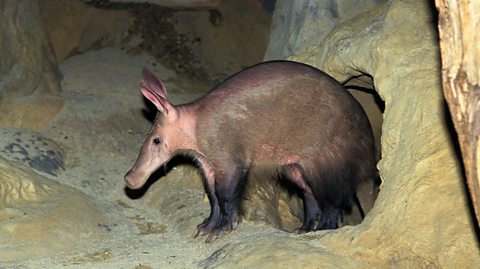
Nocturnal means of or ‘relating to’ the night. Whilst it’s most commonly used to describe nighttime animals and birds, such as bats, mice, hedgehogs and barn owls, plants can be nocturnal too.
Nocturnal animals tend to come out once it’s dark to either avoid the daytime heat, avoid being caught and eaten, or to hunt or mate. They’re often quiet so they can hunt effectively (or to avoid being caught by a predator). Many have eyes and pupils that can widen to take in more light, which helps them see in the dark. They may also have a heightened sense of hearing and/or smell.
Plants that are nocturnal open their flowers at night. They often have a lovely scent to attract pollinators such as moths.
What about night owls?
The phrase ‘night owl’ originally referred to nocturnal owl species, such as the barn owl or great horned owl, but hundreds of years ago it was incorporated into literature to describe certain types of humans. A human ‘night owl’ is a person who stays up late or is active at night. Whilst we can’t be certain where it appeared first, playwright William Shakespeare is credited with using the term in one of his poems in the 16th Century.
What’s the opposite of nocturnal? Diurnal!
“Primates are highly social and rely on visual signals, so a diurnal lifestyle makes most sense for them.” – Royal Zoological Society of Scotland
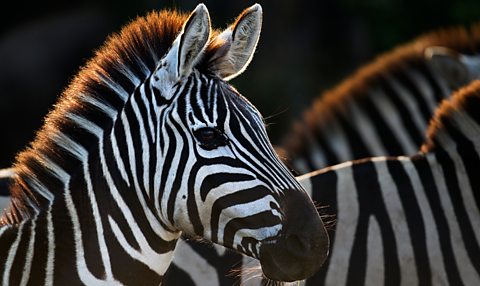
Diurnal is the opposite of nocturnal and means an animal is “active during the daytime and rests at night,” according to the Royal Zoological Society of Scotland (RZSS) keeper team. They add: “Some reptiles and amphibians are cold-blooded and need to warm up before hunting, by basking in the sunlight.”
Other diurnal animals are cows, zebras, camels, most primates, and humans! The RZSS says: “Humans could be described as diurnal as we’re typically awake during the day, performing actions such as eating, socialising and working during daylight hours. Our bodies are adapted to daylight, with a circadian rhythm that favours our sleeping during the night.
“Many primates are highly social and rely on visual signals, so a diurnal lifestyle makes most sense for them.”
What about creatures that go out at dawn or dusk?
Animals, birds and insects which are active at dawn or dusk are called ‘crepuscular’: “Many animals are crepuscular, mostly so they can avoid predators or extreme heat during the day,” according to the RZSS. “For example, many birds will feed on insects when they’re most active at dusk. Deer graze at dawn and dusk to avoid dehydration and to be less visible to predators.”
What else should I know about crepuscular animals?
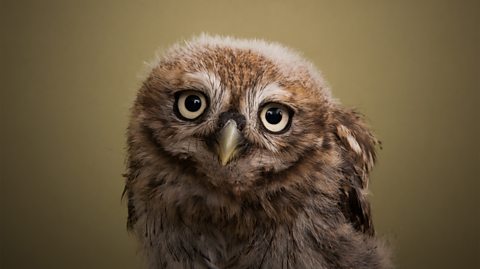
Many bats are crepuscular because the insects they hunt are most active at dusk: “Bats have evolved to use echolocation to better find their prey in low-light conditions.
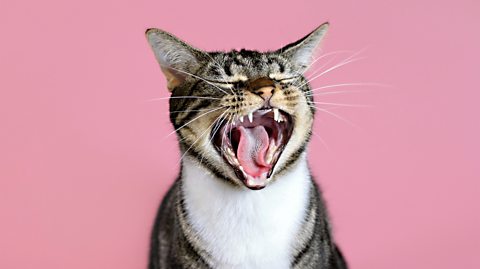
“Domestic cats will often get the 'zoomies' (when they suddenly start running or whizzing around the house) around 5am or 9pm, which is a throwback to their natural crepuscular hunting hours!”
Are there any other types of animal?
“Animals tend to be ‘cathemeral’ when they require flexibility to survive.” – RZSS
Yes. ‘Cathemeral’ animals can be active at any time of night or day, as and when they need to be: “Many lemur species are cathemeral as their activity shifts with temperature and food supply,” continues the RZSS keeper team. “We often see our ring-tailed lemurs sleeping sporadically during the day when the sun comes out from the clouds.
Animals tend to be cathemeral when they require flexibility to survive. For example, bears will sometimes be active at night to avoid humans but also prefer to forage for food during the daytime. As a result they sleep when they can, preferably when it’s cool.”
