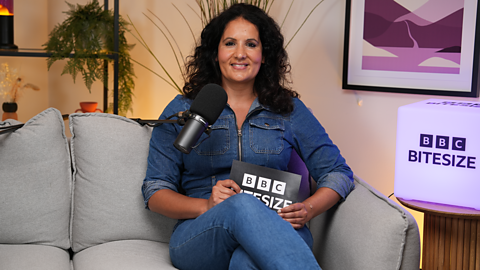
World of Wellbeing is the vodcast series that's all about how to look after you and your mind. In Series 2, wellbeing and education influencer Kit Brown and clinical psychiatrist Dr T, open up about how they've overcome their own struggles and discuss challenges affecting teenagers' mental health.
Watch this episode as Kit and Dr T dive into what wellbeing really means, how to tell if yours is good or bad and help you learn ways to improve your mental health.
Kit Brown:
I like to fuel my body with whole foods and, you know, nutritious foods, because I know that when I go into a game, I'm feeling energised and ready to go.
Dr T:
Yeah.
Kit Brown:
Hi, guys. I'm education and wellbeing TikToker, Kit Brown.
Dr T:
And I'm Dr. T, psychiatrist for under 18s.
Kit Brown:
Welcome to World of Wellbeing from BBC Bitesize, where we talk about how to look after you and your mind.
Dr T:
So what is on your mind Kit?
Kit Brown:
So today Dr. T, I’m thinking, what is wellbeing and how can I tell if mine is good or not?
Dr T:
Wellbeing is really in the name. It's about how well you feel.
So your wellbeing is a little bit like a cup of water.
So when it's full, that's when your wellbeing is good.
Thumbs up right?
So you might have energy, you might feel happier.
You want to do things.
You've got motivation and when the cup is drained or depleted, when there's very little in it, that's when your wellbeing is poorer.
So you might not feel good or happy, or that you want to do things.
And so that cup of water is just a nice way to visualise it.
Kit Brown:
Yeah, I think that's a great analogy and a really useful way of looking at it.
How do we make sure that that cup stays full?
Dr T:
We can make this practical kit.
Three things.
You've got to look after your mind, you've got to look after your body and you've got to look after your relationships.
So your mind is all about how do I grow my intellect and also how do I manage my emotions?
I mean, what about for you? Do you just kind of do some learning? Do you stretch your mind?
Kit Brown:
Well, I love to read, but as an author I probably don't read as much as I'd like to admit.
Probably a bit too much screen time, particularly before bed.
So I've tried to incorporate more reading into my routine to make sure that I have a clear, calm mental state before going to bed.
Dr T:
That's a nice boot down routine, and in addition to reading, we can do other things with our mind.
We can be creative. We can do puzzles, we can learn a new skill.
Kit Brown:
Now, at the start, Dr T, you mentioned about relationships, and I always feel when I'm at my happiest, is when I'm around those that I love, you know, it's around my friends, my family, the children I teach, even my dogs.
What's the science behind this and why are relationships so important?
Dr T:
Well, it turns out, Kit, that our brains really like good, wholesome connection with people.
So that's your family, your friends, but even pets.
And when you're in trusting relationships, your brain releases a marker of trust, a hormone called oxytocin.
And interestingly, oxytocin helps reduce stress as well.
So when you're hanging around with the right people, the right pets, it's good medicine.
But then there's body.
OK, so to look after your body I always say you’ve got to look after your SWANS!
Kit Brown:
Swans?
Really, swans?
Right, you're going to have to break this down for me.
Dr T:
S W A N S.
You can write that acronym down and keep your eye on it, it's going to really help.
So the S in SWANS is: you've got to look after your sleep. It's a non-negotiable.
When you get a good night's sleep you feel better.
You can focus, you can concentrate and it even helps with your memory formation of what you learn that day.
The W in SWANS is: you've got to stay hydrated.
What do you reckon it is?
Kit Brown:
Drinking lots of water.
Dr T:
Yeah. Water intake.
We perform better on mental tasks and feel better when we're better hydrated.
You know how it feels to be dehydrated, right?
You're not yourself.
Kit Brown:
Absolutely.
I think drinking more water, you feel more alert, don’t you?
Dr T:
Exactly.
Kit Brown:
And ready for the day ahead.
Dr T:
Your brain to 73% water, so when you're hydrated, you're able to perform better on schoolwork tasks, think and even feel more yourself.
And so the A is activity.
And it's about sit less, move more where possible.
That doesn't have to be the gym or a run. It can even be a walk.
But getting moving is great for your body.
It's great for your heart and your vessels and also good for your brain.
The N in SWANS is all about fuelling your body right with what you eat.
What do you reckon the N stands for, Kit?
Kit Brown:
Nutrition, surely?
Dr T:
Yeah, yeah.
And where possible we've got to try stay away from the oily, the sugary, the fatty, processed snacks and where possible, eat slightly more whole food options.
So rather than the crisps, maybe it's the almonds, the nuts, the berries.
Kit Brown:
Yeah, I think my teacher drawer used to be filled of chocolates and biscuits and crisps and things like that, but I really noticed a difference when I started replacing that with fruits and seeds and nuts.
Dr T:
Yeah.
Kit Brown:
Particularly if I'm playing football on a Saturday, I like to fuel my body with really kind of whole foods and, you know, nutritious foods.
Dr T:
Yeah.
Kit Brown:
Because I know that when I go into a game, I'm feeling energised and ready to go.
Dr T:
And finally, the S in SWANS is you’ve got to stay relaxed.
You've got to look after your stress levels. You got to keep an eye on that as well.
So there you have it - Your SWANS.
Kit Brown:
Now, we've spoken about some great tips to make sure that that cup stays full.
But what happens if we're still not feeling great? What can we do then?
Dr T:
So hit the pause button and zoom out - take a zoomed out view of your life and have a think, an honest think about are there things that I'm doing that are probably not good for my health?
You know, the things that you know that aren't good?
You know, maybe you're up at four in the morning playing video games or watching boxsets or finishing your evening off with two litres of fizzy juice.
I mean, do you do anything like that, Kit?
Kit Brown:
Absolutely.
I think for me personally, it's really easy to fall into a bad routine of sleep patterns.
I know that some nights I'm going to bed too late because work’s on my mind, football's on my mind, all the stresses of everyday life are on my mind, where actually I know that I need to just step away from that and make sure I get a really good night's sleep.
That's where it all starts.
Dr T:
Sure, sure.
And quick top tip: what you could do is set yourself an alarm to remind you, ‘hey, it's bedtime soon. It's time to get to bed.’
Kit Brown:
Do you know what, I might actually just give that a go, because I feel like life has been stressful lately, and that's the first step I need to make.
So I'm going to set myself an alarm for tonight.
And there you go.
Dr T:
Nice.
Kit Brown:
So, Dr T, it sounds like no one has 100% good or bad well-being?
Dr T:
Yeah, which is why it's important to be kind to yourself, to zoom out and try and pinpoint those areas that you can work on one by one.
Kit Brown:
Thanks so much for being with us.
To listen to more episodes of the BBC Bitesize World of Wellbeing podcast, head to BBC Sounds.
Don't forget to subscribe and definitely share with your mates.
Or search BBC Bitesize Study Support to watch them on our website.
Bye!
Dr T:
See you!
If you are struggling with your wellbeing, talk to a trusted adult like your parent, teacher or guardian.
It can really make a difference.
And if you'd like extra support and advice for any of the issues raised in this vodcast, search for BBC Bitesize Action Line for young people where you will find contacts for organisations who can really help you.
Speaking as part of Series 2 of the World of Wellbeing vodcast, Dr T shares practical tips and tools on how to improve your own mental wellbeing.
What is wellbeing?
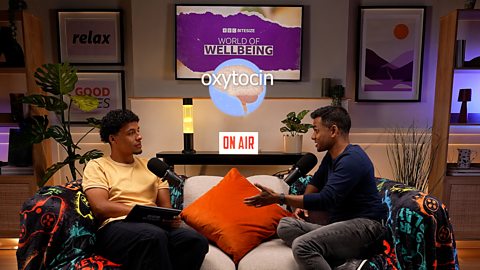
Your wellbeing is about how well you feel. Think of your wellbeing as like a cup of water. When it’s full, that’s when your wellbeing is good: you might have energy, feel happier, and you’ll have lots of motivation and want to do things. But when the cup is drained and almost empty, it’s the opposite. When you have poor wellbeing, you might not feel good or want to carry out day to day activities.
You could also think about your wellbeing as like an avatar character in a game which has different category needs. For example, it will have health, fitness, social and even financial requirements which need to be met. The character might also need to keep collecting points or coins to keep its different needs up so it can tackle any challenges it may face!
Similarly, to look after your wellbeing, you have to keep your eye on lots of different areas at once, to make sure you can tackle life's challenges.
Five ways to wellbeing

It’s helpful to think about four core areas of wellbeing and to take a zoomed out view of your life to help improve your mental health.
It’s important you look after:
Your mind - This means trying to grow your intellect (your capacity to think, reason and understand things) and your ability to manage emotions. Activities like reading, doing puzzles and trying to learn new skills are all great examples of getting creative to keep your mind growing.
Your body - To look after your body, you've got to look after your SWANS.
S for Sleep - Make sure you’re getting to bed nice and early and getting a good night’s rest of ideally 8-10 hours. When you get a good night sleep you can focus, concentrate and remember what you learn in the day better.
W for Water - Drink plenty of water throughout the day. Fun fact: your brain is 73% water so when you're hydrated, you're able to perform better on tasks like school work and think and feel more yourself throughout the day.
A for Activity - Sit less and move more. If you're finding yourself sitting around for long periods of time, try to get moving where possible. Exercise is great for boosting your body’s production of endorphins, which are natural chemicals in the brain that boost your mood and help make you feel happy. This doesn't have to be going to the gym, or a run, just getting out walking and moving is great for your body, brain, blood vessels and your heart.
N for Nutrition - Fuel your body right with what you eat. Try to stay away from oily, sugary and fatty foods where you can and instead, eat more healthy balanced food like: fruit, vegetables, food high in fibre like brown rice or pasta, good sources of proteins like almond nuts, low fat cheese and fish. All of these foods will give your brain and body lots of great nutrients it needs to grow.
S for Stress - Look after and manage your stress levels and try to stay as relaxed as possible throughout the day. Remember to make time to do things you enjoy, like hanging out with friends, chilling or watching a movie.
Your inner self - Throughout the day, try to enjoy being present in the moment and connect with your 'inner self'. How are you really feeling? Are you being yourself and staying true to your beliefs, faith and goals?'
Your relationships - Check in on your relationships with your family, friends, grandparents, partners or your pets. Your brain like good wholesome connections and when you're in trusting relationships, your brain releases a hormone called oxytocin which helps to reduce stress. So it's good medicine when you're hanging around with and have the right people and friends around you.
Zoom out - If you've checked in all four of these wellbeing areas and you're still not feeling quite right, it's important to hit the pause button and zoom out.
Take a zoomed out view of your life and identify some of the biggest issues that are not good for your mental health. Why not try to cut them down for a few weeks and see how you go?
Factors affecting mental health

It's important to pinpoint the areas which could be affecting your mind or body in a negative way. You don't want to lose your sense of peace. Dr T tells us these could be:
Your relationships - Are you hanging out with people who aren't making you feel good? Do you miss spending time or enjoy other people's company more? Why not cut out or limit your time with people who are making you unhappy and hang out more with people who make you feel better. See how you go for a few weeks.
Late nights - Are you staying up all night gaming or watching TV? It's a good idea to set yourself an alarm on your phone to remind you to get that much needed early night!
Your phone - Are you going on your phone too much before bed? I like to charge my phone away from my bed at night and not touch or look at it until the morning. This helps me to feel much better.
Not drinking enough water - If I don't drink two glasses of water at breakfast, I constantly feel I am playing catch up all day. Staying hydrated is a must.
Bright lights at night - Lowering your lighting at night can improve your sleep. I like to dim or lower the lights at night as this helps my melatonin levels (a hormone that helps regulate your sleep cycle) to go up and I can sleep better at night.
Aim for a wellbeing lifestyle
Dr T explains to us: "No one has 100% good or bad wellbeing all the time. I certainly don't!
Wellbeing is a journey. If you ever do have a wellbeing struggle or fall off plan, it's important not to punish yourself for doing so. Be kind to yourself and remember to take a zoomed out view of your life and work on your different wellbeing areas.
It’s all about having a wellbeing lifestyle, not just a day dedicated to looking after your wellbeing."
And if you’re struggling and would like extra support and advice for any of the issues raised in this vodcast, search for BBC Bitesize Action Line for Young People where you’ll find contacts for organisations who can help you.
Watch more Series 2 World of Wellbeing
What is body image and how does it affect mental health?
Wellbeing and education influencer Kit Brown and Dr T discuss body image, social media and the pressure teenagers feel to look a certain way.
World of Wellbeing: How to deal with stress
Dr T and Kit Brown look at some of the signs of stress and discuss what you can do to help reduce it.
World of Wellbeing: What is toxic masculinity?
Wellbeing and education influencer Kit Brown and Dr T break down what toxic masculinity means, how it manifests and discuss toxic vs healthy masculinity.

If you need support
You should always tell someone about the things you’re worried about. You can tell a friend, parent, guardian, teacher, or another trusted adult. If you're struggling with your mental health, going to your GP can be a good place to start to find help. Your GP can let you know what support is available to you, suggest different types of treatment and offer regular check-ups to see how you’re doing.
If you’re in need of in-the-moment support you can contact Childline, where you can speak to a counsellor. Their lines are open 24 hours a day, 7 days a week.
There are more links to helpful organisations on the BBC Bitesize Action Line page for young people.
Catch Up on Series 1 of World of Wellbeing
Self care ideas from Dr Radha. video
Ami Charlize and Radio 1’s Dr Radha chat about the benefits of practising self care.

How to stop worrying? video
Ami Charlize and Radio 1’s Dr Radha chat through what you can do if you're feeling worried or anxious.
How to be more confident
Ami Charlize and Radio 1’s Dr Radha talk affirmations, body confidence and bullying.