World of Wellbeing is the vodcast series that's all about how to look after you and your mind.
In this episode, wellbeing and education influencer Kit Brown and clinical psychiatrist Dr T chat about the struggles they've felt fitting in with friendship groups, learn why our brains want to connect with others and understand how to find your true self.
Picture Credit (3:35): Alex Amorós
Dr T:
So Kit… Confession.
I know you love football.
Sadly, I know almost nothing about football.
Kit Brown:
Hi guys.
I'm education and wellbeing TikToker, Kit Brown.
Dr T:
And I'm Dr T, psychiatrist for under 18s.
Kit Brown:
Welcome to World of Wellbeing from BBC Bitesize, where we talk about how to look after you and your mind.
So Dr T, what's on your mind today?
Dr T:
Do you know what, Kit?
I've been thinking about fitting in.
So I'm going to ask you, have you ever struggled to fit in?
Kit Brown:
Oh absolutely.
I think back to secondary school, you know, it's a really tough time to navigate, find your friendships, find those circles where you truly feel like you fit in.
And I think I found myself in friendship groups where we probably didn't share common interests and I was probably moulding myself to fit the interests of others when I wasn't actually being true to myself.
Dr T:
It's very common to feel that way especially when you're starting a new school or new environment.
It's very important to us as human beings to belong.
In fact I don't know if you knew this Kit, but we have circuits in our brain that look for social connections, and we feel good when we're connected and included. But when we're excluded, when we feel like we're left out, it actually triggers bits of the brain that are responsible for not just emotional pain, but physical pain as well.
You know, it really doesn't feel good.
Kit Brown:
So why is fitting in sometimes so hard?
Dr T:
Well, one of the explanations is that change is the only constant.
When you're going through your teenage years, your brain is developing at a very rapid rate.
The different parts of your brain. The front part which is the boss or the conductor of your brain that's growing and evolving, your interests, some of your circuits in your brain that help you decide on what you think is right and wrong.
That's all evolving, our personality’s evolving.
And so as you are changing, as the people around you are changing, there's always a new "norm" to have to align to.
That's exhausting right?
It's changing year after year.
And then on top of that, there are other trends as well.
Fashion trends, what's trending on social media.
Like the landscape is totally changing around us as well.
It's change, change, change.
Kit Brown:
So following on from that, should we be worried about changing in response to all of these things around us?
Dr T:
Sometimes it's good to be influenced by your friends and change a bit.
Sometimes your friends can help you improve your confidence or learn a new skill.
So change in that way, because of the people around you, can be good.
Kit Brown:
How do we know the difference then and when should we be worried about this change?
Dr T:
Yeah, it's a good question.
Sometimes change comes from within, “It's something I want to do.” versus, “Oh my goodness, if I don't do it, then they won't like me or they will laugh at me.”
So hit the pause button and think, “Where's my motivation coming from?
Is it from within or is it from those around me?”
But then also ask yourself the question, “Is this a healthy thing to do?
Is this good for my mental health?
Is this good for my physical health?
Is this good for my relational health?”
Those are just some tester questions that you can ask to get closer to that answer.
Kit Brown:
So I guess it's all about understanding the pressure, but being true to yourself and also attracting people who like you for you.
Dr T:
Exactly.
Kit Brown:
So what are your tips about finding your people but also finding what's important to you?
Dr T:
So we're talking about expanding your search.
You might need to look outside of the immediate class that you are in, in school, and a great way to do that is activities.
You know, I joined a jujitsu class and I started connecting with other people that have a similar interest in martial arts.
And you could do that with other sports, with arts and the creatives.
The list goes on.
Kit Brown:
Yeah, that's the same with me with football.
You know, in the changing room I found loads of friends with similar interests.
All it started with was a “Hello” and a little conversation, and we soon realised we had so much to connect about.
Dr T:
And I guess it's also important to remember that first impressions aren't all the impressions that person can create with you.
So you know, you can dig a little bit deeper.
It might be you think, “Oh I've got nothing in common with that person.”
But after a little bit of chat, hanging out, doing that shared activity, you realise, “You know what? We connect!”
Kit Brown:
Yeah, absolutely and I think that translates to my life now.
You know, when I go to some of these social media influencer events, I walk in that room and I'm a little bit scared because I'm thinking, “Oh my gosh, I'm not going to get on with anyone. I'm not going to share any common interests or be able to talk to anyone.”
But I soon realise that you know, with a simple conversation there's actually always a common interest that we can find and something that we connect about.
Dr T:
So Kit, confession… I know you love football.
Sadly, I know almost nothing about football but I think what's really nice is that we're still connected, we're having fun, we're sharing ideas, even though that like major interest, we don't have an overlap on it and it's good to connect, right?
Kit Brown:
Yeah, absolutely.
I think whilst we probably won't have an in-depth conversation about football, it's important to recognise that we can share so many other common interests.
We both care about making a difference.
Dr T:
Check.
Kit Brown:
We both care about our physical and mental wellbeing.
Dr T:
Right.
Kit Brown:
And we both care about the future of children.
Dr T:
Future of young people.
Kit Brown:
Absolutely.
Dr T:
Put it there.
So Kit, before you go I have an exercise for you.
It's going to give you more clarity on what motivates you and the things you want to get up to and pursue, and that might help you understand more about yourself and who you could connect with more.
So you’re going to write down three things on a bit of paper.
The first two things are what you are already into, what you're passionate about, what you love doing.
The third thing is something that you'd like to get into, something you'd like to try that you haven't got round to.
OK, I would love to learn a back somersault,
I need to write that down as number three for me.
So where are you at?
Kit Brown:
So the first one that I've gone with that really interests me is travelling.
You know, I love travelling the world.
I love learning about different cultures and meeting new people.
The second I've gone for is music.
I love listening to music, whether it's driving to work and blaring my car stereo, or whether it's singing in the shower. Music fuels my day.
Dr T:
Nice.
Kit Brown:
Something that I want to try is learning to play the piano, so I may give that a go.
Thanks, Dr T.
And thank you to all of you for being with us today.
To listen to more episodes of the BBC Bitesize World of Wellbeing podcast, head to BBC Sounds.
Don't forget to subscribe and share them with your mates.
Or search BBC Bitesize Study Support to watch them on our website.
Bye!
Dr T:
Bye!
If you feel like you're struggling to fit in, talk to a trusted adult like a parent, teacher or guardian.
It can really make a difference.
And if you'd like extra support and advice for any of the issues raised in this vodcast, search for BBC Bitesize Action Line for young people, where you'll find contacts for organisations who can really help you.
And check out the BBC Bitesize Study Support ‘What to expect from a new school’ article as well.
It's full of tips on how to adjust to new people and new places.
Speaking as part of Series 2 of the World of Wellbeing vodcast, Dr T explains why your brain is wired to want to belong and how to figure out your values, what's important to you and find your people.
Fitting in
Have you ever felt like you've struggled to fit in?
Whether that's finding friendships at school, or adjusting to a new environment like at a club, it's very common to feel like you want to belong, but it can be tough sometimes, this is connected to brain science.
Why do we want to fit in so much?

We have circuits in our brain that look for social connections and we tend to value what others say. So when we feel included and validated, this triggers chemicals in our brain that go: 'Oh I liked that… I think I'll do that more.'
As human beings, we are built to survive better in packs and the circuits in our brain don't like exclusion. If we feel like we are left out, it actually triggers part of our brain that is responsible for physical and emotional pain, which is why it doesn't feel good.
Why is fitting in so hard at school?
In your teenage years, your brain is constantly changing and developing at very rapid rates.
The front part of your brain (the prefrontal cortex), which acts as the boss or the conductor part of your brain, is growing and evolving.
Your interests and circuits in your brain that help you decide on what you think is right or wrong, that's also developing. For example, you might experience a scenario at school where you're not sure if you should try to fit in, or walk away from something.
Your own personality and the people around you are constantly changing year on year too, which can be tiring.
And let's not forget when you're a teenager, there are new trends, social media, the latest must-have items, like new clothing and technology, and environments around you are changing as well (like when you start new schools, classes and clubs). So fitting in can be really difficult at times.
Embracing change - is change good or bad?
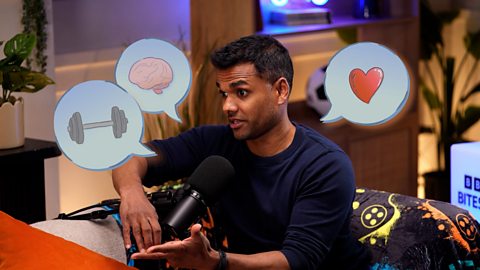
Right now you might still be learning what's important to you, who you are and your sense of self-worth. So it's fine to think about changing your clothes, or getting into different music - that's all part of life.
And it's good to change a little bit and be influenced by people like your friends and family. They can help you learn new skills, improve your confidence and encourage you to try new activities, like a new sport for the first time.
Change itself can come from different places. It can come from yourself, or it can come from feeling pressured to change for someone else. You might want to change to fit in or be liked by someone or a group of people. When you're in this situation, it's important to hit the pause button and think: 'Where's my motivation [for wanting to change] coming from? Is it from myself? Or is it from those around me?'
If you're struggling to answer these questions, then ask yourself the following tester questions: 'Is this a healthy thing to do? Is this good for my mental health? Is this good for my physical health? Is this good for my relationships?' These might help!
Finding your people
Here are some top tips on finding your people who like you for 'you', and figuring out what's important to you, according to Dr T.
Expand your search – You might need to look for friends outside of your class in school and a great way to do this is by joining clubs and getting involved in activities. Dr T says: "I joined a jujitsu class and started connecting with people that have a similar interest in martial arts. You can do that with lots of other clubs like sports, arts, creative clubs, and other extra activities you might be interested in."
First impressions aren't everything – Dr T explains that your first conversations and impressions you have with people aren't always that important, and certainly not "the only impression someone can create about you". Why not chat to them a little bit to find out more about them and carry out a shared activity with them, like a game. After this, you might realise you connect with them better.
Try to find common interests – Look out for more than one interest that might connect you with someone else. Dr T says: "I may know almost nothing about football, but what's really nice is, I could still connect with Kit in this vodcast in other ways. We were able to have fun and share ideas, even though we didn't share that major interest in footie."
Finding yourself exercise
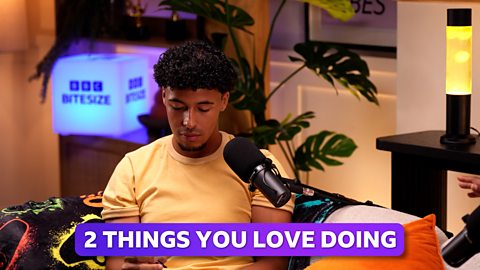
When trying to discover yourself and what your values are, it's a good idea to get more clarity on what motivates you, what your passions are and the things you enjoy or want to do more in your life. This will help you not only understand more about yourself, but who to connect with more.
So with a pen paper write down three things:
- Two things you love doing and are passionate about
- One thing you'd like to try for the first time
What would you like to to give a go and try for the first time? This could be anything, from trying out a new hobby like basketball, gymnastics, or learning to play a new instrument for the first time. Dr T says: "I would love to learn a back somersault so I need to write that down."
Watch more Series 2 World of Wellbeing
World of Wellbeing: What is wellbeing and how to tell if yours is good or bad?
Wellbeing and education influencer Kit Brown asks Dr T what is wellbeing? They reflect on their own wellbeing struggles and learn practical tools to improve their wellbeing.
What is body image and how does it affect mental health?
Wellbeing and education influencer Kit Brown and Dr T discuss body image, social media and the pressure teenagers feel to look a certain way.
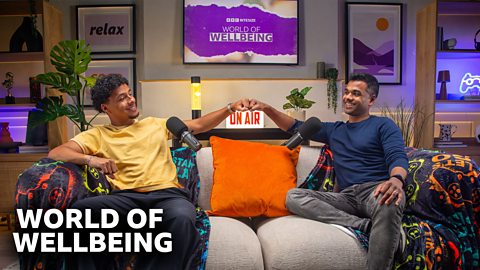
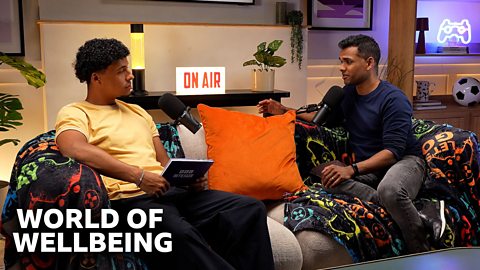
World of Wellbeing: What is toxic masculinity?
Wellbeing and education influencer Kit Brown and Dr T break down what toxic masculinity means, how it manifests and discuss toxic vs healthy masculinity.

If you need support
You should always tell someone about the things you’re worried about. You can tell a friend, parent, guardian, teacher, or another trusted adult. If you're struggling with your mental health, going to your GP can be a good place to start to find help. Your GP can let you know what support is available to you, suggest different types of treatment and offer regular check-ups to see how you’re doing.
If you’re in need of in-the-moment support you can contact Childline, where you can speak to a counsellor. Their lines are open 24 hours a day, 7 days a week.
There are more links to helpful organisations on the BBC Bitesize Action Line page for young people.
Catch Up on Series 1 of World of Wellbeing
How to be more confident
Ami Charlize and Radio 1’s Dr Radha talk affirmations, body confidence and bullying.
How to stop worrying? video
Ami Charlize and Radio 1’s Dr Radha chat through what you can do if you're feeling worried or anxious.
What is friendship? video
Ami Charlize and Radio 1’s Dr Radha talk friendship fall-outs and growing apart.