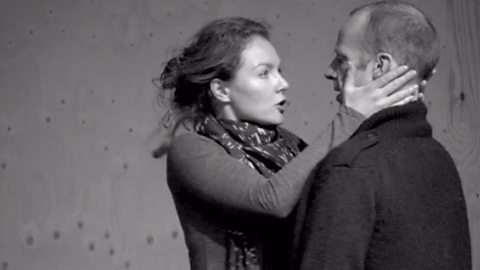
Macbeth:If it were done, when 'tis done then 'twere well it were done quickly.
Macbeth:Assassination could tramel up the consequence and catch with his surcease success. That but this blow might be the be-all and end all here but here upon this bank and shoal of time. We'd jump the life to come.
Macbeth:But in these cases we still have judgement here that we but teach bloody instructions, which, being taught, return to plague the inventor.
Macbeth:This even-handed justice commends the ingredients of our poison'd chalice to our own lips.
Macbeth:He's here in double trust. First as I am his kinsman and his subject strong both against the deed. Then as I am his host who should against his murderer shut the door, not bear the knife myself.
Macbeth:Besides this Duncan hath borne his faculties so meek, hath been so clear in his great office, that his virtues will plead like angels, trumped-tongued, against the deep damnation of his taking-off and pity,
Macbeth:like a naked new-born babe, striding the blast, or heaven's cherubim, horsed upon the sightless couriers of the air, shall blow this horrid deed in every eye the tears shall drown the wind.
Macbeth:I have no spur to prick the sides of my intent but only vaulting ambition, which o'erleaps itself and falls on the other.
Macbeth:How now, what news?
Lady Macbeth:He has almost supp'd. Why have you left the chamber?
Macbeth:Hath he ask'd for me?
Lady Macbeth:Know you not he has?
Macbeth:We will proceed no further in this business he hath honoured me of late and I have bought golden opinions from all sorts of people which would be worn now in their newest gloss not cast aside so soon.
Lady Macbeth:Was the hope drunk wherein you dress'd yourself? Hath it slept since? And wakes it now to look so green and pale at what it did so freely? From this time such I account thy love. Art thou afeard to be the same in thine own act and valour as thou art in desire?
Lady Macbeth:Wouldst thou have that which thou esteem'st the ornament of life and live a coward in thine own esteem, Letting "I dare not" wait upon "I would" like the poor cat i' the adage?
Macbeth:Prithee, peace - I dare do all that may become a man who dares do more is none.
Lady Macbeth:What beast was't then that made you break this enterprise to me? When you durst to it, then you were a man and to be more than what you were, you would be so much more the man. Nor time nor place did then adhere and yet you would make both. They have made themselves, and that their fitness now does unmake you.
Lady Macbeth:I have given suck, and know how tender 'tis to love the babe that milks me. I would, while it was smiling in my face, have pluck'd my nipple from his boneless gums and dash'd the brains out, had I so sworn as you have done to this.
Macbeth:If we should fail?
Lady Macbeth:We fail.
Lady Macbeth:But screw your courage to the sticking-place and we'll not fail.
Lady Macbeth:When Duncan is asleep whereto the rather shall his day's hard journey soundly invite him His two chamberlains will I with wine and wassail so convince that memory, the warder of the brain, shall be a fume and the receipt of reason a limbeck only when in swinish sleep their drenched natures lie as in a death, what cannot you and I perform upon the unguarded Duncan?
Lady Macbeth:What not put upon his spongy officers, who shall bear the guilt of our great quell?
Macbeth:Bring forth men-children only for thy undaunted mettle should compose nothing but males.
Macbeth:Will it not be received, when we have mark'd with blood those sleepy two of his own chamber and used their very daggers, that they have done't?
Lady Macbeth:Who dares receive it other, as we shall make our griefs and clamour roar upon his death?
Macbeth:I am settled, and bend up each corporal agent to this terrible feat. Away, and mock the time with fairest show false face must hide what the false heart doth know.
Macbeth debates the murder of King Duncan and decides against it.
Lady Macbeth uses a battery of strategies to change his mind.
This short film is from the BBC series, Shakespeare Unlocked.
Teacher Notes
This short film is essential viewing for students studying 'Macbeth', especially when considering the implications of this key scene.
Before watching the scene, ask your students to look out for personal moments of crisis for Macbeth and Lady Macbeth.
Ask them to consider what the turning point of the scene is.
Ask them to share their observations after watching the scene. What do they feel the turning point is?
This short film is suitable for teaching GCSE English literature and drama in England, Wales and Northern Ireland and National 4/ 5 in Scotland.
Act 1, Scene 7 - Whether to kill the king (workshop) video
Analysis of Macbeth’s soliloquy and key images in the speech.
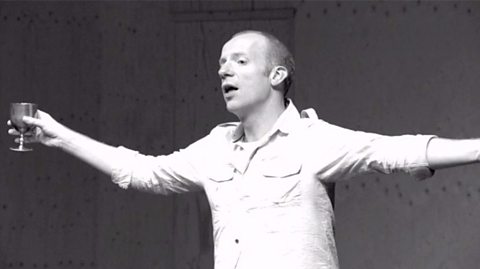
Act 2, Scene 2 - Bloody Daggers. video
Macbeth has committed the murder and is overcome with guilt and fear.
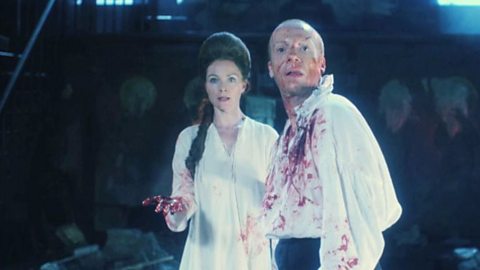
Act 2, Scene 2 - Hearing noises (workshop) video
The cast explore how Lady Macbeth takes control as Macbeth struggles with his guilty conscience.
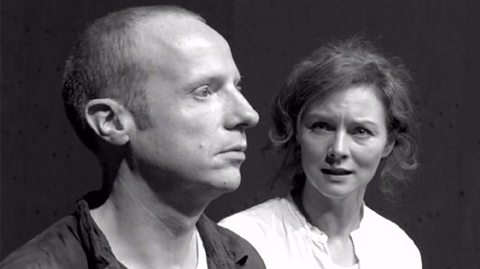
Act 2, Scene 2 - Rhythm of the language (workshop) video
The cast discuss iambic pentameter and explore the rhythm of Shakespeare’s language.
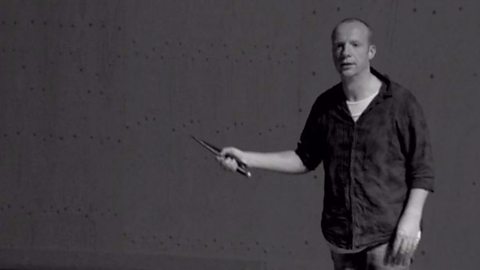
Act 2, Scene 2 - The king is dead (workshop) video
The actors and director explore the Macbeths' very different responses to Duncan’s murder.
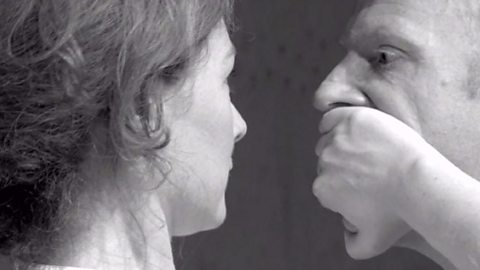
Act 5, Scene 1 - Candle in the dark (workshop) video
The director and actors experiment with the staging of the sleepwalking scene.
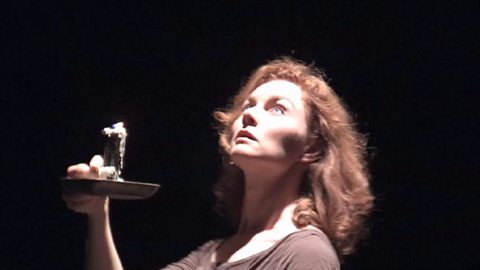
Act 5, Scene 1 - Sleepwalking. video
The doctor and lady-in-waiting witness Lady Macbeth sleepwalking.
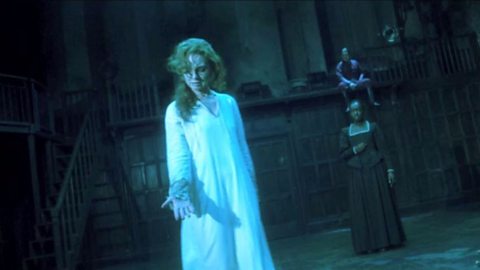
Act 5, Scene 1 - Sleepwalking Queen (workshop) video
The director investigates how knowledge of Lady Macbeth’s secret changes the lives of others.
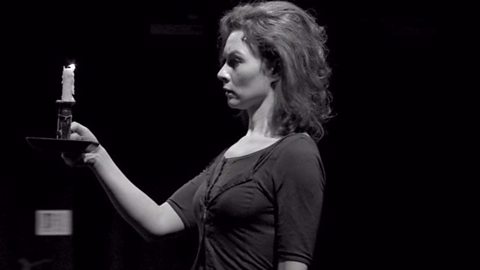
Act 5, Scene 1 - Unlocking the words (workshop) video
RSC Head of Voice, Lyn Darnley, helps Aislín McGuckin through a series of voice exercises.
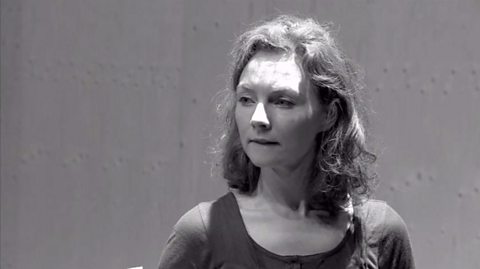
About the 2011 RSC production. video
A look at the production and how the design is informed by the period in which Macbeth was written.
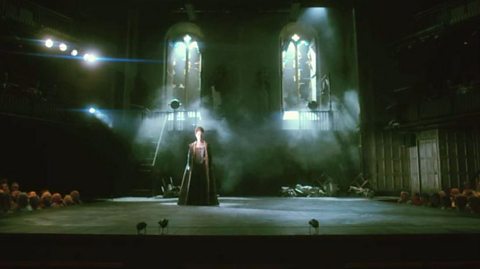
Act 1, Scene 7 - Persuading Macbeth (workshop) video
A look at the different ways of performing the scene when Lady Macbeth persuades her husband to kill the king.