Wetin to know as Tanzania ban South Africa and Malawi imports inside quarrel wey enter anoda level
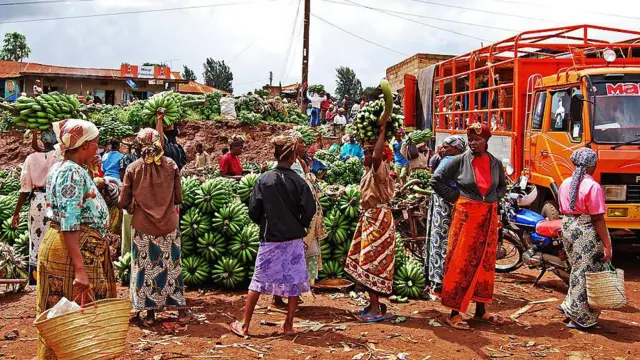
Wia dis foto come from, Getty Images
- Author, Sammi Awami
- Role, BBC News, Kasumulu border crossing
- Published
- Read am in 4 mins
Di border crossing between Tanzania and Malawi wey dey normally dey full off life dey quiet dan usual on Thursday as a result of one regional trade row wey don enter anoda level.
From midnight, Tanzania ban di entry of all agricultural imports from Malawi and South Africa in response to wetin e see as restrictions on some of im exports.
South Africa don for years ban di entry of bananas from Tanzania. Malawi last month block imports of flour, rice, ginger, bananas and maize from im northern neighbour.
"We dey take dis step to protect our business interests... in business, we must all respect each oda," Tanzania Agriculture Minister Hussein Bashe tok on Wednesday, confirming di ban.
Diplomatic efforts to resolve di trade issues so far don fail but Bashe say fresh talks dey on.
Dis quarrel dey come at a time wen Africa suppose to dey move towards greater free trade through di establishment of a continent-wide free-trade area, wey begin operation four years ago.
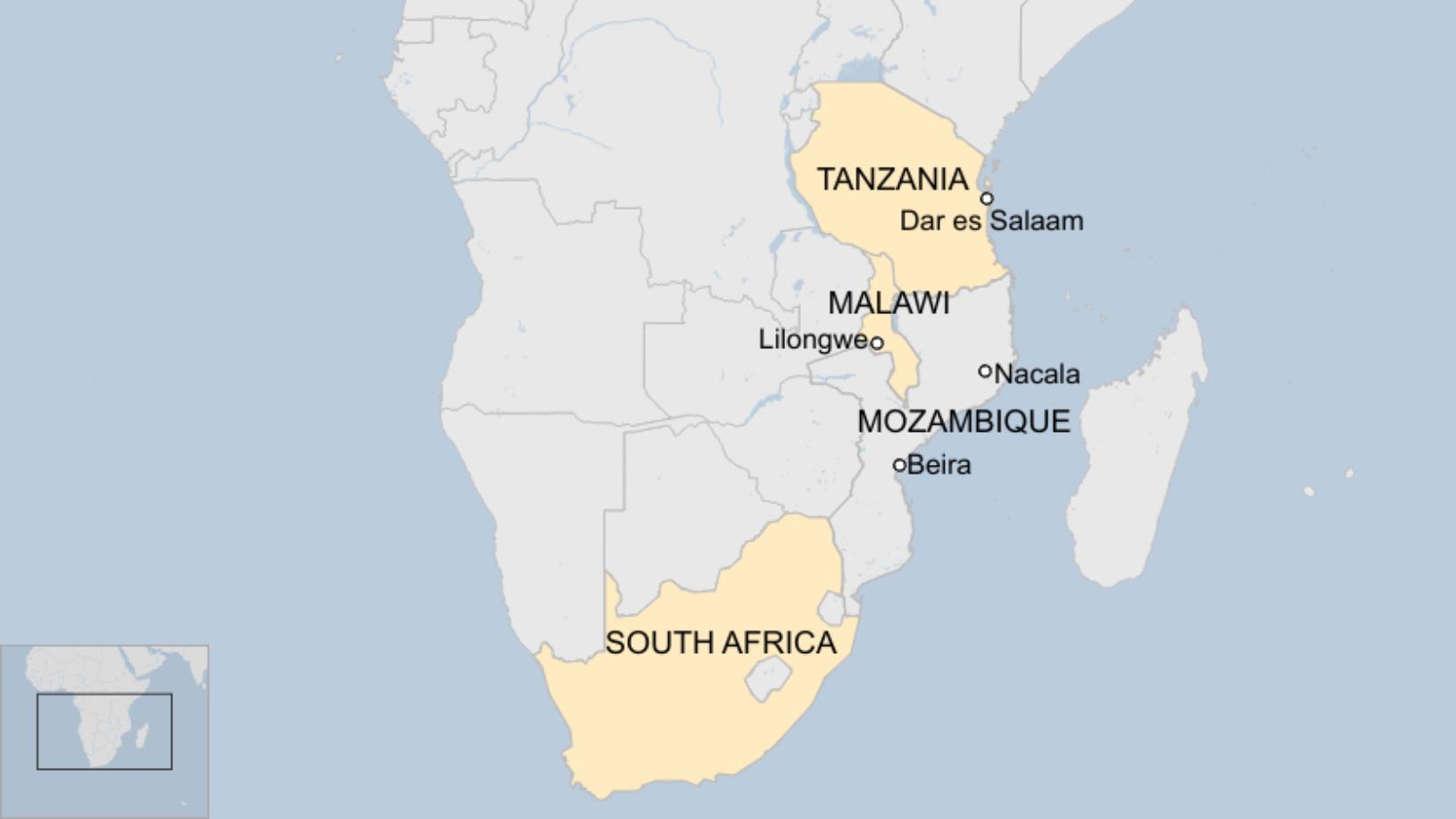
South African exports of various fruits, including apples and grapes, to Tanzania go dey hit. Meanwhile, landlocked Malawi, wey bin dey rely on Tanzanian ports to carry im exports such as tobacco, sugar and soybeans to di rest of di world, go need to reroute im goods.
Malawi ban on di import of certain produce, wey dem announce for March, bin dey designed as a temporary measure covering goods from all countries to protect local producers, according to di authorities for Lilongwe.
"Na strategic move to create environment where local businesses fit grow without di immediate pressure of foreign competition," Malawi Trade Minister Vitumbiko Mumba tok at di time.
Tanzania agriculture minister say Malawi move "directly affect" im country traders and describe di restrictions as "unfair and harmful".
While confirming di import ban, Bashe assure Tanzanians say e no go threaten dia food security.
"No Tanzanian go die from a lack of South African grapes or apples," e tok, adding say, "we dey take dis actions to protect Tanzanian interests".
Neither South Africa nor Malawi don comment on Tanzania move.

Wia dis foto come from, BBC / Sammy Awami
For di Kasumulu crossing, wia most Tanzania-Malawi trade dey pass, only some lorries wey dey transport cargo like fuel bin dey seen on Tandi zanian side.
On a normal day, more dan 15 lorries loaded with agricultural produce go cross di frontier, drivers tell BBC.
On di Malawian side, many lorries wey suppose dey transport bananas and tomatoes through Tanzania dey parked and empty.
"[Di drivers] now dey try to find alternative products to transport. E dey very difficult for dem because dem dey used to carrying agricultural goods, and now dem no fit carry not just bananas and tomatoes, but even maize and potatoes," Happy Zulu, one business person, tell BBC.
Trade flows between Tanzania, Malawi and South Africa - all members of di Southern African Development Community (Sadc), one regional political, security and economic body - don already dey dey affected last week.
On Saturday Bashe post one social media video wey show rotten bananas inside one truck stranded for di border with Malawi, saying e dey hard for Tanzania to tolerate di trend.
Plenti tonnes of tomatoes also spoil for di border recently after lorries from Tanzania bin dey denied entry into Malawi.
Malawi don become important market for Tanzanian goods in recent years, with exports wey dey reach between 2018 and 2023, according to official Tanzanian figures.
But while Tanzania fit look for alternative markets such as in Kenya, Namibia and South Sudan, landlocked Malawi fit find am harder to get im goods out of di country.
Much of im exports dey go through di Tanzanian port of Dar es Salaam, as well as essential imports such as fuel and machinery.
Losing access to Dar es Salaam go likely force Malawi to move shipments through di Mozambican ports of Beira and Nacala - options wey fit dey more expensive.
Bashe argue say di ban no dey meant to provoke a trade war but to protect Tanzania interests.
"Tanzania no go continue to allow unequal market access to continue at di expense of im pipo," e tok.
Additional reporting by Wycliffe Muia, Alfred Lasteck and Wedaeli Chibelushi