Wetin US exit from WHO mean for di world?

Wia dis foto come from, Reuters
For di many executive orders wey e sign within hours of assuming di US presidency, Donald Trump don give signal say e wan pull di United States out of di World Health Organization (WHO). Dis na move wey many experts say fit affect di world response to a future pandemic, na so BBC global population correspondent Stephanie Hegarty report.
Dis na di second time President Trump don announce a withdrawal from di WHO. For 2020, Trump bin notify di organisation, at di height of di Covid pandemic, say im go pull di US out of di organisation, but dat decision bin dey reversed by President Joe Biden wen e come into office di following year.
Trump criticise di way WHO handle Covid and dia "failure to adopt urgently needed reforms". And e also dey openly critical of China influence for di organisation.
US na WHO largest contributor and e dey pay about a fifth of dia annual budget of $6.8bn.
Many low-income countries dey rely on di agency to support dia fragile health systems and sponsor vaccination campaigns wey dey effective at eradicating diseases, our correspondent tok; any cut to di agency budget go fit affect dis programmes.
We look at how countries around di world don react to di announcement.
Wia dis foto come from, EPA-EFE/REX/Shutterstock
Poor African countries rely on WHO
Dorcas Wangira, BBC Africa health correspondent
Health experts for Africa warn say Trump decision to withdraw from di WHO fit reverse significant gains dem don make to fight diseases such as malaria, tuberculosis and HIV across di continent. Many poorer African countries still dey rely almost entirely on di WHO for technical assistance and vaccines.
As di WHO largest financial contributor, di US pulling out go mean reduced funding for critical programmes across Africa, including health preparedness, emergency response and childhood vaccinations.
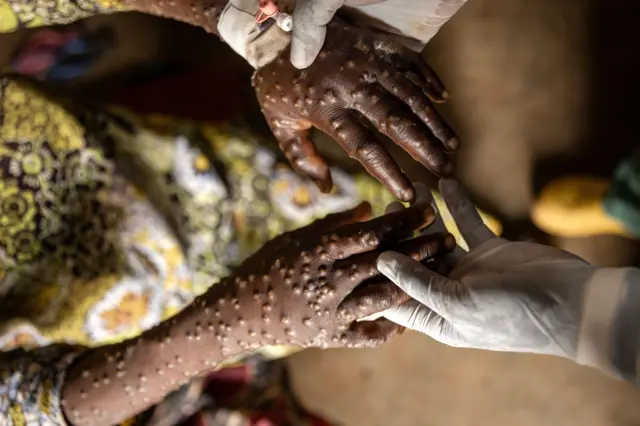
E also dey play a crucial role in responding to health emergencies. Di Africa Centres for Disease Control and Prevention (Africa CDC) bin record 214 health emergencies on di continent last year - up from 166 in 2023. Among dem na mpox, with central Africa bearing di highest burden.
Last year, di US partner with Rwanda and di WHO to address a separate MVD outbreak for di country.
Cholera, dengue and measles bin also come up again across Africa in di past year. For December, WHO note say cholera outbreaks don become increasingly complex and difficult to control.

Wia dis foto come from, Getty Images
Loss of influence or new opportunities?
Sylvia Chang, BBC News Chinese
Di announced US withdrawal from WHO fit create a leadership vacuum, wey go enable China to expand dia influence in global health governance. Strengthening Beijing role in international institutions, including di WHO, na a top priority for Chinese leader Xi Jinping. China don already increase dia financial contributions to di WHO and position itself as a key voice in global health, particularly during di Covid-19 pandemic.
Wen di first cases of Covid-19 come out for Wuhan for December 2019, di Chinese authorities initially silence whistleblowers and downplay di seriousness of di outbreak. Even by mid-January 2020, as di virus spread internationally, Chinese officials say e no get clear evidence of human-to-human transmission. On Tuesday, Chinese foreign ministry tok tok pesin Guo Jiakun say WHO role suppose to dey strengthened, not weakened, and confam China continued support for di organisation to ginger international public health co-operation.
Wia dis foto come from, Getty Images
Impact of reduced funding
Ishara Danasekara, BBC News Sinhala
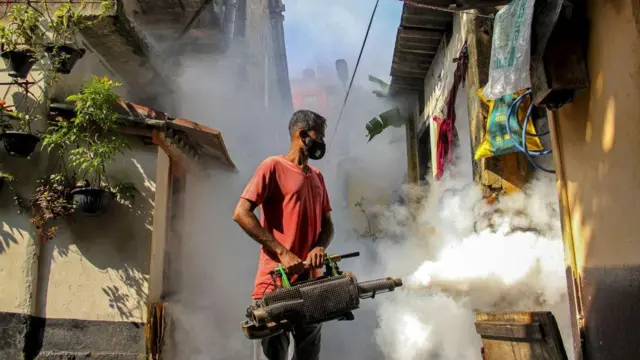
For Sri Lanka, WHO dey play ogbonge role for di country healthcare system, providing key technical expertise, funding and strategic support on key public health challenges. E dey instrumental in improving health outcomes - particularly maternal and child health mata, vaccination campaigns, and controlling infectious diseases like dengue and tuberculosis.
So if di WHO funding dey reduced, Sri Lanka go face significant setbacks. Vaccination campaigns fit dey delayed, leading to di coming back of vaccine-preventable diseases. Efforts to fight non-communicable diseases, such as diabetes and heart disease, fit also get K-leg, affecting di healthcare system. WHO assistance bin also prove to dey especially important for Sri Lanka during national crises, such as di 2004 tsunami and di Covid-19 pandemic.

Wia dis foto come from, Getty Images
Imran Qureshi, BBC News Hindi
"We go get to wait and see weda di EU and China go step in in a big way," na so Prof K. Srinath Reddy, di former head of di Public Health Foundation of India tok. US withdrawal fit present a "great opportunity for China'' and di EU to strengthen dia role on di global stage, e tell di BBC.
Prof Reddy dey expect greater impact on international health programmes such as pathogen surveillance, tuberculosis and anti-microbial resistance rather than on India-specific programmes. However, e also dey confident say extra bilateral support go come from di CDC, National Institutes of Health and oda US-based foundations.
"Inside interdependent and interconnected world, [di US leaving di WHO] go get negative consequences not only for oda countries, but also for di US," e tok, highlighting say in a post-Covid-19 era, multilateral co-operation go continue to dey important in tackling major global health challenges, from pandemic threats to climate change.
WHO losing dia primary national financial contributor mean say oda countries go "need to step up dia contributions and increase di level of scientific collaboration among demsefs", e add. "Both international co-operation and self-reliance go now take on a new purpose and fresh forms of functioning.''
Tarhub Asghar, BBC News Urdu
For countries like Pakistan and Afghanistan, wia di fight against polio still remain a significant challenge, Trump decision dey cause uncertainty on future eradication efforts. Dem be di last two countries in di world wey still dey face endemic polio.
Despite years of efforts, Pakistan dey face significant setbacks, and polio cases continue to rise. For 2023, more dan half of children wey contract polio for Pakistan no receive any of dia routine immunisations, according to di ministry of health.
Pakistan current strategy to fight dis crippling disease dey rely heavily on international donor funding rather dan domestic investment. WHO and oda international agencies don provide significant financial and technical resources to sustain vaccination drives and health campaigns. For 2023, WHO make one of dia largest contributions ever to Pakistan polio programme.
However, former health minister Dr Zafar Mirza don downplay di immediate impact of any US withdrawal, arguing say WHO dey supported by a large number of nations and US funding no be di only lifeline for eradication. But, "e tok about di urgency of reducing dependence on external support and building a strong, self-reliant healthcare system of Pakistan", e add.
Health experts don warn say while a US withdrawal fit no immediately stop funding, e fit significantly affect di global health ecosystem – slowing evritin from vaccine production to rolling out programmes. And for Pakistan, dis one mean increased uncertainty in battling polio.
Wia dis foto come from, Getty Images
Key player for di region
Hanan Razek, BBC News Arabic
Trump order dey come at a time wen di Arab world dey face increased conflict, fear say diseases dey spread and serious need for humanitarian aid. Almost half of di 2.1 million pipo wey dey live on di Gaza Strip na children, and di detection of polio in July 2024 spark concern over outbreak.
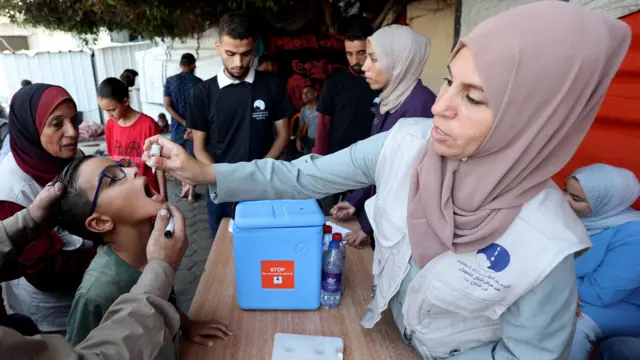
Health experts say di recent spread of di disease na sake of di conflict wey get a devastating impact on Gaza health system and infrastructure since 2023. In spite of di blockade wey prevent food and medical supplies getting in, WHO help ensure say more dan half a million children under 10 bin dey vaccinated for polio, mostly for central and southern Gaza.
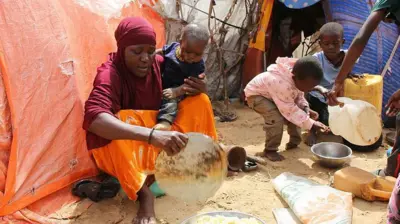
Cholera na anoda growing health concern, as e dey become more widespread for di Middle East. For al-Hol refugee camp - wey be home to more dan 40,000 displaced pipo, for north-eastern Syria - a lack of clean water see incidents of cholera increase to more dan 200 cases last month. WHO provide support with a 10-day vaccination campaign to stop di spread of di disease.
BBC News Persian
Di direct impact of a US withdrawal from di WHO for Iran health sector no clear, but e fit bring changes in funding, global health diplomacy, and regional health initiatives.
Iran dey maintain formal diplomatic relations with WHO, and di organisation dey operate office for di capital, Tehran. E dey collaborate with Iran Ministry of Health and Medical Education to address public health challenges and ginger healthcare services within di country. Dis partnership dey focused on disease prevention, health system strengthening and emergency preparedness.
WHO also most times dey facilitate regional health programmes wey require collaboration between neighbouring countries. Di absence of US support fit impact di scope and effectiveness of dis initiatives, indirectly affecting Iran participation and di benefits e dey get from dem.
Oda nations, such as China, fit end up playing a more leading role in global health wey fit change di geopolitical landscape wey Iran dey operate. Dis fit open new avenues for collaboration for Iran, or challenges, depending on di alliances and interests wey come up within di WHO.