30 years since Saro-Wiwa execution, Ogoniland still dey struggle wit pollution

- Author, Helen Oyibo
- Role, BBC News Pidgin
- Reporting from, Port Harcourt
- Author, Karina Igonikon
- Role, BBC News Pidgin
- Reporting from, Port Harcourt
- Published
- Read am in 7 mins
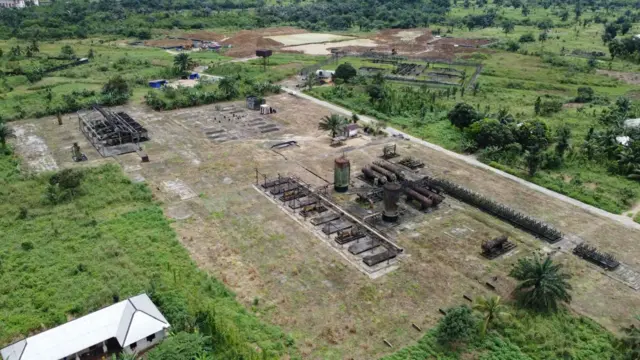
For K-Dere community inside Ogoniland, for di Niger Delta region of southern Nigeria, a Shell-owned crude oil processing station dey silent, dey rust inside thick air.
Di plant no dey in use for over 30 years.
Metres away, tractors wey belong to di agency wey get di task of cleaning up oil spills – di Hydrocarbon Pollution Remediation Project (Hyprep) - dey work to remove pollution.
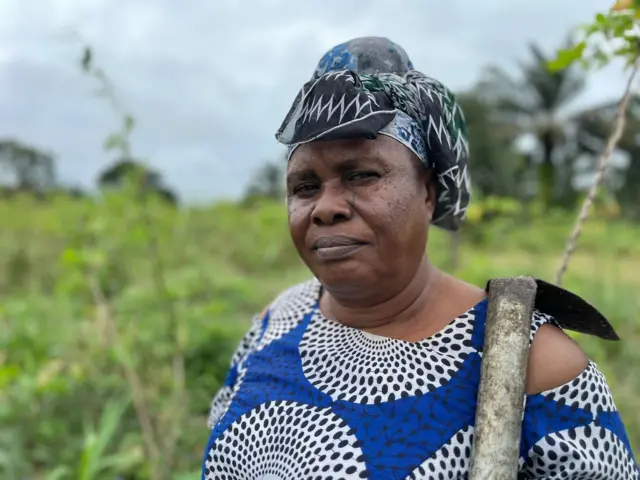
Ledisi Nomkia, a local farmer, point to one old cassava plants wey show di effects of oil spillage.
"Bifor oil spoil evritin, we bin get di best garri," she tok.
"Wen you plant cassava, you go harvest wetin to chop and sell. But now all dat wan don go, you go need a lot of fertilizers to get am to grow. We bin dey plant yam, cocoyam and watermelon but now we no fit," she tok.
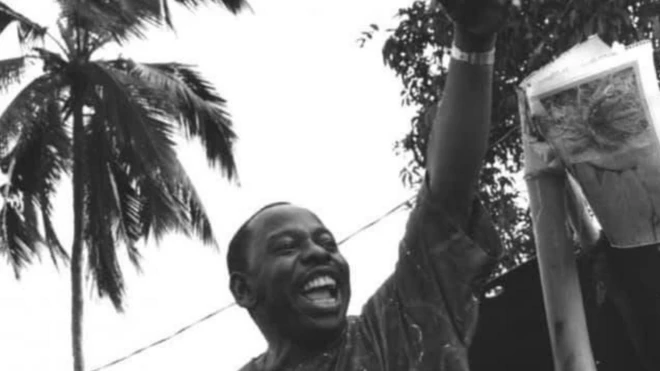
E don reach 30 years since a group of nine activists from di Movement for di Survival of di Ogoni People (MOSOP) bin dey executed for case wey make headlines around di world.
Di group wey writer Ken Saro-Wiwa lead, dey known for dia protests against pollution wey dem say na di Royal Dutch Shell Oil Corporation cause am, wey don dey collect oil from di region since di late 1950s.
Di activists say oil spills don spoil farm and coastal land and make di area uninhabitable.
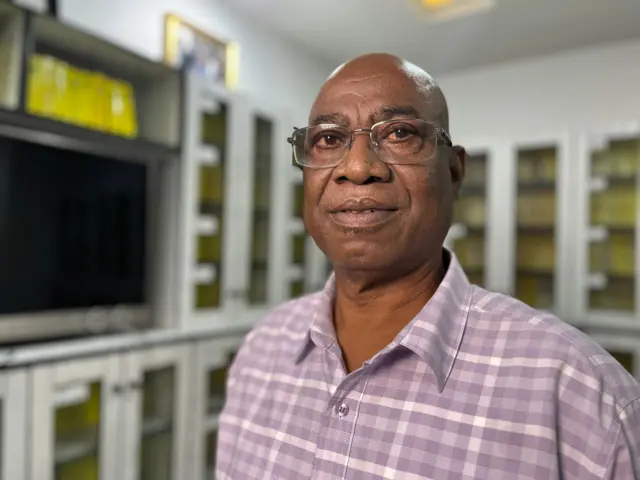
Ledum Mitee, a lawyer and Saro-Wiwa deputy in MOSOP, bin chop arrest and dem try am wit di Ogoni nine but e escape death as dem find am not guilty.
"We form MOSOP and raise awareness by peaceful means for justice and for environmental remediation," e tok.
"Wen dis kontinu under di military regime, a lot of activities happun, many pipo bin dey killed."
Di casualties include four Ogoni chiefs wey bin dey opposed to MOSOP campaign and wey bin dey brutally murdered in 1994.
Despite concerns by human rights groups over di judicial process, dem hang Ken Saro-Wiwa and eight oda MOSOP activists for di crime in November 1995.
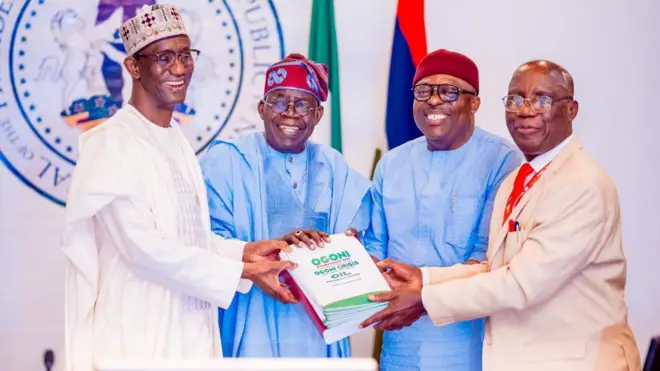
For October 2025, wen di 30-year anniversary of di executions happun, both di "Ogoni nine" activists and di "Ogoni four" chiefs bin get posthumous pardons by Nigeria president Bola Ahmed Tinubu.
Di move come as di federal govment dey consider to restart drilling, three decades after di killings bin throw di region into crisis.
Di Nigerian govment don publicly indicate say dem dey look into Ogoniland as dem dey target oil production of 1.8 million barrels per day by di end of 2025, and three million barrels per day by 2030.
But National Security Adviser Nuhu Ribadu say di main goal behind di pardons na reconciliation.
"One of di biggest challenges we face as a kontri na dat of di Ogoni wey lead to di crisis, di insecurity wey affect lives, environment and di pipo," e tok of di region.
"President Bola Ahmed come in and say time don reach for closure and to reconcile our pipo.
"We no dey do dat wan becos we want di exploration or exploitation to be di main tin, we do am for reconciliation, we do am to give back pipo dia lives," e tok.
'Blessing and a curse'
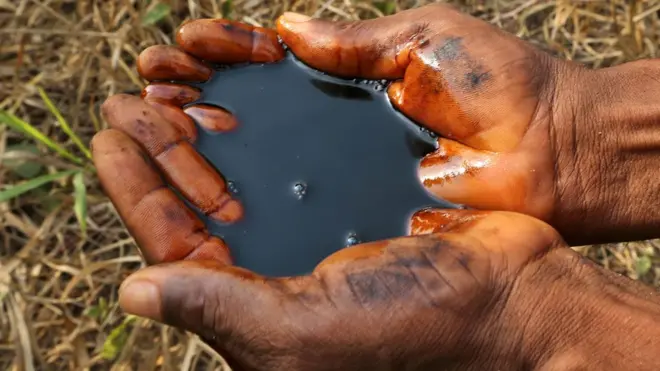
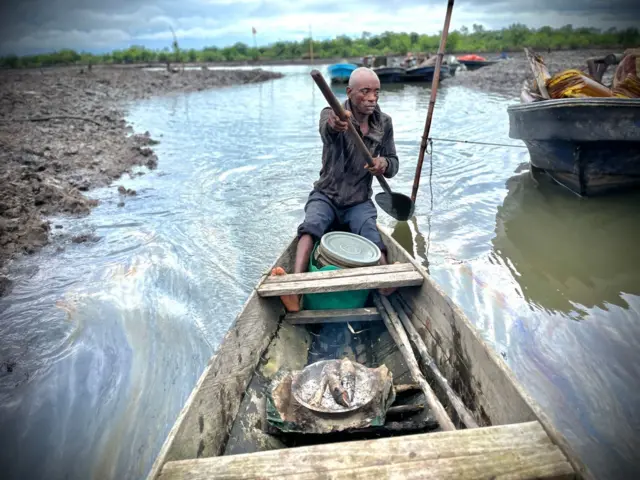
Soil wey oil don soak – signs of serious environmental pollution – remain sometin wey common across Ogoniland.
"Di oil for dis community na blessing God give to us but since dis problem happun, I no know if I go call am a blessing or a curse," na so farmer Ledisi Nomkia.
59-year-old fisherman, Birabi Nenage also tok di same tin. Im say oil on top di water wia im dey fish mean say e must paddle far out to catch fish.
"One oil spill destroy all di mangrove hia up to di Bonny river," e tok.
"Since dat time till now, we di fishermen dey suffer, fishes no dey hia again. We no fit pay our children fees, and we no fit buy food to chop. Di water now dey toxic, and I get wound all over my body."
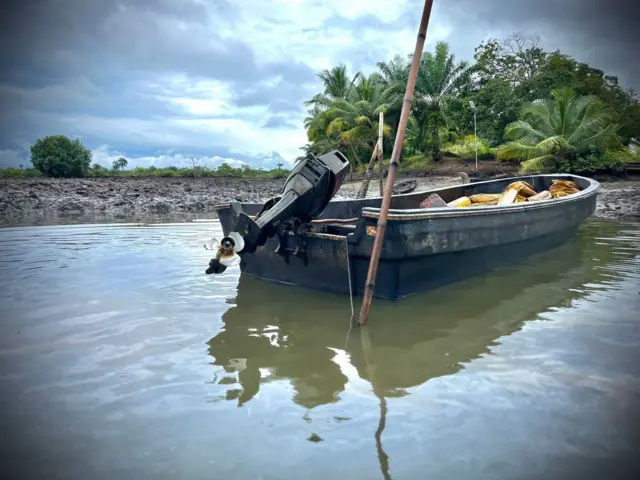
K-Dere no be di only community wey dey suffer from di destructive impact of oil spillage.
For 2008 a massive oil spill from Shell pipelines devastate neighbouring Bodo community.
For 2014, Shell settle wit di community in one of several lawsuits over oil spills and environmental damage for di Niger Delta.
However, di company don repeatedly deny wrongdoing, and dey maintain say environmental pollution dey caused by sabotage and "di wahala of oil theft and illegal mining" wey dem say dem no dey liable.
For 2021, one Dutch court order Shell to compensate farmers for spills wey contaminate large areas of farmland and fishing waters for di Niger Delta. Di company agree to pay more dan a hundred million dollars.
Today, fisherman Gbea Kpanbari say e still dey avoid di river becos of oil contamination.
"All di periwinkles, crabs and di mangroves don die and wen we travel to anoda local govment like Bonny to fish, e dey cause conflict," e tok.
'More tins gatz happun'
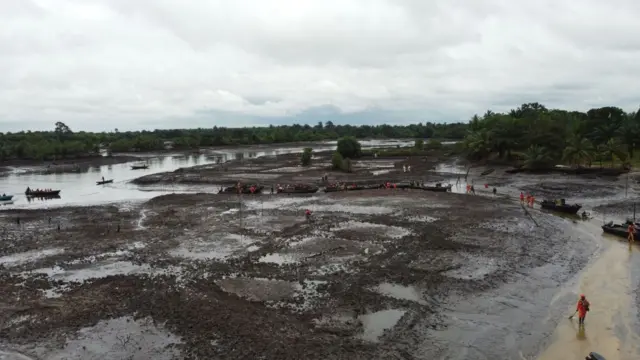
In 2011, a United Nations Environment Programme report conclude way di environmental restoration of Ogoniland dey possible but fit take from 25 to 30 years.
Based on dat report, in 2017 di Nigerian govment, under di administration of President Muhammadu Buhari, set in motion a $1 billion clean-up and restoration programme.
But almost a decade later, di effort to clean up di land dey criticised by residents and environmental activists say e dey slow and inadequate.
But National Security Adviser Nuhu Ribadu say na work in progress.
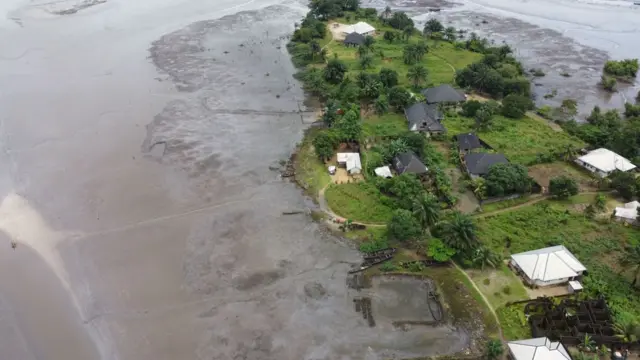
"Right now, e get 65 places wia remediation dey take place. Cleaning up, restoring di whole place back to how e suppose be. E get about 14 water projects... dis administration set up a specialist hospital wey directly dey relate to addressing some of di damages wey dey particular to health," e tok.
Ribadu also point to di establishment of a University of di Environment and to a project to restore mangroves.
"Now di whole world dey come to Ogoniland to see how e dey restored," e tok.
But Celestine Akpobari, wey for decades don dey campaign for di removal of pollution, believe say dem need to do more.
"Dia na ongoing struggle," e tok.
"Wen dem dey permit di oil companies to go in di name of divestment, dem no dey think about di pollution wey don damage di livelihood of di pipo."