Why some pipo dey addicted to gambling
Wia dis foto come from, AFP via Getty Images
Di death of Kelvin Danlami, 300-level student of di Ibrahim Babangida University, don make pipo chook mouth on di danger of gambling and why some pipo dey addicted to am.
Tori be say di Computer Science student bin kpai imsef on Monday 19 January afta gambling chop di house rent moni dem keep for im hand.
Di tok-tok pesin of di Niger State Police Command, Wasiu Abiodun, say investigation dey go ontop di mata.
"One of di student neighbours wey discova di situation raise alarm, and di victim bin dey rushed to Gen Hospital Lapai, wia dem confam am dead.
"Di police operatives wey dey attached to Lapai Div bin visit di scene, conduct a preliminary investigation and di family of di deceased bin dey contacted. However, further investigation dey go on to ascertain di reason for such action", e tok.
To take risks na part of human nature. Weda na gambling or oda activities, evri day we dey engage in activities wey offer both potential risk and potential reward.
We dey motivated to take dis risks by di release of dopamine. Dis feel-good chemical dey activate di same pleasurable reward pathways for our brains as eating our favourite food, or to dey do kerewa.
Risk-taking fit help to advance di human race wen e lead to entrepreneurship, innovation and enhanced creativity. But problems fit start wen increased desire to take risks dey cause harm.
Why some pipo get gambling problem?
Gambling, alongside di use of substances like drugs and alcohol and even activities like shopping, fit become addiction wen pipo dey do am witout control.
Dis addictions come from two separate reward pathways inside di brain wey dey affect our behaviour - liking and wanting.
Liking describe di spontaneous delight of eating chocolate biscuit. Wanting na our desire to get one wen we see packet of chocolate biscuits for supermarket.
To want somtin dey motivate us - e dey makes us desire tins and do dem repeatedly.
In essence, addiction fit simply dey viewed as rewiring of dis reward systems.
Wen pipo become addicted to gambling, or to drugs, dis wanting and liking systems no longer dey linked togeda. Di wanting remain constant, but di feeling of liking wetin we get dey reduced.
Di addicted pesin go need stay for dat behaviour or drug, to do am more and more so e go fit get di same pleasure.
Some factors dey wey dey make some pipo dey more at risk to becom addicts. Dem include if family members get addictions abi dem dey face stress or wahala wey relate to how dem train us.
Nature fit also be reason. One study wey dem do wit brain scans suggest say problem gamblers fit get lower impulse-control pass general population.
Gambling 24/7
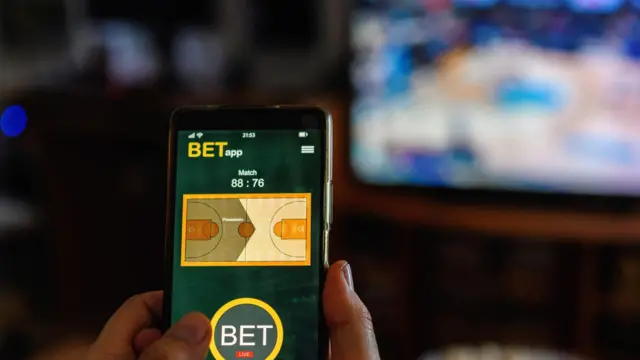
Di focus now don dey shift to online and mobile gambling, wey dey allow pipo to gamble for up to 24 hours a day. Dem even get possibilities to set up automatic bets.
E get plenti promotion of gambling for apps and betting websites wey include sponsorship deals wit popular sport players and teams wey dey supported by millions of pipo.
Mobile gambling mean say pipo fit lose plenti moni easily. Risk also dey say pikin fit carry stolen details to take gamble online. DIs na as one study suggest say two-fifths of 11-16 year fit don gamble in di past year.
Claims also dey of how gambling industry dey use online data profiling to target poorer pipo, wey fit spend a higher proportion of dia income on gambling.
About dis tori
Dis analysis tori bin dey commissioned by di BBC from sabi pipo wey dey work for outside organisation.
Dr Ricardo Twumasi na lecturer for Organisational Psychiatry & Psychology for King's College London.