Shell ignore warnings of di 'wayo' about di clean-up - whistleblower tell BBC
Wia dis foto come from, Getty Images
- Author, Simi Jolaoso
- Role, BBC News, Ogoni
- Published
- Read am in 8 mins
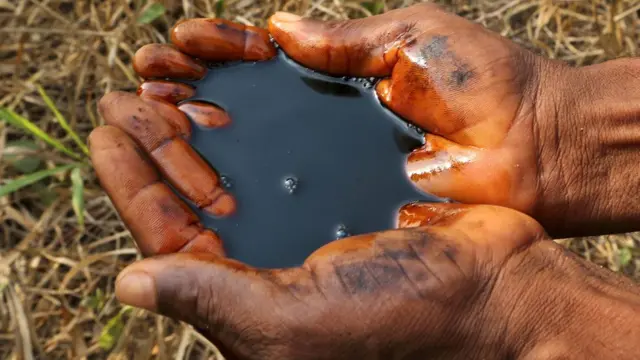
A BBC investigation don uncover allegations say energy giant Shell don ignore repeated warnings say a controversial clean-up operation of oil-polluted areas of southern Nigeria get problems and corruption.
Di multinational wey get headquarters for London, along wit di Nigerian goment, don constantly tok say work to clean up oil-polluted sites of Ogoni, wey kick-off around eight years ago, dey go on well.
But di BBC don discover evidence say dem bin don get continuos warnings over several years say di scheme, wey goment set up and funded by various oil firms to di tune of $1bn (£805m), don dey suffer from different issues.
One close observer describe di clean-up project as a "con" and a "scam" wey don waste money and leave di pipo of Ogoni for di Niger Delta region to dey live wit di serious impact of oil pollution - 13 years afta a ground-breaking UN report lift di cover on di seriousness of dia situation.
Shell tell di BBC: "Di operating environment for di Niger Delta still dey challenging becos of di level of illegal activities such as oil theft.
"Wen spills happun from our facilities we dey clean up and remediate, regardless of di cause. If na operational spill, we also dey compensate pipo and communities."
Di allegations come as a civil trial dey expected to begin on Thursday for di High Court in London, wia lawyers wey dey represent two Ogoni communities of around 50,000 inhabitants go say Shell must take responsibility for oil pollution wey occur between 1989 and 2020, allegedly from dia infrastructure.
Di communities say di spills don leave dem without clean water, unable to farm and fish, and create serious risks to public health.
Shell, wey don dey push to sell dia assets for di West African kontri to focus on offshore drilling and onshore gas, don indicate say dem go defend di claims.
Dem deny any wrongdoing and say spills for di region dey caused by sabotage, theft and illegal refining wey di company say dem no dey liable.
Di BBC don visit di affected areas for di Niger Delta, wia Shell, di largest private oil and gas company for di kontri, discover di existence of crude oil 68 years ago.
Di UN say at least 13 million barrels - or 1.5 million tonnes - of crude oil don dey spilled since 1958 in at least 7,000 incidents for di Niger Delta region.
Di spills don leave many families worried for dia health and livelihoods.
Most of the children - from the drinking water - have got diseases. Many have died. I've lost eight kids. My husband is sick"
Grace Audi, 37, dey live wit her partner and two-year-old for Ogale, wia dem don get at least 40 oil spills from Shell infrastructure, according to Leigh Day, di UK-law firm wey dey represent di communities for dis case.
Her family and neighbours only get access to a contaminated borehole, forcing dem to buy clean water to use for drinking, cooking, washing and, once a day, flushing, at a cost of 4,500 Nigerian naira ($3, £2.40) - for area wia di average daily wage dey less dan $8.
Dis na familiar story to many in Ogoni.
Paulina Agbekpekpe tell di BBC say lush greenery wey bin once surround di mangroves of her community for Bodo - wey no be one of dos wey dey go court on Thursday. She say di rivers and ponds wey dem dey use dey full wit different kain animals and fish, particularly periwinkle.
"Di place bin dey greener, not only mangroves, but all by di shoreline - e bin get pawpaw trees, palm trees and more. But during di spills, di destruction don pollute evriwia," di 50-year-old mother of six tok.
Her family for generations don survive on fishing, until a devastating spill 10 years ago.
"Most of di children - from di drinking water - don get diseases. Many don die. Me I don lose eight kids. My husband dey sick.
"Becos dem don take away our livelihoods, pipo for Bodo dey hungry and dem dey suffer."
In 2011, di UN Environment Programme (UNEP) bin publish a major study into di impact of pollution on di oil-rich area.
Dem find out say members of one community for Ogoniland dey drink water wey dey polluted wit a known carcinogen at levels more dan 900 times above di World Health Organization (WHO) guideline. Di same chemical, benzene, dey detected in all dia air samples.
Dem also find out say sites wey Shell Nigerian subsidiary, di Shell Petroleum Development Company of Nigeria (SPDC), claim say dem don remediate, still dey polluted and di techniques dem use bin no reach regulatory requirements.
Di report conclude say a comprehensive clean-up of di area go take 25-30 years - and e lead to di formation of di Hydrocarbon Pollution Remediation Project (Hyprep).
Dis bin initially dey established by di Nigerian goment in 2012, but no clean-up start - until e come dey relaunched by a new goment in December 2016.
Hyprep dey part-funded by oil companies including di state-owned Nigerian National Petroleum Company (NNPC) and Shell, wey give $350m.
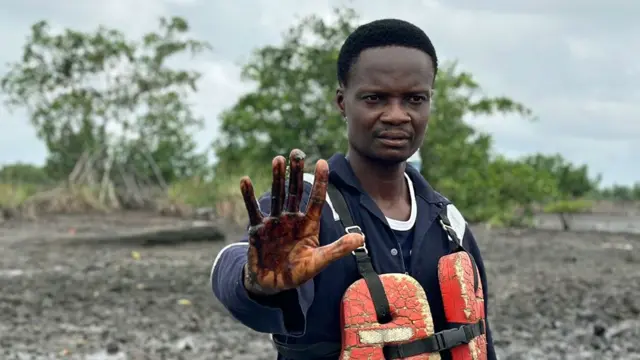
However, di BBC don see internal documents wey suggest say Nigerian goment bin warn representatives of Shell plenty times of di agency alleged fraudulent practices.
One pesin wey dey aware of di project tok to di BBC about dia concerns - and ask to remain anonymous out of a fear of reprisals.
"Na common knowledge say really wetin we dey do na scam. Most of am na to fool di Ogoni pipo," di whistleblower tok.
"Na wayo wey dem play so dat more money go enta into di pot and end up in di pockets of politicians and oda pipo in power."
Di allegations about failings for Hyprep include:
- Contracts dey awarded to companies wey no get relevant experience
- Laboratory results dey falsified - sometimes labelling contaminated soil and water as clean
- Project costs dey inflated
- External auditors on occasion dey blocked from checking di clean-up on sites wey dem don do properly.
In di minutes of one meeting for 2023, wey representatives from Shell Nigerian subsidiary, di UNEP and Hyprep attend, dem point out say "incompetent" contractors "dey engaged again" and say make dem “ no dey allowed to further degrade di environment".
In a separate leaked report wey di BBC see from di same year, dem point out say laboratory results bin dey "regularly reported wit deviations".
In 2022, di UN write to Nigeria environment ministry, wit warning say if nothing change, di "extremely poor standards" of di clean-up go kontinu.
Di BBC has ask HYPREP and di Nigerian goment to comment on di allegations but neva get any response.
But our investigation don reveal evidence say Shell dey aware of di problems.
In a meeting wit di British high commissioner to Nigeria in January last year, minutes wey we obtain under di Freedom of Information Act, Shell representatives acknowledge di "institutional challenges" of di clean-up agency and di chance of di refusal of "future funding" toward am.
Shell tell di BBC: "Hyprep na agency wey dey established and overseen by di federal goment of Nigeria, wit dia governing council largely include senior ministers and goment officials, along wit five representatives of communities and NGOs and a single Shell representative."
Wia dis foto come from, AFP
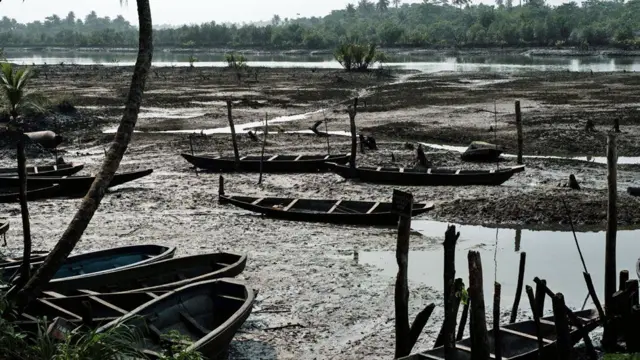
Dis no be di only remediation project for Ogoniland wey allegedly no dey work.
In 2015, Shell agree to a £55m settlement for a clean-up afta two catastrophic spills in 2008 from dia infrastructure in di Bodo area.
Di company say di clean-up, wey di Bodo Mediation Initiative (BMI) do, wey suppose to serve as a mediator between oil companies, including Shell, and di Bodo community (and dey part-funded by di oil giant and Nigerian regulators) bin dey certified as 98% complete.
However, di BBC visit sites within di area and find say crude oil still dey smell from di soil and dey float ontop water.
Shell and di BMI insist say any occurrences of oil spills for di region na becos of theft - dem sabi in di industry as "oil bunkering".
"Plans dey to call back di contractors to clean those areas to specification, to standard," Boniface Dumpe, a director for di BMI, tell di BBC.
"Na di responsibility of all stakeholders, Shell, yes, to take care of dia facilities, to ensure say re-oiling no go come from dia facilities.
"But for di areas wey dey cleaned. I go think say some responsibility also dey for di community to ensure say some illegal activities no go also cause re-pollution."
Shell say dem don take active measures to prevent oil spills wey oil bunkering cause.
Di company say: "We don take advanced steps to prevent dis activity and di spills e dey cause including aerial surveillance, removing illegal connections on pipelines, and by building steel cages to protect wellheads."
Di alleged failings in di oil clean-up come as Shell dey prepare to sell dia Nigerian subsidiary, di SPDC, to Renaissance Africa, a consortium of local and international companies.
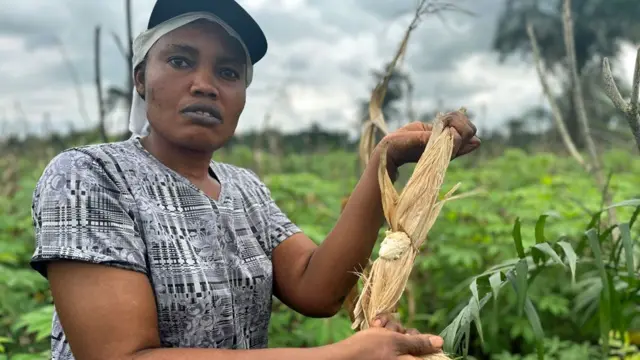
Some locals in Ogoniland don accuse di oil giant of "running away" from properly cleaning up di land and water wey dem allegedly don pollute.
Dem also fear say Shell fit still gain from di area by simply trading di oil extracted from di region in future.
"Di operations of whichever oil operator go take over di relevant pipelines go get ogbonge impact on dia day-to-day life," Joe Snape, a lawyer at Leigh Day, tell di BBC.
“Dem get incredibly little detail about wetin diz deals go lead to.
"E dey unclear how Renaissance [Africa] go act going forward. At least wit Shell we get means of holding dem to account."
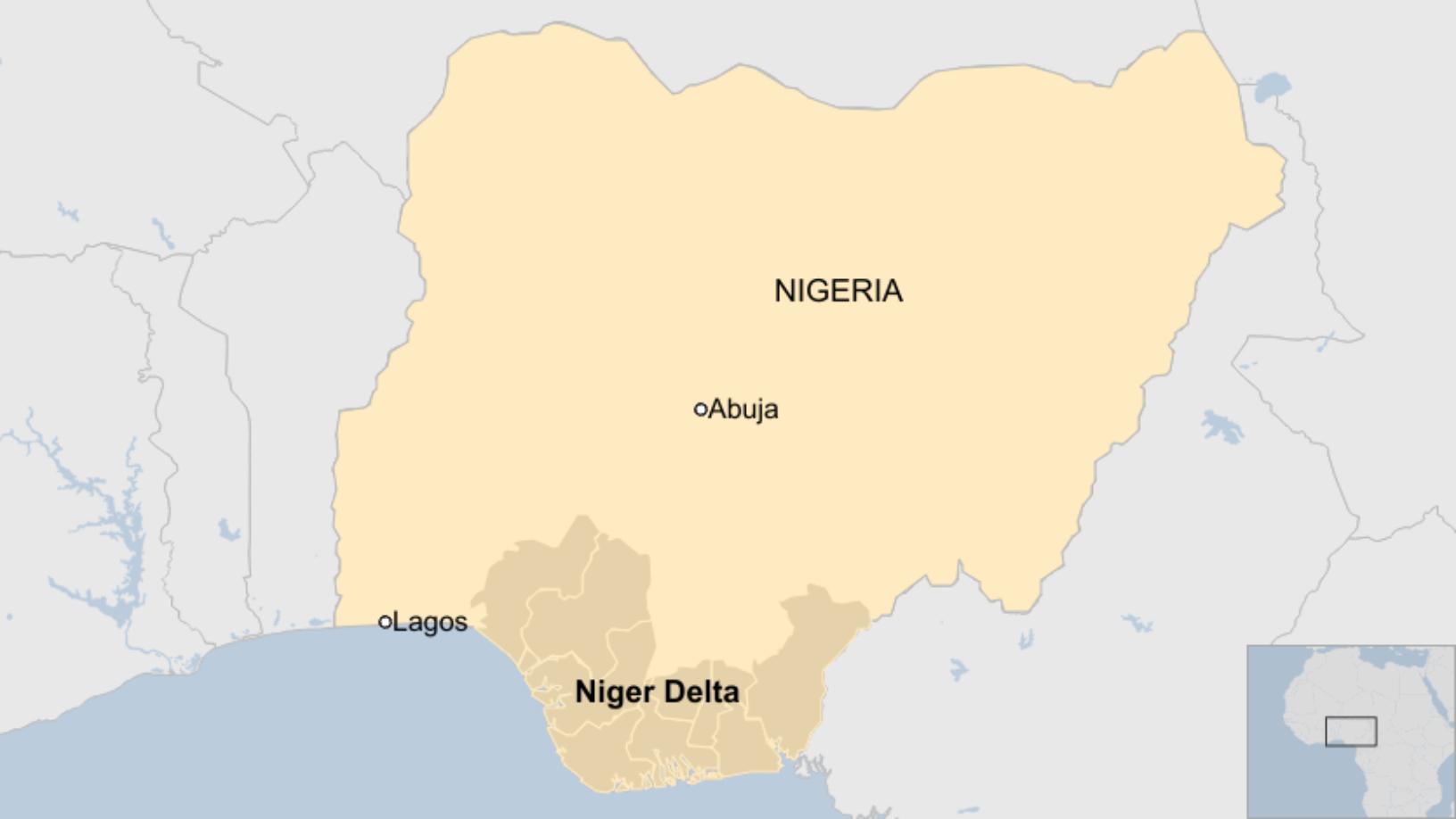
Mineral products, like petroleum oil and gas, account for 90% of exports from Nigeria, most of which dey come from di Niger Delta region.
Locals, wey dia main source of livelihood na agriculture and fishing, tell di BBC say since di discovery of oil, or wetin some refer to as "black gold", dia home don dey pumped for profit - by major oil companies, by oil thieves and by corrupt politicians.
Dem say dem neva see any benefit, only suffering - like Patience Ogboe wey blame recent oil spills for her failing crops.
"Formerly if I harvest I fit eat some wit my family and even sell some… but for di past few years I no fit get anyin E really dey bad," di 42-year-old tell di BBC.
You may also be interested in:

Wia dis foto come from, Getty Images/BBC
Go to BBCAfrica.com for more news from the African continent.
Follow us on Twitter @BBCAfrica, on Facebook at BBC Africa or on Instagram at bbcafrica