Wetin be di three new taxes Ghana Parliament pass and how e go affect citizens
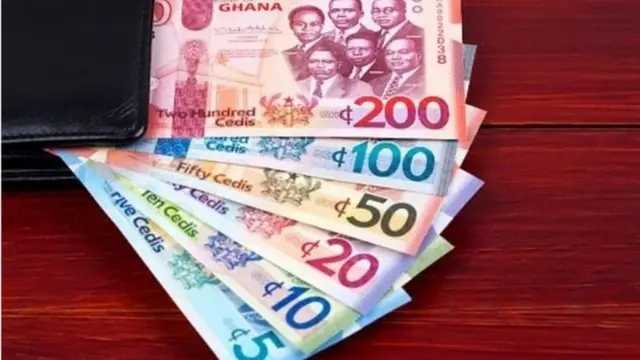
Wia dis foto come from, Getty Images
Parliament of Ghana pass three new taxes by majority decision late Friday.
De lawmakers vote 136 - 137 majority decision to approve Income Tax Amendment Bill, Excise Duty Amendment Bill and Growth and Sustainability Amendment Bill into law.
According to Ghana govment, dis three new taxes go help generate some Ghc4 billion domestic revenue.
Business community push back against de passing of de new revenue bills but Finance Minister, Ken Ofori-Atta argue say passage of de Bills be key to de release of de long awaited IMF loan.
Ghana government currently dey search Board Approval for $3 billion International Monetary Fund (IMF) Programme staff-level agreement.
Opposition to passing of new bills
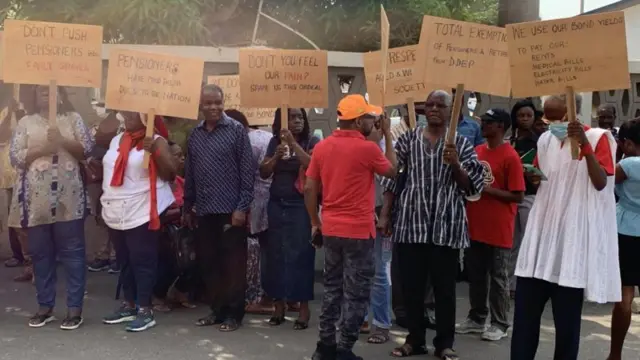
Ghana Union of Traders Association (GUTA) reject de move to introduce new taxes.
Dr Joseph Obeng, GUTA President send message to parliament to hold on wit dis tax.
“We dey send clear message that unless they [Parliament] represent themselves and that dem no dey represent de good people of Ghana, especially de business community, then dem for go ahead with dis,” Joseph Obeng talk.



End of Di one wey oda users dey read well well
Apart from de business community, players in upstream oil and gas sector also complain about de new taxes and how Ghana govment fail to engage dem on plans to introduce new taxes.
Despite dis opposition, de outcome of de voting decision for parliament introduce de three new taxes into law.
Di three new taxes govment introduce
So what be de three new tax amendments govment dey introduce and what dem dey affect?
1. Growth and Sustainability bill
De Growth and Sustainability bill dey affect profit before tax of companies, institutions den production for mining companies den common wey dey operate in de upstream oil and gas sector.
Govment believe say de estimated revenue for 2023 is from dis go be about Ghc2.26 billion.
However de levy be subject to review by Finance Minister in 2025.
2. Excise Duty Amendment Bill
De Excise Duty Amendment Bill dey try revive de Excise Duty Act, 2014 (Act 878) on de importation of cigarettes den other tobacco products to in line wit de Economic Community of West African States (ECOWAS) Protocols while raising revenue to mitigate some of de harmful effects of tobacco products.
Also, dis revised bill go increase de excise duty on products like wine, malt drinks and spirits.
Also, e go affect sweetened beverages, electronics, cigarettes den others.
3. Income tax amendment bill
De Income Tax Amendment bill dey try amend de Income Tax Act, 2015 (Act 896).
What govment dey do be say dem wan revise de rate of income tax for individuals and introduce an additional income tax bracket - which be withholding tax rate on de realisation of assets and liabilities and on winnings from lottery.
Dis tax also go increase de optional rate for individuals on de gains dem make from from investment asset, revise de upper limits for quantification of motor vehicle benefits and increase de concessional income tax rates.
Wia dis foto come from, GPHA/Facebook
Wetin dis International Monetary Fund loan mean for Ghana economy
IMF staff and Ghanaian authorities reach staff-level agreement on economic policies and reforms of $3 billion for three-year Extended Credit Facility (ECF) around December 2022.
According to de IMF, dia support to Ghana dey target restoring macroeconomic stability and debt sustainability while protecting de vulnerable, preserving financial stability den laying de foundation for strong recovery.
Stéphane Roudet, Mission Chief for Ghana talk say de monies for de bailout go hit Ghana as soon as dem get Executive level agreement.
“De staff-level agreement dey subject to IMF Management and Executive Board approval den receipt of de necessary financing assurances by Ghana’s partners and creditors,” Stéphane Roudet add.
IMF PROPOSE REFORMS FOR GHANA
As part of de n programme, IMF propose some reforms for Ghana govment.
- Ensure sustainability of public finances while protecting the vulnerable.
- Introduction of Structural reforms to support fiscal strategy den ensure durable consolidation.
- Reduce inflation, enhance resilience to external shocks den improve market confidence also be key to de program priorities.
- Finally, Bank of Ghana for strengthen dia monetary policy framework den promote exchange rate flexibility to rebuild external buffers.