Trump wan sama movies wey dem make outside US 100% tariffs

- Author, Peter Hoskins
- Role, Business reporter
- Author, Maia Davies
- Role, BBC News
- Published
- Read am in 6 mins
US President Donald Trump say im go hit movies wey dem make for foreign kontris wit 100% tariffs,as e dey round up trade disputes wit nations around di world.
Trump say e dey authorise di US Department of Commerce and Trade Representative to start di process to impose di levy becos America movie industry dey die "a very fast death".
E blame a "concerted effort" by oda kontris wey dey offer incentives to attract filmmakers and studios and e describe am as a "National Security threat".
E say dis fit spell a "knock-out blow" to di industry, one union warn, say filmmakers for years dey comot Hollywood for destinations like di UK and Canada to search for lower costs.
Trump tok for im Truth Social platform: "E dey in addition to evritin else, messaging and propaganda!"
"WE WANT MOVIES WEY DEM MAKE FOR AMERICA, AGAIN!"
US Commerce Secretary Howard Lutnick respond to di announcement, e say "We on am".
But di details of di move dey unclear. Trump statement no say weda di tariff go apply to American production companies wey dey produce films abroad.
Several recent major movies produced by US studios dey shot outside America, including Deadpool & Wolverine, Wicked and Gladiator II.
E dey also unclear if di tariffs go apply to films on streaming services, like Netflix, as well as dose wey dey show for cinemas, or how dem go calculate am.
Di founder of European cinema chain Vue, Timothy Richards, question how Trump go define a US film.
Speaking to BBC Radio 4 Today programme, e say: "Na wia di money come from? Di script, di director, di talent, wia dem shoot am?"
Mr Richards say di cost of shooting for southern California don grow significantly ova di last few decades, wey make filmmakers to move production to locations like di UK, wey don offer tax incentives and lower costs.
"But no be just di actual financing," e add.
"One of di reasons UK don do so well na say we get some of di most highly experienced and skilled film and production crew for di world.
"Di devil go dey in di details."
Meanwhile, UK media union Bectu warn say di tariffs fit "deal a knock-out blow" to di industry and dia tens of thousands of freelancers, as e recova from di pandemic and a "recent slowdown".
Union chief Philippa Childs tell di BBC: "Di govment need to move swiftly to defend dis vital sector, and support di freelancers wey power am, as a matter of essential national economic interest."
A UK government tok tok pesin say e dey "absolutely committed" to ensure di film sector kontinue to thrive and create jobs and go set out plans to do so for dia upcoming Creative Industries Sector Plan.
Dem add: "Tok on an economic deal between di US and di UK dey ongoing - but we no go to provide a running commentary on di details of live discussions or set any timelines becos e no dey di national interest.
"We go kontinue to take a calm and steady approach to tok and aim to find a resolution to help ease di pressure on UK businesses and consumers."
Industry body di British Film Institute say, e dey work closely wit di govment and industry partners for di UK and di US "while we understand di detail of di proposal".
One tok tok pesin add: "We wan keep collaboration for di heart of our sectors, so we remain a constructive partner to our friends for di US and internationally."
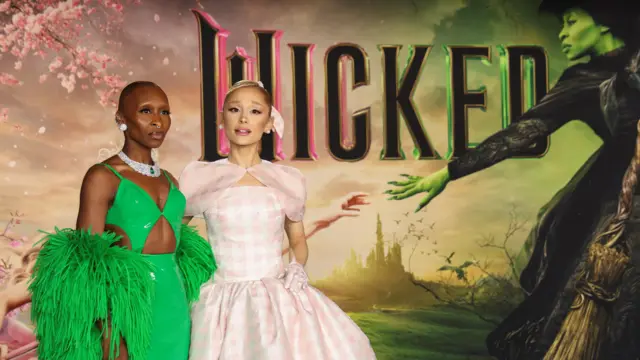
Wia dis foto come from, Reuters
Di US remain a major film production hub globally despite challenges, according to movie industry research firm ProdPro.
A most recent annual report show say di kontri see $14.54bn (£10.94bn) of production spending last year. Although dat go down by 26% since 2022.
And NPR Radio film critic Eric Deggans warn say di tariffs, if dem introduce am, fit further harm di industry.
Oda countries fit respond by placing tariffs on American films, e tell BBC, wey go make am "harder for dis films to make profits overseas".
"E fit create a situation wia di tariffs in America dey cause more harm dan good," e add.
Di Motion Picture Association, wey represent di five major US film studios, no immediately respond to BBC requests for comment.
Kontris wey don attract an increase in spending since 2022 include Australia, New Zealand, Canada and the UK, according to ProdPro.
Following Trump remarks, Australia home affairs minister Tony Burke say: "Nobodi suppose dey under any doubt say we go stand up for di rights of di Australian screen industry."
Industry body Screen Producers Australia say while e get "many unknowns" about di plan, e get "no doubt e go send shock waves worldwide".
New Zealand's Prime Minister Christopher Luxon also say im govment dey await further details of di proposed tariffs.
"But we go obviously be a great advocate, great champion of dat sector and dat industry," e tell a news conference.
Ahead of im inauguration, Trump appoint three film stars - Jon Voight, Mel Gibson and Sylvester Stallone - to be special ambassadors to promote business opportunities for Hollywood, wey im describe as a "great but veri troubled place".
Trump write dat time: "Dem go serve as Special Envoys to me for di purpose of bringing Hollywood, wey don lose much business ova di last four years to Foreign Countries, back- bigger, better, and stronger dan eva bifro!"
Since e return to di White House for January, Trump don impose tariffs on kontris around di world.
E argue say tariffs wey be taxes charged on goods wey dem buy from oda kontris go boost US manufacturers and protect jobs.
But di global economy don dey face wahala as a result, and prices od goods around di world dey expected to rise.
Even bifor dis most recent announcement, di US movie industry dey impacted by di fallout from Trump trade policies.
For April, China say dem dey reduce dia quota of American films wey dey allowed into di kontri.
Di wrong action of di US govment to abuse tariffs on China go further reduce di domestic audience favourability towards American films," di China Film Administration say.
"We go follow di market rules, respect di audience choice, and moderately reduce di number of American films wey dey imported."