Chris and Xand van Tulleken: 'There's a reason we crave certain foods'
Listen to Radio 4's What’s Up Docs? With Doctors Chris and Xand van Tulleken on BBC Sounds now
Trigger warning: This article may be triggering to people with disordered eating
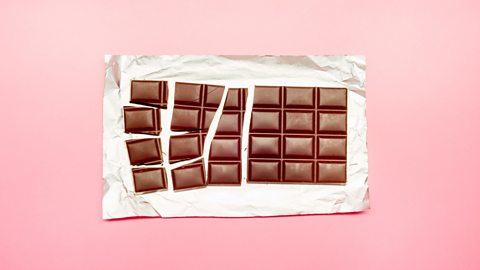
Whether it’s chocolate, crisps or fizzy drinks, there are some foods people eat on repeat – even when they don’t want to. These foods trigger powerful cravings that can feel like an addiction.
But can some foods really be addictive?
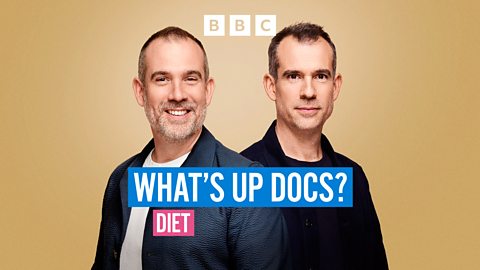
This is exactly what Drs Chris and Xand van Tulleken investigate in the latest episode of their podcast What’s Up Docs?, alongside University of Michigan’s Prof Ashley Gearhardt.
One of the world’s leading experts on the subject, Ashley is the person responsible for the Yale Food Addiction Scale, a widely used tool to assess signs of addiction-like eating behaviour.
On the podcast Ashley explains that a lot of ultra-processed foods are made to induce cravings. She begins: “Historically we’ve eaten to survive but it’s not just that, food is supposed to also be about pleasure, social engagement and celebration.”
However, she says, that we're being sold a 'fake' narrative by the food industry, being told the food products we're buying are helping us to stay healthy and great for celebrating. But, she adds: “It’s not really providing real, satisfying, experiences, it’s just seeding more craving and more desire.”
Is food addictive?
“Food addiction isn’t a recognised disorder by the World Health Organisation or in the manual of psychiatric illness,” says Chris.
“But many clinicians report they have patients who experience symptoms of food addiction.”
Some researchers argue that ‘food addiction’ should be formally recognised as a psychiatric condition.
Chris explains common symptoms are when people “continue to eat [certain] foods despite trying to stop.” And, in doing so, it “does them physical, social or psychological harm.”
So why isn’t this issue recognised as an addiction?
The problem is that the treatment for all other addictions is “complete abstinence,” says Xand. “You can give up gambling, you can give up cigarettes, you can give up alcohol – you can’t give up food.”
Like many of us, both Chris and Xand have, in the past, found some foods hard to resist. They previously craved savoury and salty snacks.
“My kryptonite foods were fried chicken wings and meal deals at lunch – a big baguette with a pack of crunchy popcorn,” explains Chris.
“Ice cream could sit untouched in the freezer for weeks,” adds Xand. “There could be chocolate in the drawer that I could ignore. But, when it came to spicy processed foods or certain types of takeaways, I could eat it until I felt unwell.”
What's Up Docs? | Listen to the podcast on BBC Sounds now. podcast
Chris and Xand look at tactics for sustaining a healthy diet
The foods we’re most likely to crave
Ashley’s Yale Food Addiction Scale was created in 2009 – and has been the go-to diagnostic tool for experts ever since.
It consistently shows the most problematic foods have one thing in common.
“We see it's really these ultra processed foods, foods that are industrially created, [that] you couldn't really make it in your home kitchen," explains Ashley.
Talking about how hard it is to resist them, Ashley adds; “Of course, we have a role to play in our own health. We have agency, we can develop strategies and habits and approaches. That works pretty well when what I'm dealing with are some apples and a salad.
“But when I'm dealing with a product that has had millions of dollars gone into the research and development to make it as incredibly irresistible, for it to hit my brain and my body as rapidly as possible, for the flavour volatiles to burst, but then fade – so I need to come back for more, without knowing what you're up against, it's really hard to be successful.”
Chris adds, the foods are “engineered to be hyper-palatable.”
Calorie dense UPFs which are very high in fat and sugar can be problematic, say the experts. The reason being, they immediately trigger reward signals in your brain – making you want more and more.
Plus, Chris points out that a lot of these foods – from pizza to ice cream – have a similarly soft texture. That’s no coincidence.
They don’t need much chewing, so you’re probably eating very quickly – too quickly for your brain to keep up. It doesn’t have a chance to process what you’ve eaten and tell you when you’re full.
“There is really robust research that shows the speed of delivery of the fat and sugar is what creates that wanting later on,” says Chris.
Can you combat a craving?
What helped Chris, Xand and Ashley manage their cravings for their ‘kryptonite foods’ was to understand the science and the role of the manufacturers. They felt the marketing of these UPF products was misleading – which left a bitter taste.
Ashley says on the podcast, “Something kind of magical about doing this research is that now I look at food that used to feel tempting, and I feel grossed out by it.”
Another tactic might be to identify a specific ultra-processed food with high fat, sugar and salt that you find triggers addiction-like responses, and avoid it entirely.
While ‘everything in moderation’ is a good motto for many, Chris says, “Having a moderate relationship with the substance or behaviour that’s addictive is impossible for some people. That’s pretty much the definition of addiction.”
If you do decide to try and cut out a food that you find harmful, don’t feel bad if you occasionally lapse, say Chris and Xand.
“I’m a doctor,” says Xand. “I broadcast about this. My brother is an absolute expert in it. My wife works in the area. And I still find it really, really difficult.”
He explains that when he’s at home there are fewer opportunities to lapse. But frequent work trips with no access to cooking facilities means temptation is always around the corner.
“While I have very little UPFs now, I do have lapses. It’s constant recovery.”
Please note: Information is not intended as a substitute for proper medical diagnosis or dietary advice provided by your GP/dietitian. Please always seek advice from a dietitian/doctor for tailored dietary advice and support.
If you are concerned about disordered eating, help and support is available..
Want more? Visit BBC Food on Instagram, Facebook and Pinterest or watch the latest Food TV programmes on BBC iPlayer.